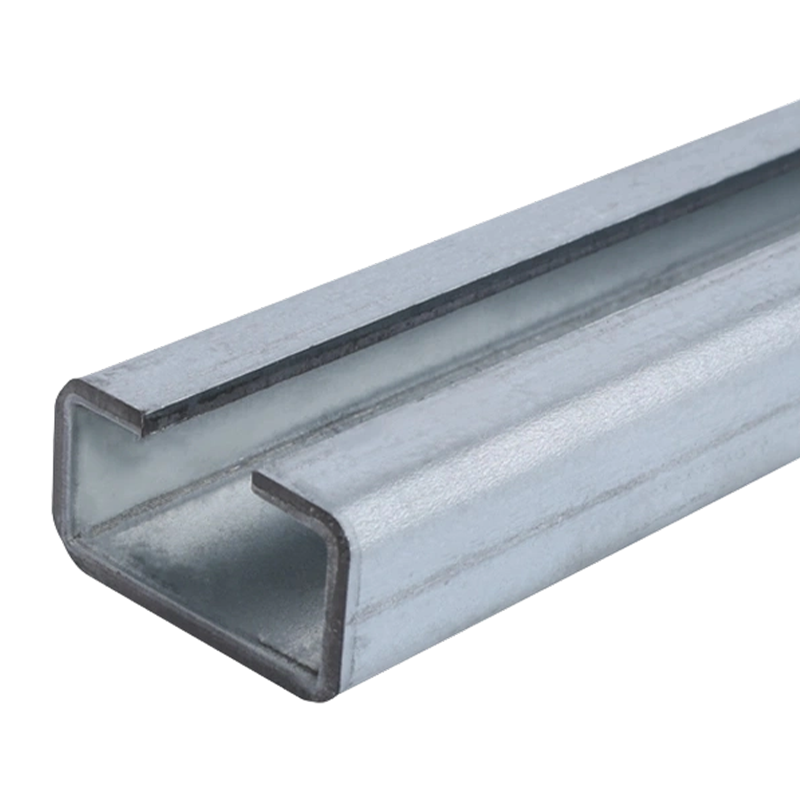
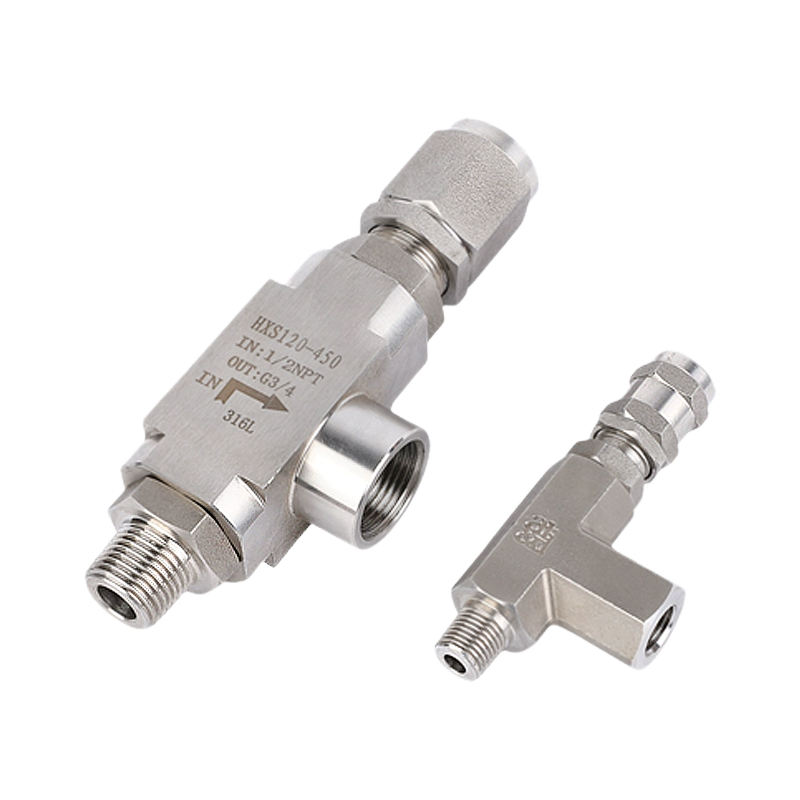
Metal pipe clamps are fundamental mechanical fasteners designed to anchor, guide, support, cushion, and seal pipes, tubes, and hoses across industrial, commercial, automotive, and residential systems. Although often treated as commodity hardware, proper clamp selection directly affects vibration damping, thermal expansion management, leak prevention, and lifecycle safety under standards such as DIN 3015, MSS SP-58/SP-69, and ASME.
Core Categories of Metal Pipe Clamps & Use Cases
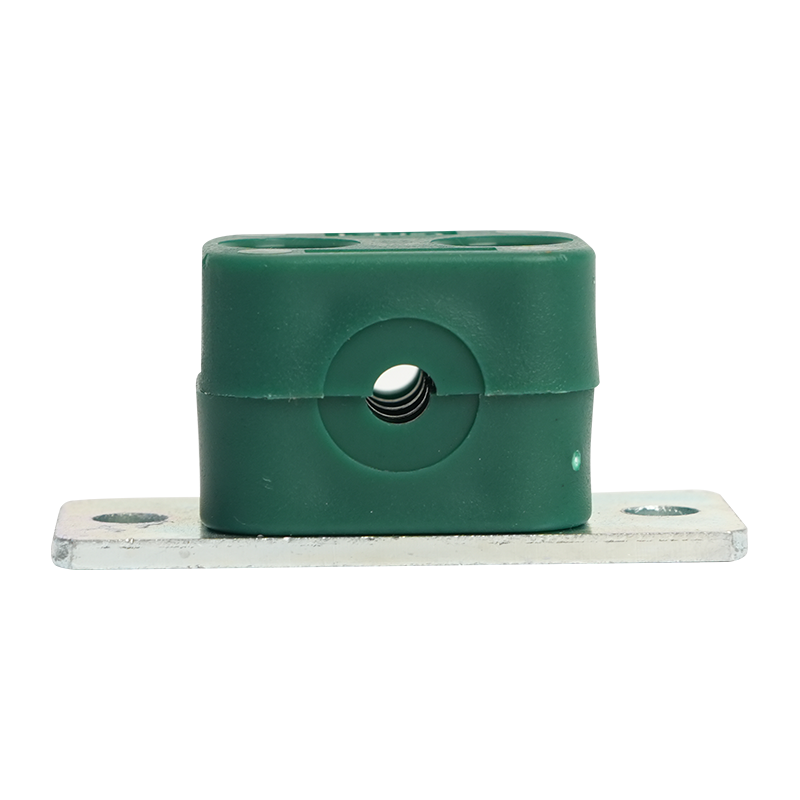
1. Standard & Heavy-Duty Hydraulic/Structural Clamps (DIN 3015 Series)
-
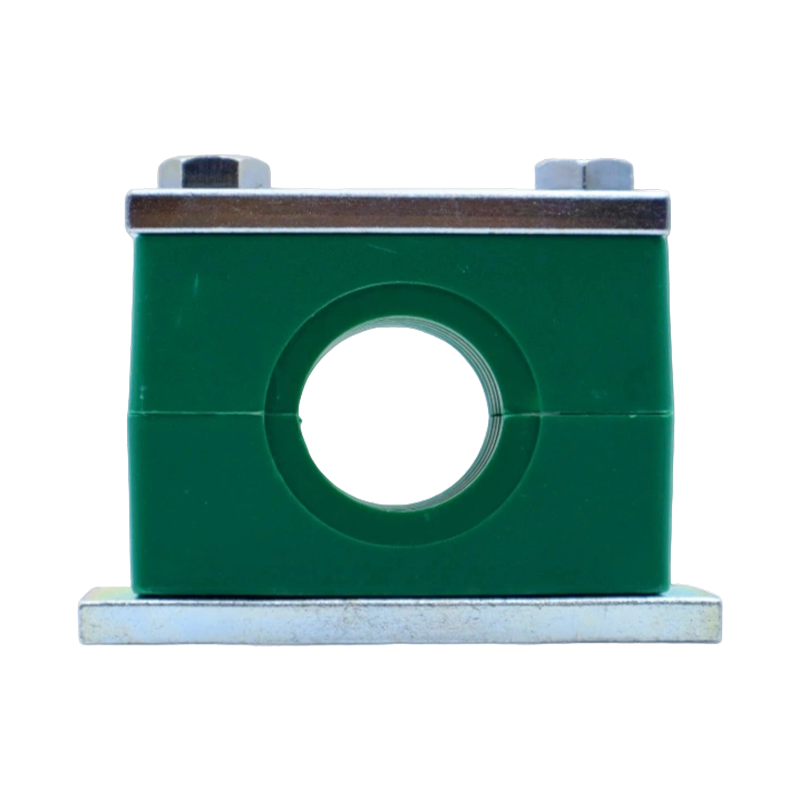
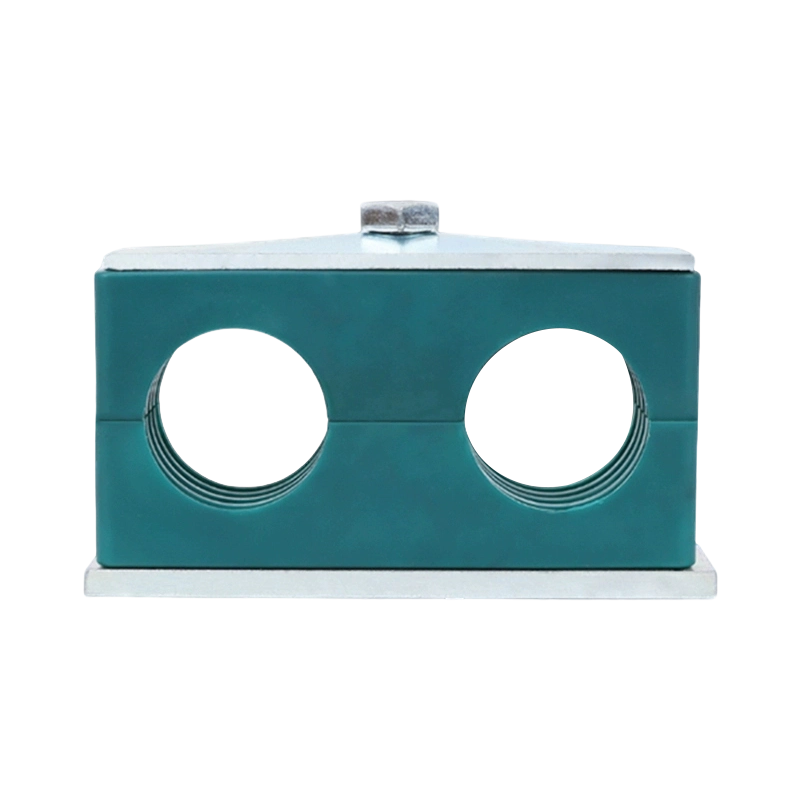
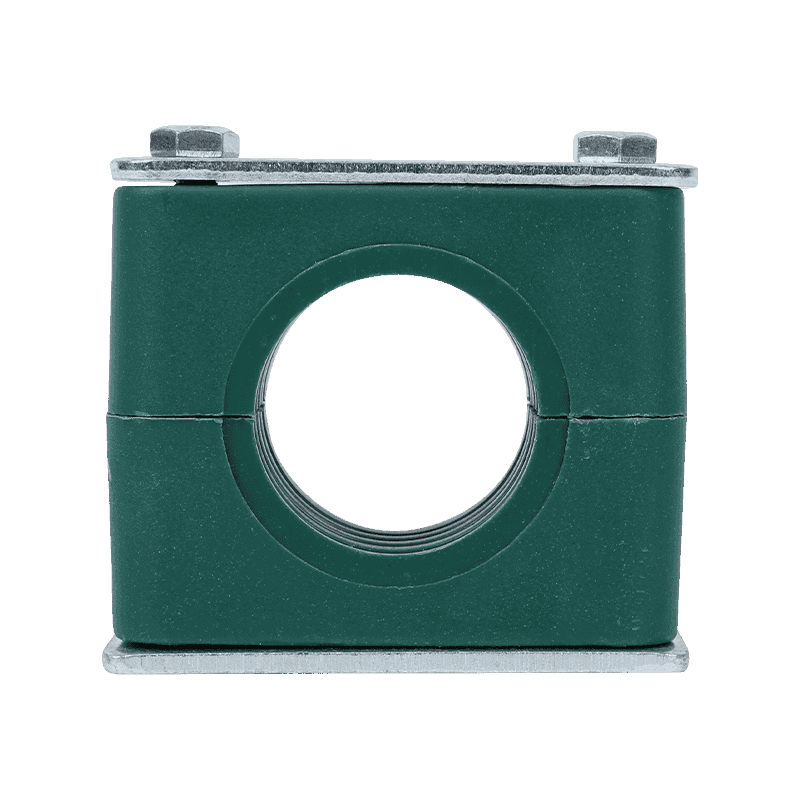
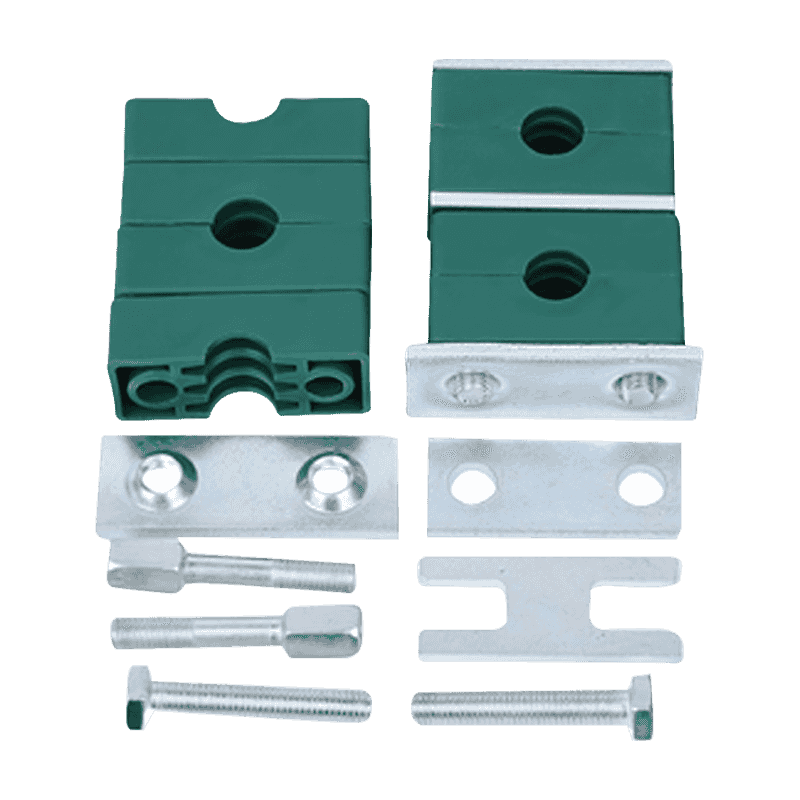
Characteristics & Structure: Composed of split clamp bodies (often polypropylene, polyamide, or aluminum) paired with carbon or stainless steel weld plates, cover plates, and bolts. DIN 3015-1 covers standard light-to-medium loads, while DIN 3015-2 targets heavy loads, shock, and pulsation.
-
Typical Use Cases: Hydraulic and pneumatic lines, machine tools, mobile construction and agricultural machinery, steel mills, shipbuilding, and oil & gas skids.
2. U-Bolts & Two-Bolt / Riser Clamps
-
Characteristics & Structure: Simple, high-strength bent-rod U-bolts or hinged/two-bolt collars that wrap around rigid pipes and fasten to structural steel, channels, or vertical risers.
-
Typical Use Cases: Anchoring and guiding process piping in power plants, refineries, and water treatment facilities; supporting vertical building risers across floors; and heavy pipe suspension.
3. Cushioned & Vibration-Damping Clamps
-
Characteristics & Structure: Metal shells or strut clamps lined with EPDM rubber, silicone, or elastomer inserts to absorb mechanical vibration, reduce noise, and prevent galvanic corrosion or tube marring.
-
Typical Use Cases: HVAC chilled/hot water lines, marine engine rooms, chemical processing plants, semiconductor cleanrooms, and data center liquid-cooling loops.
4. Hose Clamps (Worm-Gear, Spring, Wire & Ear Clamps)
-
Characteristics & Structure: Flexible metallic bands or tensioned rings—including worm-drive screw bands, constant-tension spring clamps, double-wire clamps, and pinch/ear clamps—designed to seal flexible hoses onto barbs or spigots.
-
Typical Use Cases: Automotive coolant, fuel, intake, and EV thermal management lines; industrial fluid transfer and MRO maintenance; plumbing and agricultural irrigation; and marine/appliance assemblies.
5. Specialty Clamps (Beam Clamps, Repair Clamps & Saddle Clamps)
-
Characteristics & Structure: Purpose-built designs such as non-drilling structural beam clamps, split leak-repair sleeves/clamps, and curved saddle clamps.
-
Typical Use Cases: Hanging hangers from steel I-beams without welding or drilling; sealing active leaks or damaged sections without shutting down pipelines; and branching or reinforcing curved pipe walls.
Quick Comparison Matrix
| Clamp Type |
Primary Mechanism |
Key Strengths |
Main Applications |
| DIN 3015 Hydraulic / Structural |
Split body + steel plate & bolts |
High load rating, modular, vibration-resistant |
Hydraulics, heavy machinery, shipbuilding |
| U-Bolt & Riser Clamps |
Bent rod or two-bolt collar |
Simple, economical, strong anchor/support |
Power, oil & gas, building risers |
| Cushioned / Damping Clamps |
Elastomer/rubber-lined metal |
Noise/vibration damping, surface protection |
HVAC, data centers, pharma/cleanrooms |
| Metal Hose Clamps |
Band, spring, wire, or ear ring |
Radial seal on flexible hoses, fast assembly |
Automotive, EVs, irrigation, MRO |
| Specialty Clamps |
Beam, repair, or saddle geometry |
Zero-weld mounting, live-line repair |
Structural steel, utility maintenance |
Global Market & Demand Trends
-
Steady Market Expansion: Both industrial pipe clamps and metal hose clamps are experiencing steady multi-year growth driven by infrastructure upgrades, industrial automation, and ongoing MRO replacement demand. Carbon steel and standard configurations still account for large volume share due to cost efficiency, while stainless steel and heavy-duty/specialized clamps are expanding faster where corrosion resistance and high loads are required.
-
Regional Demand Dynamics: Asia-Pacific leads global consumption volume on the back of manufacturing scale, urban infrastructure, and industrial expansion, while North America and Europe place strong emphasis on strict code compliance (ASME, MSS, DIN), energy/grid modernization, data centers, and high-spec replacement markets.
-
Key Buying Drivers: Buyers increasingly prioritize corrosion resistance (304/316 stainless steel and better coatings), vibration and acoustic control, fire/seismic/hygienic certifications, and ESG/low-VOC manufacturing alongside lead time and total installed cost.
 HOME / NEWS / Industry News / Metal Hardware Pipe Clamps: Types, Applications, and Global Market Demand





 English
 русский
 Español