HOME / NEWS / Industry News / Forged Steel Globe Valves Market: Industrial Flow Control Equipment and Growth Outlook

2026-11-20
Content
Content type: Industry insights / market analysis
Recommended use: Company website, industrial valve supplier website, engineering and procurement portal
Data note: Market size, segment share, and growth figures in this article are based primarily on the Fact.MR market page updated on November 3, 2026. They are third-party estimates and forecasts, not independent statistics produced by this website.
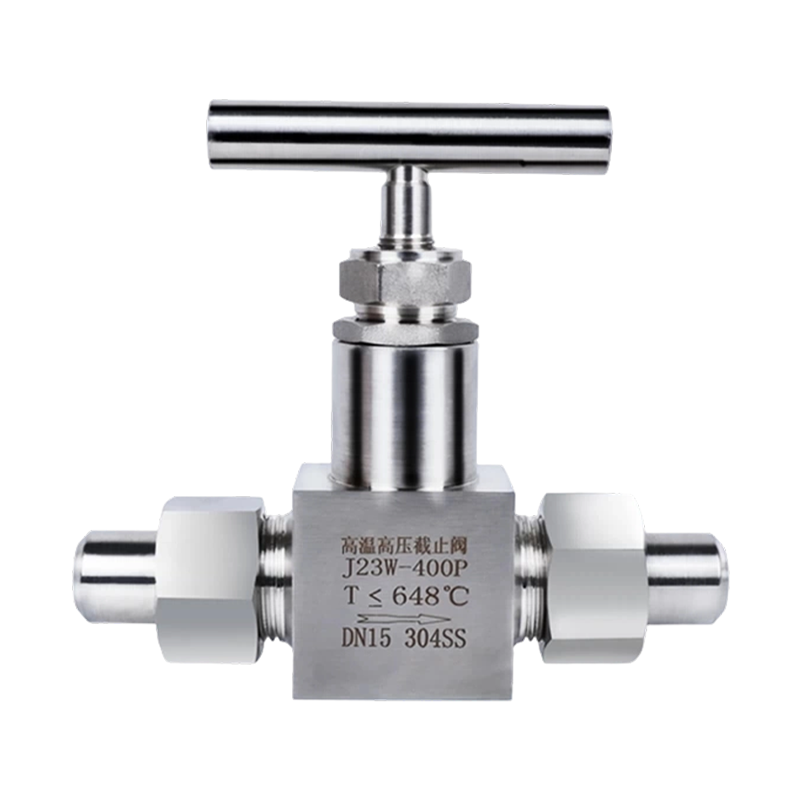
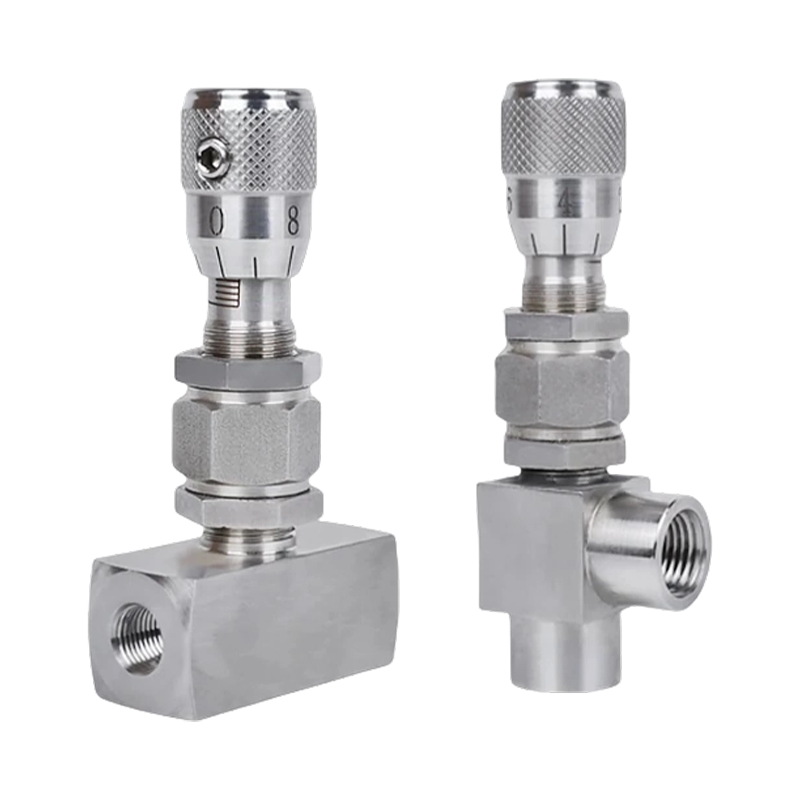
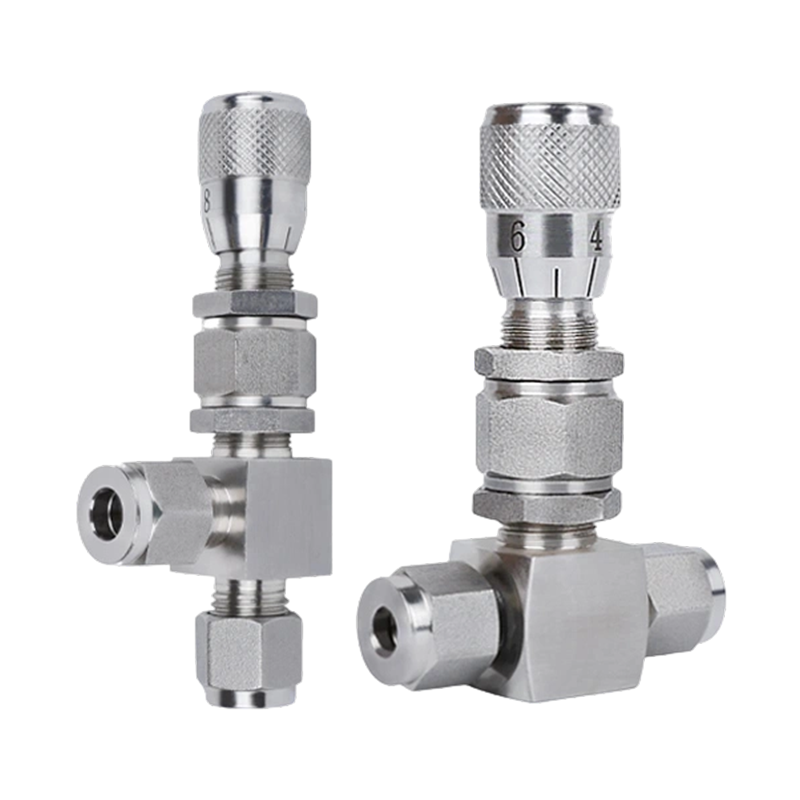
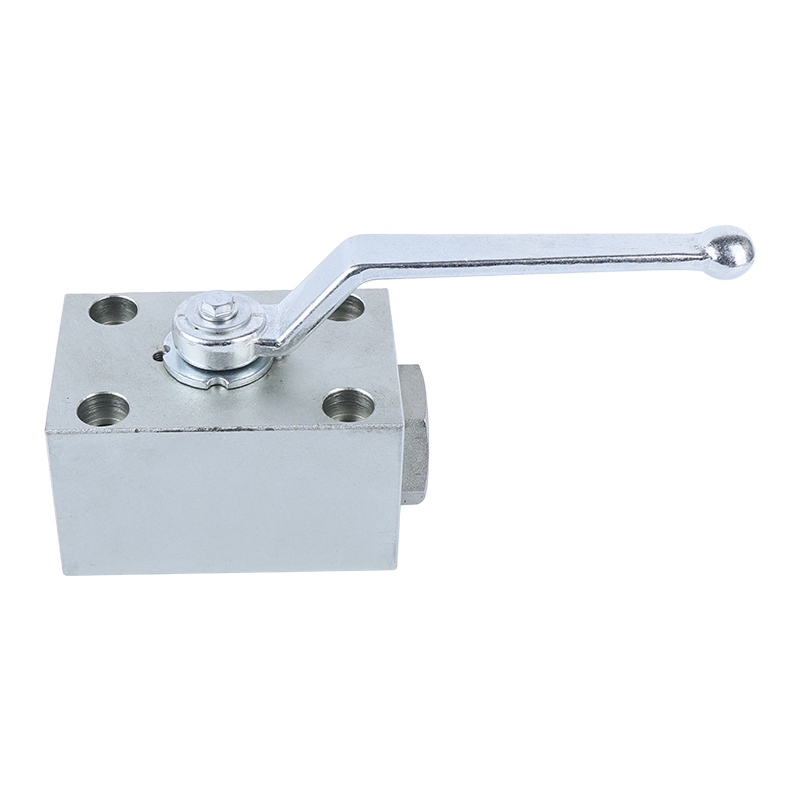
Forged steel globe valves are industrial flow-control components manufactured with forged steel pressure boundaries. They are used to regulate or isolate fluids in compatible piping systems. Compared with many cast-body alternatives, forged construction is often selected where pressure integrity, material traceability, and long-term operating reliability are important considerations.
Forged steel globe valves are used across oil and gas, chemical processing, power generation, water and wastewater treatment, and other process industries. Demand comes from both new projects and the replacement, refurbishment, and scheduled maintenance of installed equipment.
According to Fact.MR's forecast, the global forged steel globe valves market is expected to grow from USD 8.11 billion in 2025 to USD 8.53 billion in 2026, reaching approximately USD 14.2 billion by 2036. The market is projected to expand at a 5.2% CAGR from 2026 to 2036.
| Indicator | Value |
|---|---|
| Market value in 2025 | USD 8.11 billion |
| Estimated value in 2026 | USD 8.53 billion |
| Forecast value in 2036 | USD 14.2 billion |
| Forecast CAGR, 2026–2036 | 5.2% |
Source: Fact.MR, updated November 3, 2026. Actual market performance may vary depending on project investment, raw material pricing, industrial cycles, and market definitions.
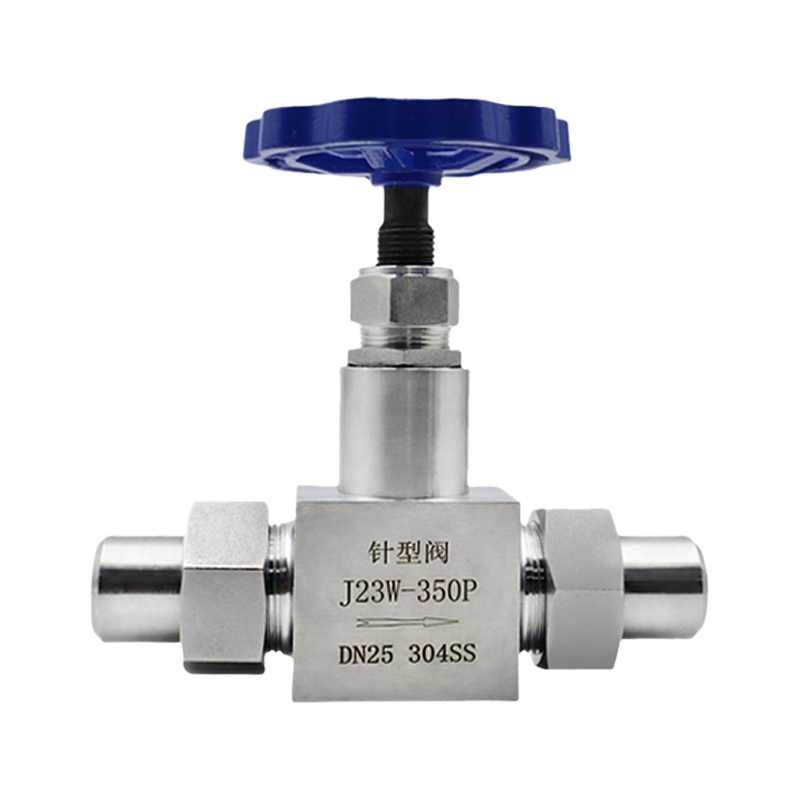
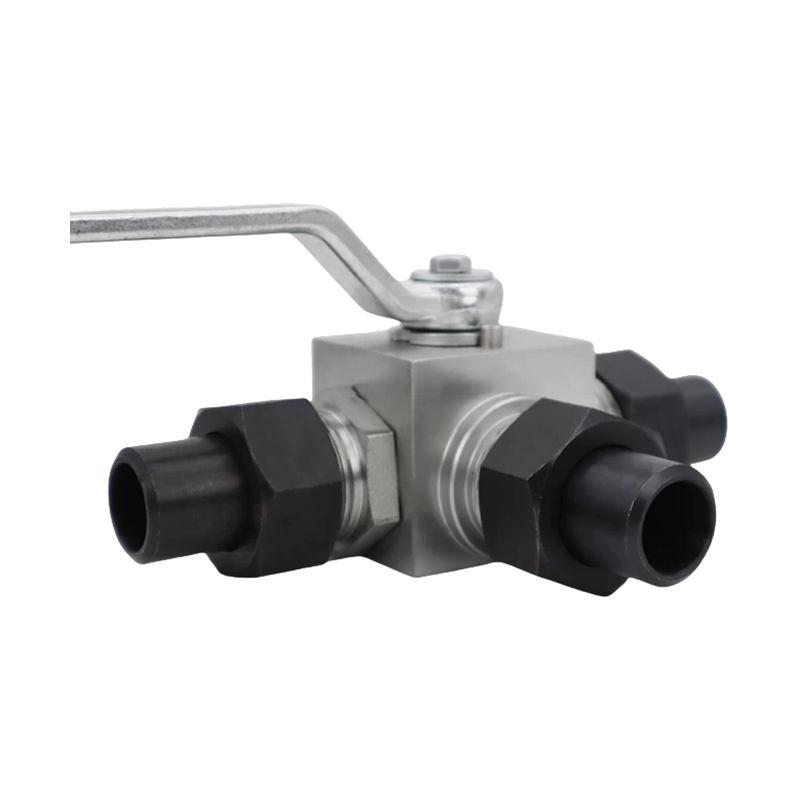
Valve body material, forging quality, heat treatment, pressure class, and inspection records all influence equipment suitability. Buyers typically evaluate these factors against design pressure, design temperature, process media, and the applicable piping class rather than selecting a valve based only on nominal size or purchase price.
Globe valves can be used for selected throttling and isolation duties. Requirements differ between oil and gas facilities, chemical plants, power stations, and utility systems. Flow-control performance, shutoff capability, operating frequency, end connections, trim materials, packing, and gasket compatibility all need to be considered during specification.
Industrial facilities frequently replace valves during scheduled shutdowns and maintenance turnarounds. Delivery time, dimensional compatibility, material documentation, and access to replacement seals and other spare parts can be as important as the initial equipment price.
Industrial buyers commonly request material certificates, pressure-test records, nondestructive examination results, dimensional inspection reports, and traceability documentation. Complete records support project approval, commissioning, maintenance planning, and later audits.
Fact.MR estimates that Y-pattern globe valves account for 35.9% of market value in 2026. Their internal flow path may be selected for applications that require throttling control while managing pressure loss.
The main valve-type categories include:
Final selection depends on the process duty, pressure class, flow requirements, maintenance access, and installation layout.
Oil and gas is expected to represent 28.5% of market value in 2026, making it a major application area for forged steel globe valves. Upstream, midstream, downstream, gas processing, storage, and utility systems each present different combinations of pressure, temperature, media, and maintenance requirements.
Other applications include:
Industrial users are expected to account for 67.3% of market value in 2026. Manufacturing and process facilities often maintain large piping networks, approved-vendor lists, valve registers, and critical-spares inventories. Products that match existing pressure classes, dimensions, materials, and maintenance procedures may be easier to qualify as replacements.
Commercial and residential systems generally involve different pressure ranges, configurations, and purchasing requirements, resulting in a different demand profile.
Carbon steel is expected to account for 39.8% of market value in 2026. Where pressure, temperature, and corrosion conditions permit, carbon steel can provide a practical balance of strength, machinability, and cost.
Common material options include:
The body grade alone does not determine complete valve suitability. Seat, stem, disc, packing, gasket, and other trim materials also need to match the operating environment.
Fact.MR provides the following forecast growth rates for selected countries:
| Country | Forecast CAGR, 2026–2036 |
|---|---|
| Germany | 6.0% |
| Brazil | 5.5% |
| United States | 4.9% |
| United Kingdom | 4.4% |
| Japan | 3.9% |
Demand in Germany is associated with chemical processing, manufacturing, and the maintenance of established industrial assets. Mature facilities require reliable replacement components, clear technical documentation, and compatibility with existing piping and maintenance systems.
Brazilian demand is closely linked to oil and gas operations and related industrial projects. Pressure-control components require careful selection and inspection, while investment cycles can influence purchasing schedules.
Demand in the United States is supported by natural-gas power generation, industrial facilities, utility systems, and replacement activity. Both new installations and the renewal of existing assets can create opportunities for compatible forged valve equipment.
The United Kingdom has an established energy infrastructure, so maintenance, refurbishment, and equipment replacement remain important demand areas. Changes in the generation mix may also influence maintenance needs across utility systems.
Japanese manufacturing places strong emphasis on equipment reliability and planned maintenance. Suppliers serving this market may need to demonstrate consistent quality control, technical responsiveness, and compatibility with plant-specific standards.
Competition in this market extends beyond product pricing. Important differentiators include:
Fact.MR lists companies including Emerson Electric, Flowserve, Velan, Crane, KSB, and Bonney Forge in connection with this market. Product coverage and suitability vary by company, so buyers should verify current catalogs, technical data, certifications, and the exact forged steel globe valve configuration required for each project.
When selecting a forged steel globe valve, buyers should review the following points:
Forged steel globe valves remain important components in industrial piping systems where flow regulation, isolation, pressure-boundary integrity, and maintainability are all relevant. Market expansion is expected to be supported by replacement demand, energy and chemical projects, and greater attention to reliability and traceability.
For manufacturers and distributors, long-term competitiveness depends on more than adding product variants. Strong capabilities across materials, forging, machining, testing, documentation, delivery, and after-sales service can provide greater value to engineering contractors and plant operators. For end users, the best purchasing decision should combine technical compliance with lifecycle cost, maintenance access, spare-parts availability, and supplier responsiveness.
Recommended Products
Copyright © Yancheng Yanye Hydraulic Parts Co., Ltd. All Rights Reserved
Custom Ball Valve Factory
China Ball Valve Manufacturers




 English
 русский
 Español