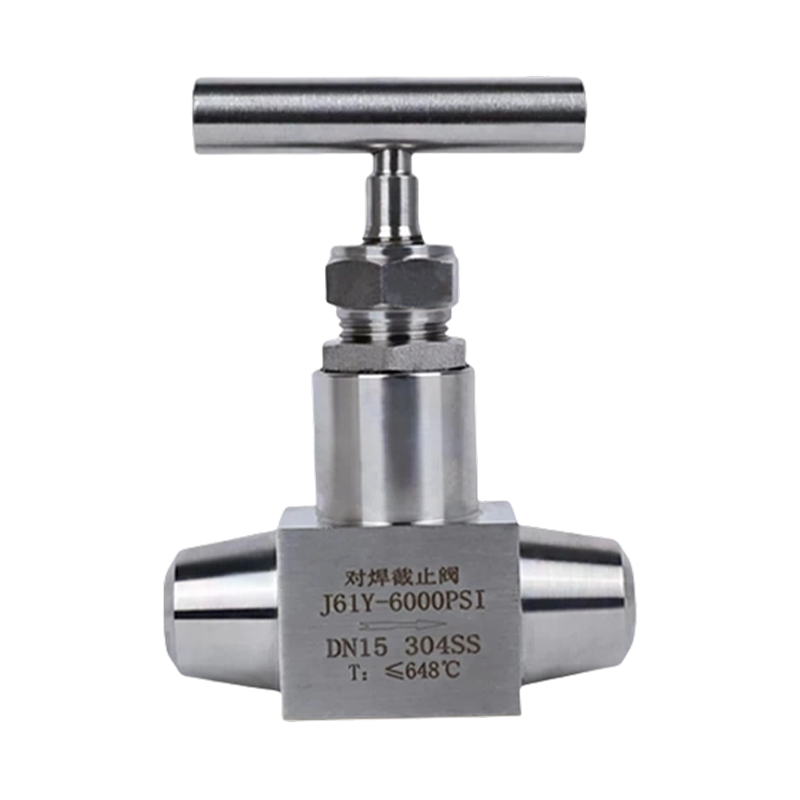
HOME / PRODUCTS / High-pressure Ball Valve / J23W-400P 304 Stainless Steel Globe Valve, Needle Valve (High-Temperature & High-Pressure, External Thread, Welded, 316L)
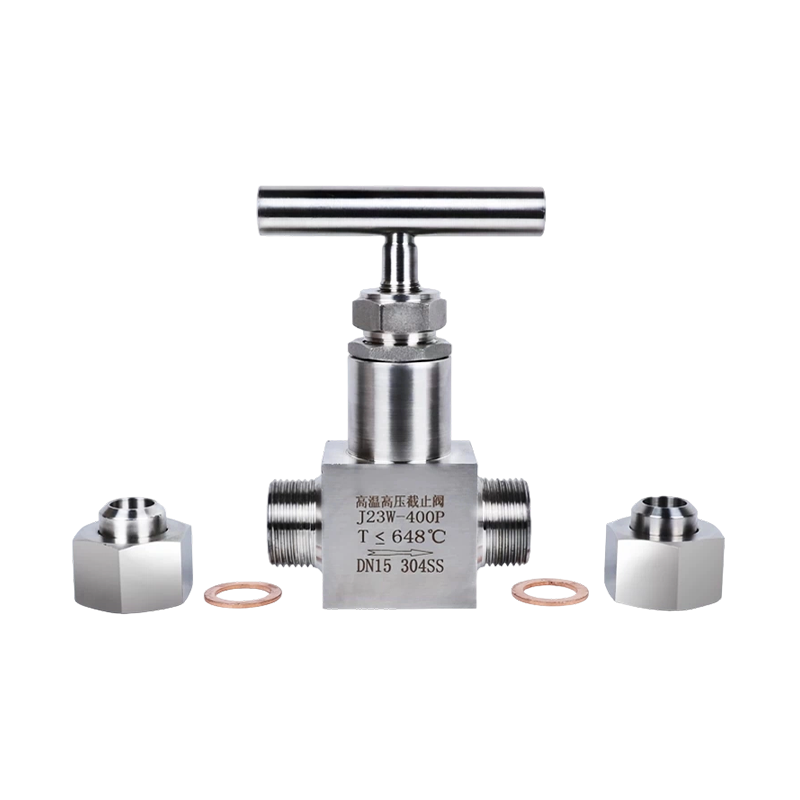
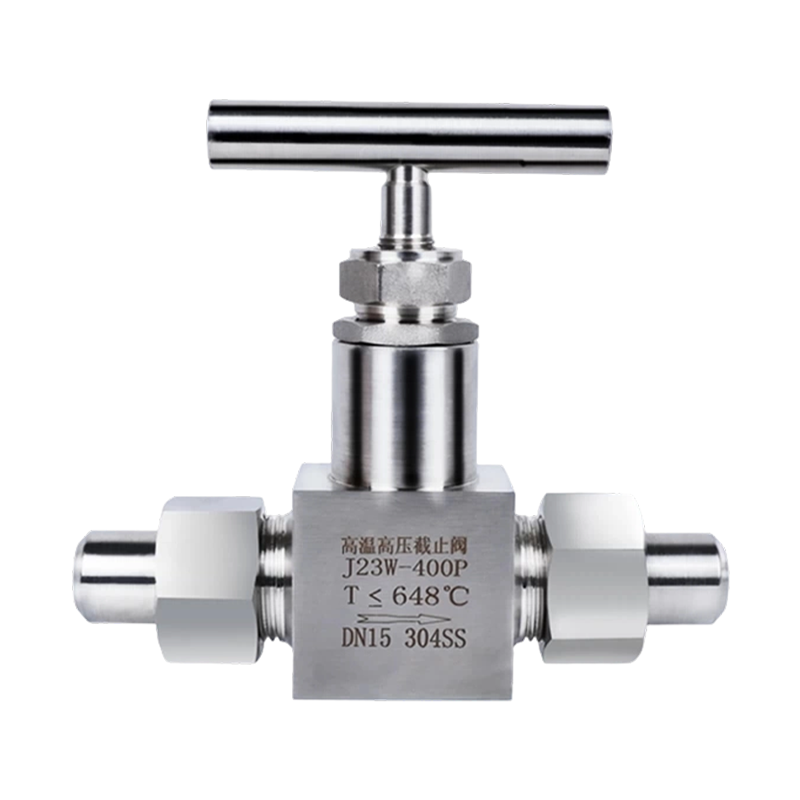
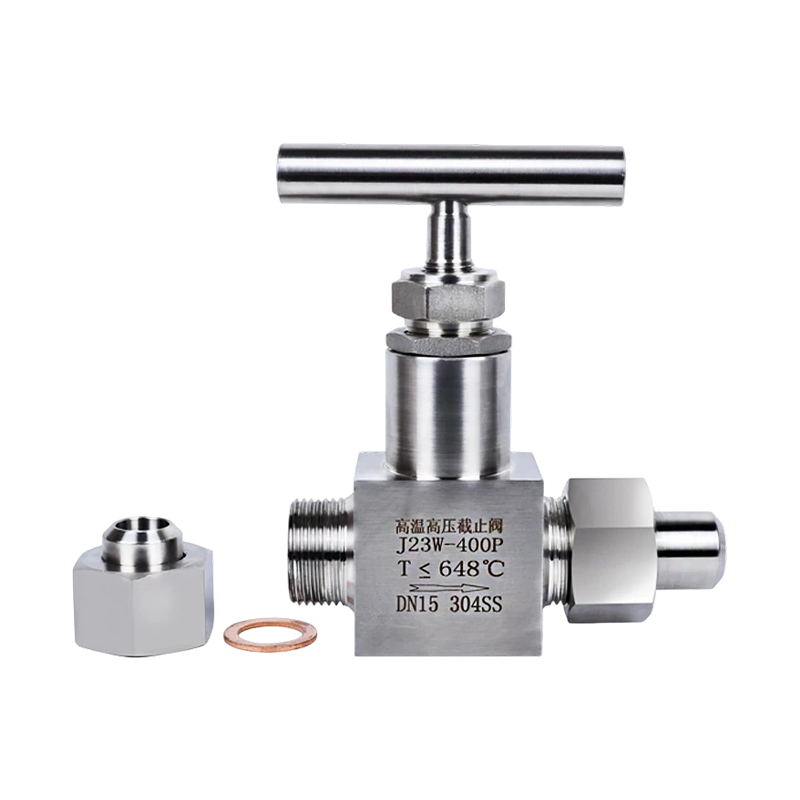
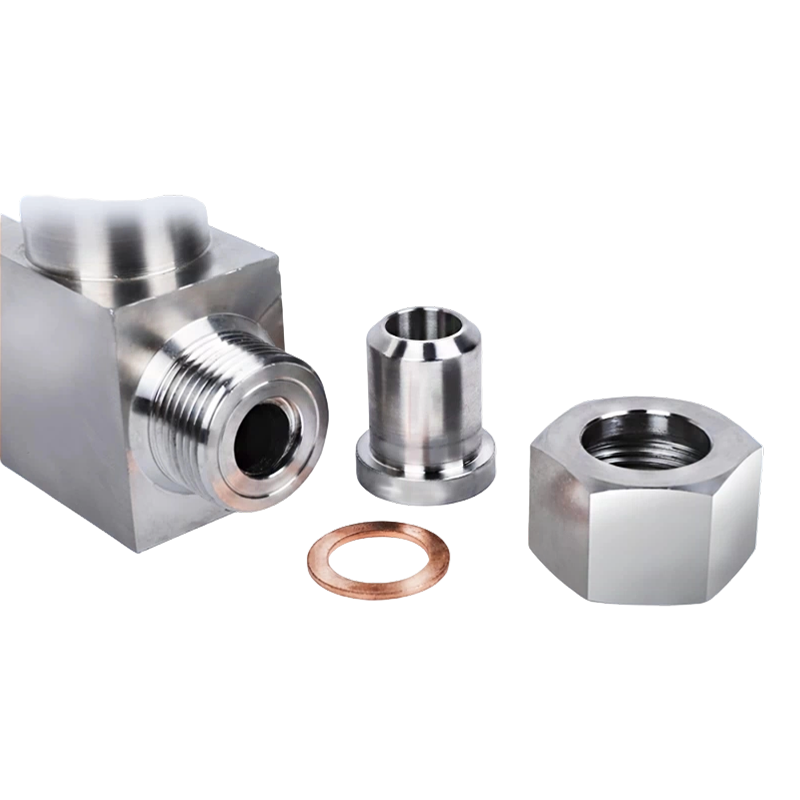
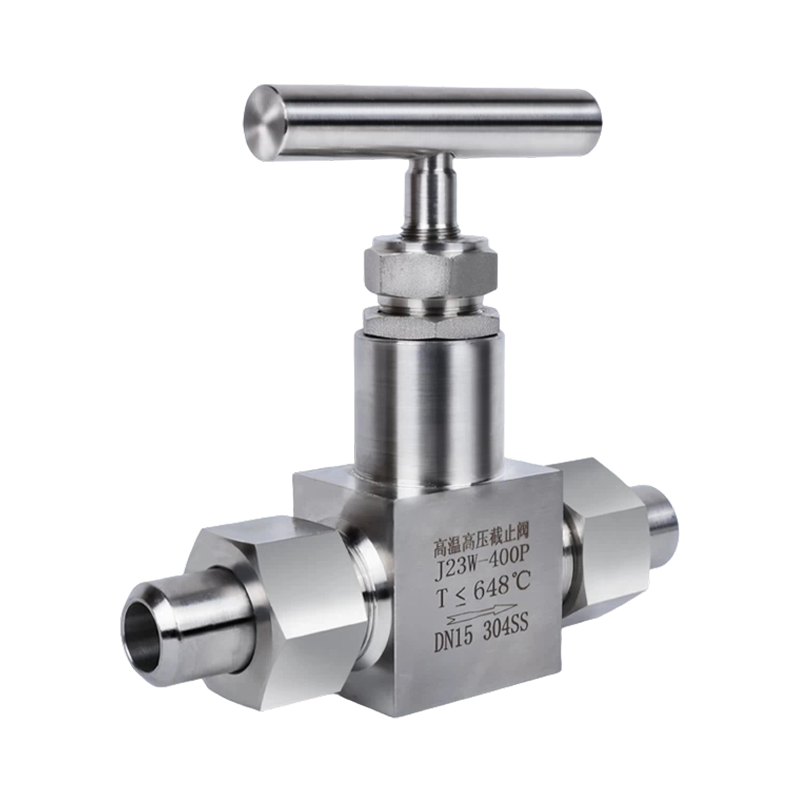
Product Overview
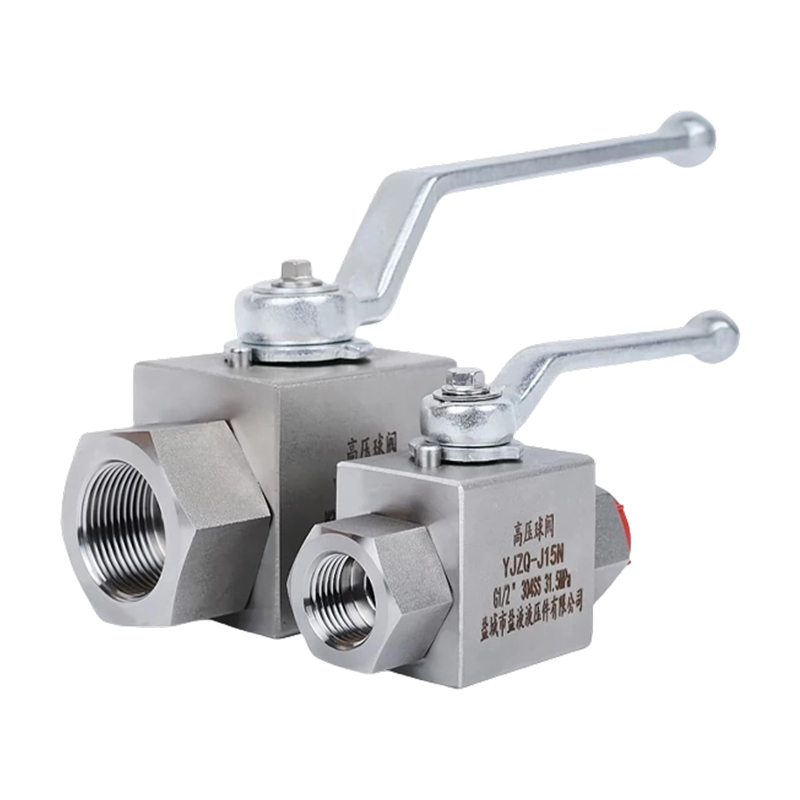
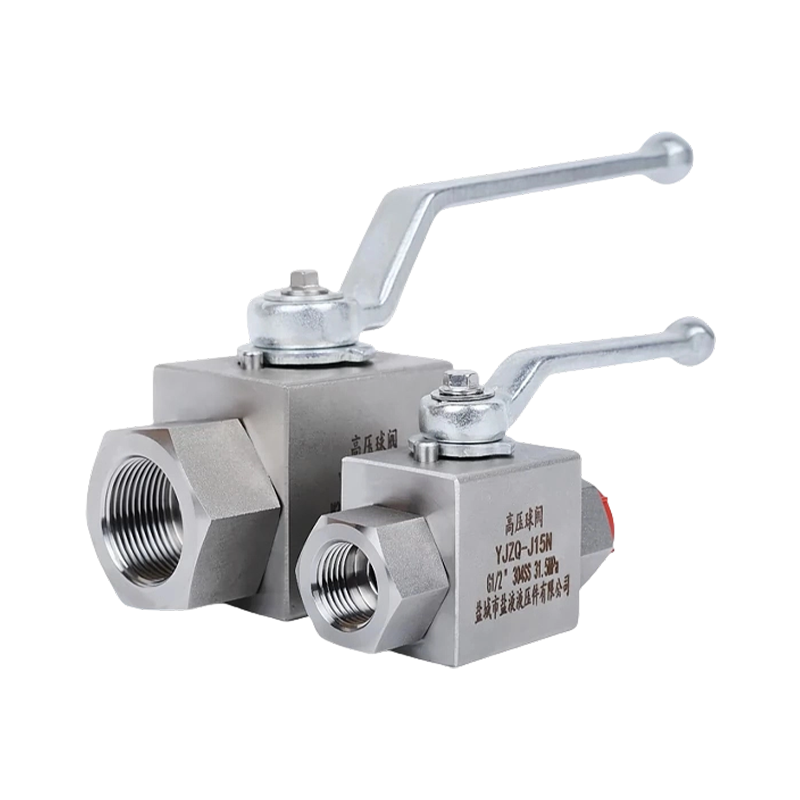
The YJZQ/KHB series stainless steel high-pressure ball valve is a high-performance fluid control device specially designed for harsh working conditions. Adopting high-quality stainless steel materials and integrated with precision manufacturing processes, this product can achieve reliable shut-off under high-pressure, high-temperature, and corrosive environments. It is widely used in key pipeline systems of petroleum, chemical, electric power, energy and other industries.
Core Product Advantages
1. Excellent Material Performance
2. High-Pressure Sealing System
3. Flexible Connection Methods
Core Technical Parameters
| Item | Specification & Description |
| Valve Body Material | 304 Stainless Steel / 316L Stainless Steel |
| Pressure Rating | PN25.0-42.0MPa (Class 1500-2500) |
| Connection Type | Internal Thread / External Thread (NPT/G/BSP) |
| Applicable Temperature | -29℃ ~ +200℃ (depending on sealing material) |
| Sealing Material | Reinforced PTFE / Metal Hard Seal |
| Actuation Method | Manual / Pneumatic / Electric / Gear Box |
Application Fields
1. Petrochemical Industry: Oil refining equipment, chemical process pipelines
2. Energy & Electric Power: Boiler feed water, steam systems
3. Pharmaceutical & Food Industry: Clean fluid delivery systems
4. Marine & Offshore Engineering: Seawater systems, ballast systems
5. Environmental Protection Engineering: Wastewater treatment, waste gas treatment equipment
Selection Guide
Selection based on medium characteristics:
| Medium Type | Recommended Material | Sealing Type |
| Water/Steam/Non-corrosive Medium | 304 Stainless Steel | Soft Seal |
| Weak Acid/Weak Alkali Solution | 304/316L Stainless Steel | Soft Seal + PTFE |
| Strongly Corrosive/Chloride-Containing Medium | 316L Stainless Steel | Hard Seal |
Selection based on working conditions:
Quality Assurance System
1. Manufacturing Standards: Complying with API 6D/GB/T 12237 standards
2. Testing Requirements:
100% pressure test (1.5 times the nominal pressure)
Helium mass spectrometry leak detection (for hard-seal valves)
Fire test (for fire-safe valves)
3. Certificate Support: Providing material report, pressure test report, and 3.1 material certification
Service Support
Next Steps
For detailed information, please contact us. Provide your working condition parameters, and we will recommend the optimal solution for you! [Technical Consultation] · [Sample Download] · [Online Quotation]
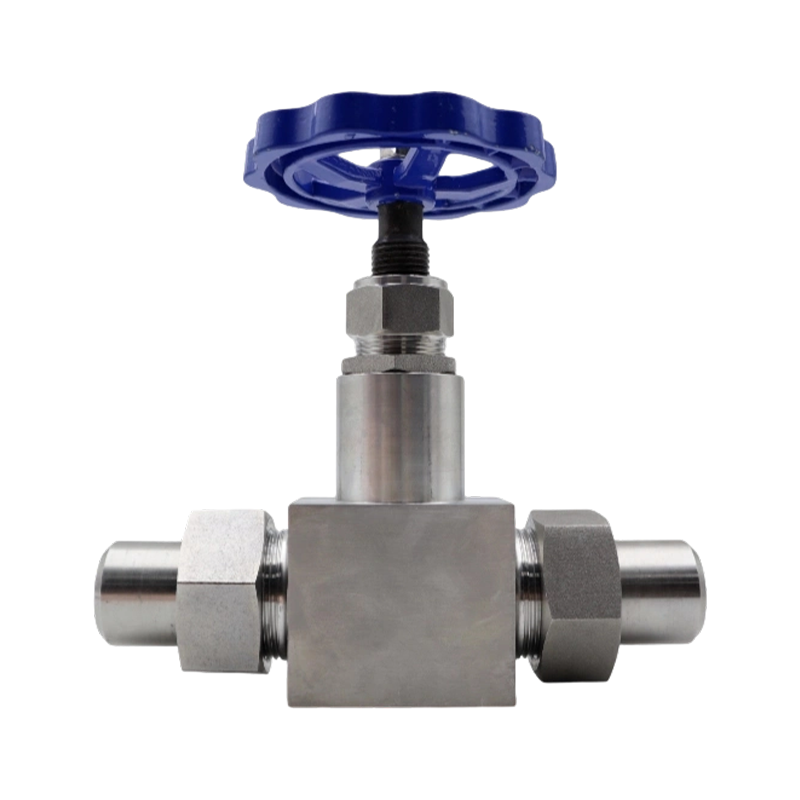
A pneumatic actuated ball valve is the most cost-effective way to automate on-off control in industrial fluid lines that already have a compressed-air supply. It is simply a quarter-turn ball valve driven by a pneumatic actuator that rotates the ball 90 degrees to open or close the line. The three decisions that deter...
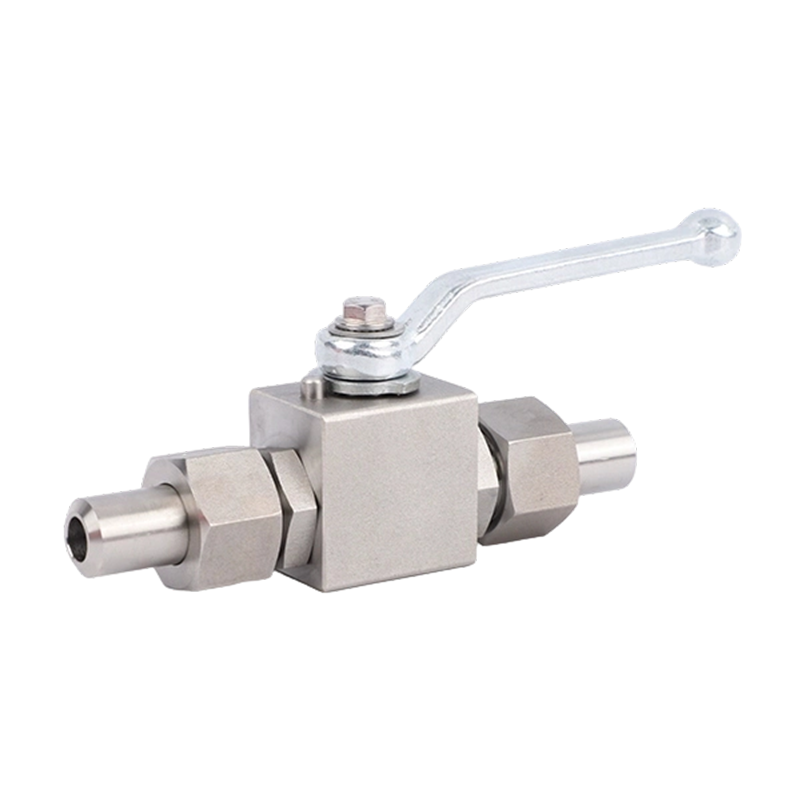
View MoreThe straightforward answer is that most two-way ball valves are bidirectional, but flow direction still matters for three-way valves, unidirectional seat designs, and high-pressure applications where reverse flow can damage the sealing elements. This article explains exactly when flow direction is critical, how to ide...
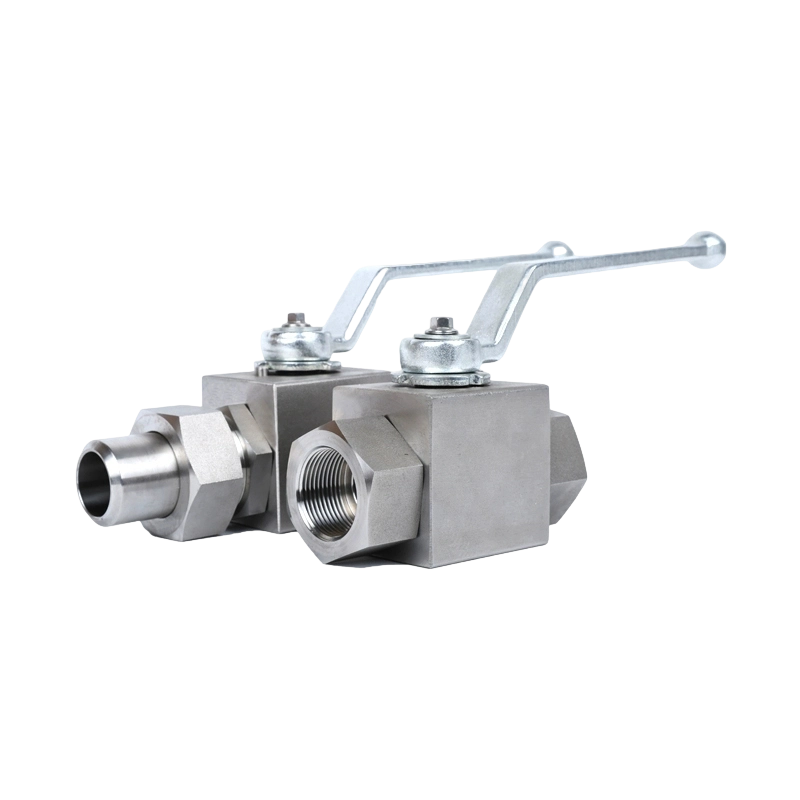
View MoreFinding a reliable 3 way control valve manufacturer comes down to three measurable factors: pressure class, body material, and connection type. These three variables cause the majority of early-life valve failures in industrial service. For example, a hydraulic test bench running at 31.5 MPa will quickly destroy a va...
View More
Copyright © Yancheng Yanye Hydraulic Parts Co., Ltd. All Rights Reserved




 English
  русский
  Español