**Abstract** Pneumatic ball valves are quarter-turn rotary valves actuated by compressed air, widely used for on/off and diverting service in process industries. Their appeal lies in fast actuation, ...
View MoreA three-way ball valve on a hydraulic test bench that diverts oil between a filter loop and a return line often runs for years on a hand lever, then fails the same week an electric actuator is fitted...
View More**Abstract:** Metal piping systems form the circulatory backbone of heavy industry, and the humble pipe clamp is the critical interface between that vibrating, thermally cycling, sometimes corrosive a...
View More1. Introduction Industrial valves regulate, direct, or control the flow of liquids, gases, slurries, and steam within piping systems by opening, closing, or partially obstructing passageways. Select...
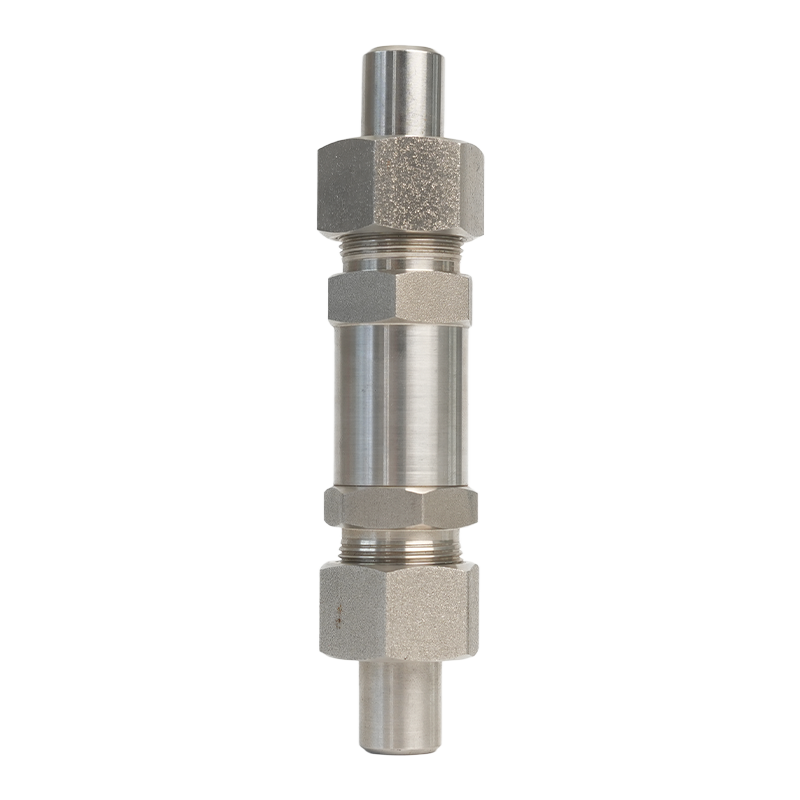
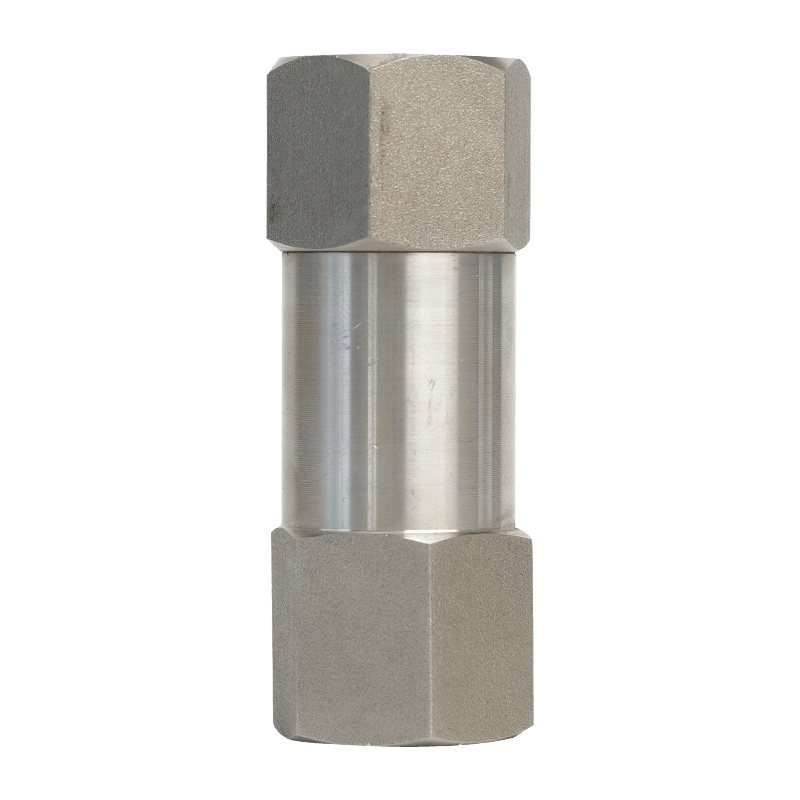
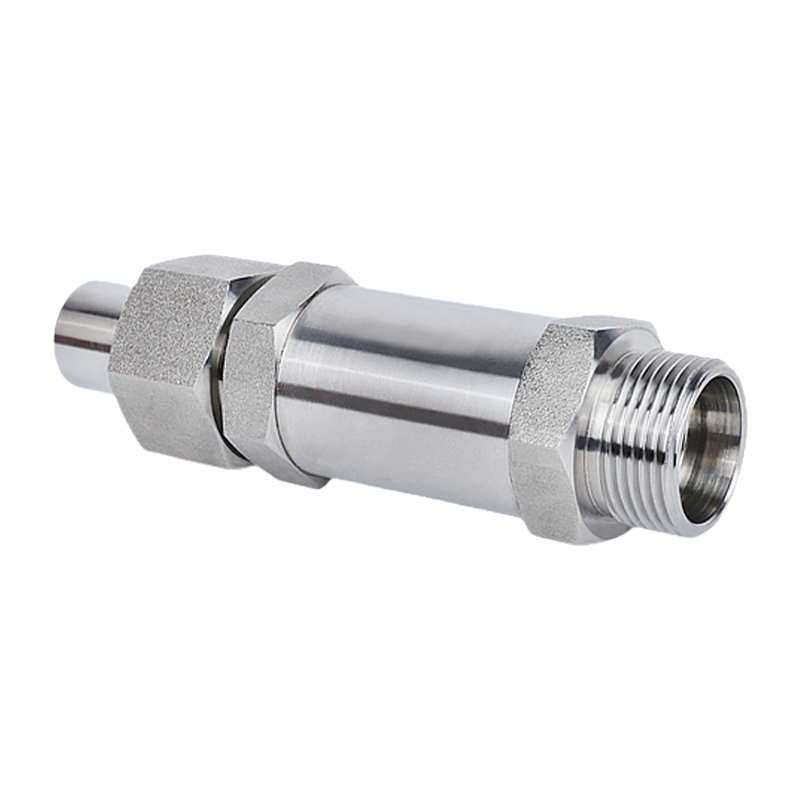
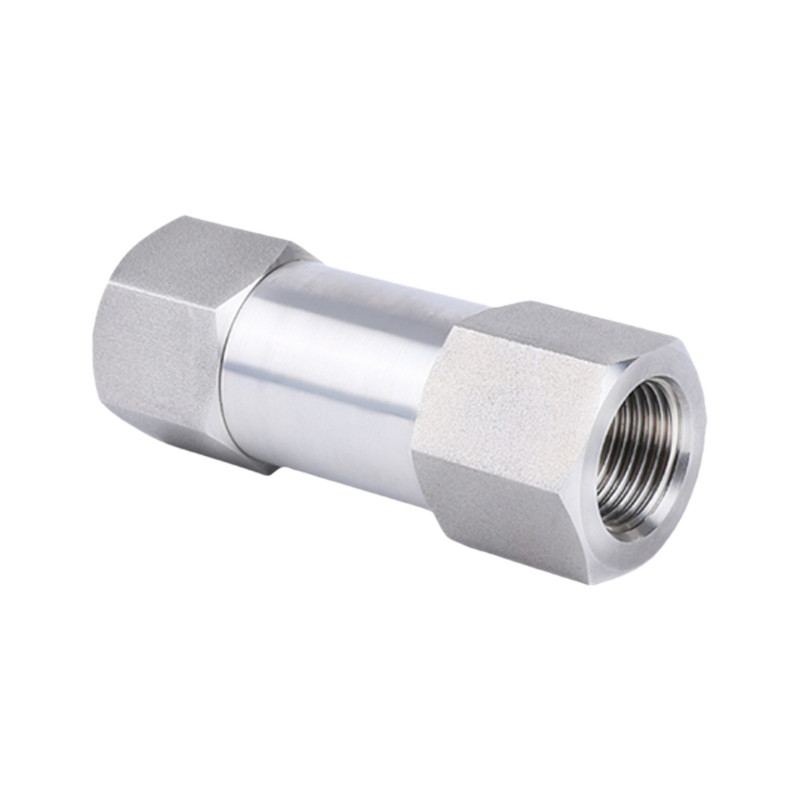
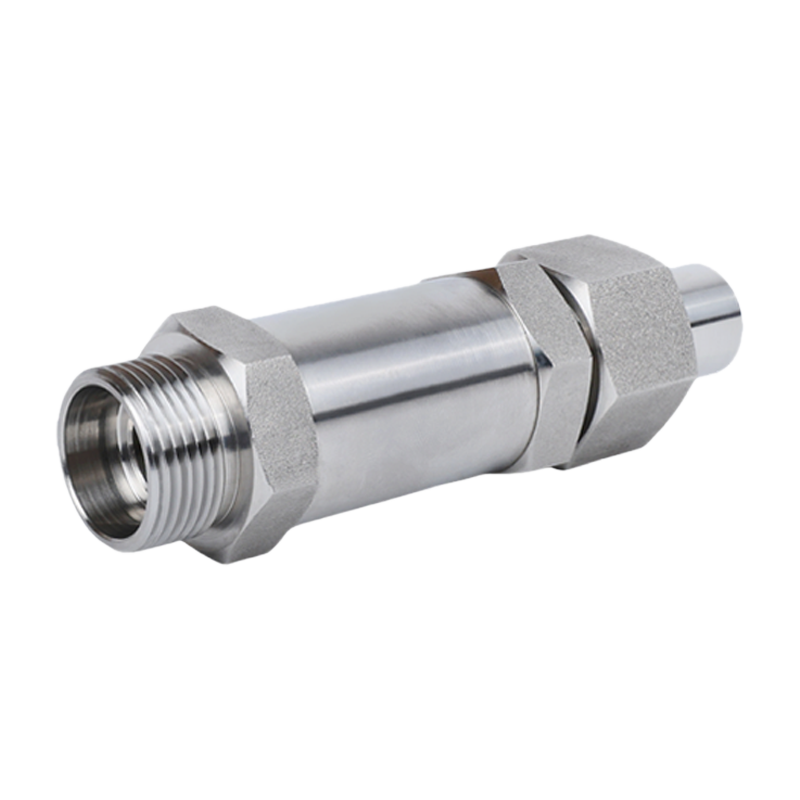
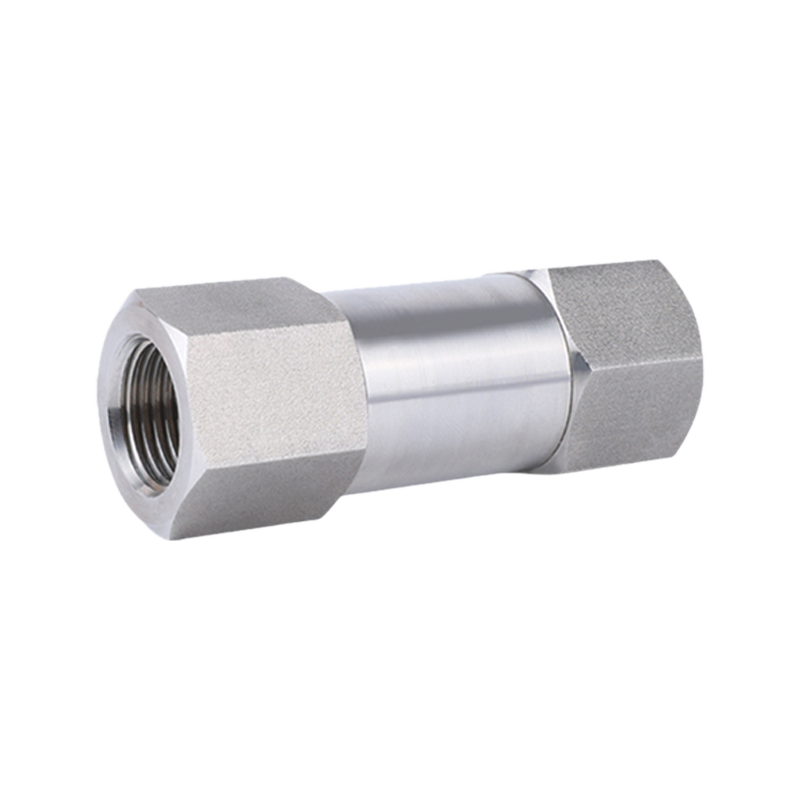
View MoreYancheng Yanye Hydraulic Parts Co., Ltd. manufactures the One Way Valve Check Valve manufacturer range at our Funing County, Jiangsu facility — a region known as the hometown of Chinese valves. This product family covers stainless steel non-return valves with external or internal threads, integrated strainer configurations, fire arrester check valves, and a straight-through welded high-pressure check valve designed for zero-leakage service. Each model serves a defined role in hydraulic, pneumatic, gas, and process piping systems where reverse flow must be blocked without manual intervention.
Our factory integrates production, processing, sales, and R&D under ISO 9001:2015 quality management, with CNC machining centers, automated assembly lines, and precision testing equipment supporting the full product chain. We supply these valves to petroleum, chemical, metallurgy, power, pharmaceutical, papermaking, food, and energy projects, and we customize dimensions, materials, thread standards, and branding to match project specifications.
Our one-way check valve line is organized by connection style, added function, and application pressure class. Each configuration shares the same working principle — a spring-loaded or gravity-assisted disc, ball, or poppet that opens on forward flow and seals against reverse flow — while the body, thread, and auxiliary element adapt the valve to a specific installation.
Male-thread body for direct installation into tapped ports, manifolds, and block assemblies. Suited to compact hydraulic circuits where a female port is already present.
Female-thread body accepting male pipe or hose fittings. Common in line-mounted installations where the valve is threaded between two pipe sections.
Combines a check valve with an upstream screen to protect downstream components from particulate contamination. Used at pump inlets and instrument feed lines.
Female-thread version of the strainer check valve, installed where a male pipe end is available and filtration plus reverse-flow protection are required in one body.
Integrates flame-arresting elements with non-return function for gas lines where flashback protection and reverse-flow blocking are both required.
Female-thread fire arrester check valve for gas train installations, compatible with standard pipe fittings and accessible for periodic inspection.
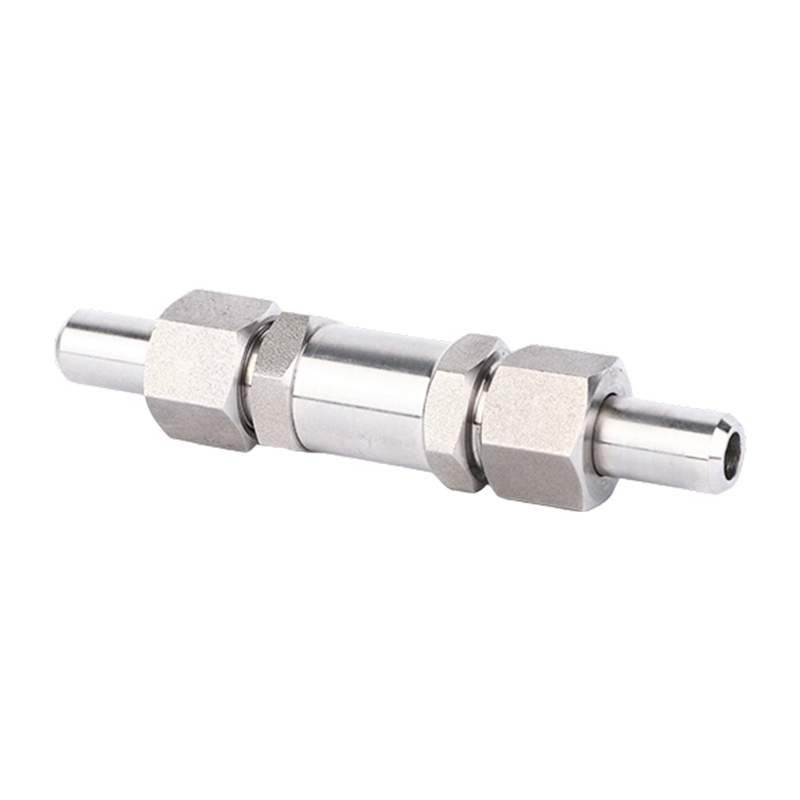
The Stainless Steel Oneway Check Valve product family also includes the Stainless Steel Check Valve, Straight Through Welded High-Pressure Check Valve for zero-leakage high-pressure duty where threaded joints are not acceptable and welded pipe connections are specified.
A check valve is a passive safety and directional-control element. It protects pumps from reverse rotation, isolates branch circuits, retains pressure in accumulator and cylinder circuits, and prevents backflow contamination in process lines. Our stainless steel bodies are chosen for media compatibility with water, hydraulic oil, glycol, mild chemicals, and gaseous fuels where the seal materials and fire-arrester option allow.
The check valve range is part of our wider fluid control product chain that includes Hydraulic Ball Valve Suppliers and Pipe Clamp systems, allowing a single project to source direction control, isolation, and pipe support from one manufacturing point.
Body and trim materials determine media compatibility and service life. Our standard stainless steel construction resists corrosion in water, mild chemical, and outdoor installations, while seal and spring materials are selected against temperature and media. The table below maps the specification decisions we confirm at quotation stage.
| Parameter | Options in Our Range | Selection Influence |
|---|---|---|
| Body material | Stainless steel grades by project | Media corrosivity, temperature, hygiene class |
| Connection | External thread, internal thread, welded | Pipe interface, pressure class, leak-path tolerance |
| Auxiliary element | None, strainer, fire arrester | Contamination control, flashback protection |
| Seal / spring | Selected to media and temperature | Cracking pressure, seat tightness, service life |
| Size and flow rate | Port sizes matched to line bore | Pressure drop, velocity, allowable opening |
| Testing | Pressure and dimensional inspection | Acceptance criteria and inspection report scope |
Cracking pressure, reseal performance, and forward-flow pressure drop all interact with size selection. A smaller valve reduces installation envelope but increases velocity and pressure loss; a larger valve lowers drop but may not seal as quickly at low reverse flow. We calculate these trade-offs against the working point you provide.
Check valves open once forward differential pressure exceeds cracking pressure. Spring-loaded designs provide faster reseal and can be mounted in any orientation; gravity-assisted designs depend on vertical installation and lower cracking thresholds. For high-cycle hydraulic service, the valve should sit in a stable flow region rather than directly at a pump discharge where turbulence accelerates seat wear.
Indicative relative restriction by configuration; actual values depend on size and flow rate.
Our ISO 9001:2015 system runs from raw material receipt to finished packing: incoming spectro-analysis and dimensional checks, in-process pressure and dimensional verification during machining, and final full-pressure testing, visual inspection, and dimension verification before shipment. Inspection reports are available with each batch, and 2D/3D CAD drawings in .dwg or .step format plus PDF catalogs and technical datasheets support engineering integration.
Production standards follow DIN 2353 and DIN 3015 where applicable, and we can discuss manufacturing to ANSI/ASME, DIN, or JIS requirements on a project basis.
OEM and ODM work covers branded labeling, customized packaging, non-standard dimensions, and alternative material requirements. Our CAD and 3D prototyping capability supports design adaptation for extreme temperatures, corrosive media, or compact installation spaces. Standard production runs 15–30 days after deposit receipt; customized or large orders run 30–60 days or as negotiated, with a production schedule issued at order confirmation.
PDF catalogs, 2D/3D CAD files, technical datasheets, and inspection reports.
Air, sea (FCL/LCL), and express (DHL, FedEx) arrangements through our export team.
To size and quote a check valve accurately, our engineering team works from the following project details. Where a specification is not yet fixed, we propose a working point and confirm it against your line data.
Check valves have few wear parts, but seat damage, spring fatigue, and strainer clogging are the common causes of leakage or increased pressure drop. Our after-sales team provides multilingual support and responds to technical inquiries within 24 hours, with lifetime technical support and quality warranty backing each order. Replacement screens, seals, and springs for standard models can be quoted against the original order reference.
For projects needing isolation valves alongside directional control, our Pressure Ball Valve Manufacturers range and the broader Hydraulic Ball Valve Suppliers catalog support a complete flow-control package from one factory.
Our one-way check valves are produced in port sizes matched to the line bore, with external or internal threads and welded ends available. We manufacture to DIN 2353 and DIN 3015 where applicable, and can discuss ANSI/ASME, DIN, or JIS thread standards for specific projects. Send the pipe schedule and thread callout with your enquiry so we can confirm the exact body size.
Yes. The external or internal thread fire arrester check valve combines a flame-arresting element with non-return function for gas service. Selection depends on gas composition, pressure class, and the required flame-arrest standard. Our team confirms the element and body configuration against the line data before quotation.
The strainer versions add an upstream screen that captures particulate contamination before it reaches the seat and downstream components. They are used at pump inlets, instrument feeds, and sampling lines where debris would otherwise shorten valve or instrument life. Standard check valves suit clean-media lines where contamination is controlled elsewhere.
Welded straight-through check valves eliminate threaded joint leak paths and are preferred in high-pressure pipework and zero-leakage service where the line is welded throughout. They are also suited to installations with vibration or thermal cycling that would loosen threaded connections. We confirm the weld preparation and pressure class against your pipe specification.
2D/3D CAD drawings in .dwg or .step format, PDF catalogs, and technical datasheets are available for all products. Inspection reports covering material, dimensional, and pressure-test results can be supplied with the shipment. Our R&D team supports non-standard dimensions, branding, and packaging through OEM/ODM arrangements.
Standard products ship 15–30 days after deposit receipt. Customized or large orders run 30–60 days or as negotiated, with a production schedule issued at order confirmation. We arrange air, sea (FCL/LCL), and express shipping through our export team.
Copyright © Yancheng Yanye Hydraulic Parts Co., Ltd. All Rights Reserved
China One-Way Valve, Check Valve Manufacturers




 English
 русский
 Español