HOME / NEWS / Industry News / Technical Overview of Mainstream Industrial Valves: Operating Principles, Selection, and Application Guidelines

2026-11-23
Content
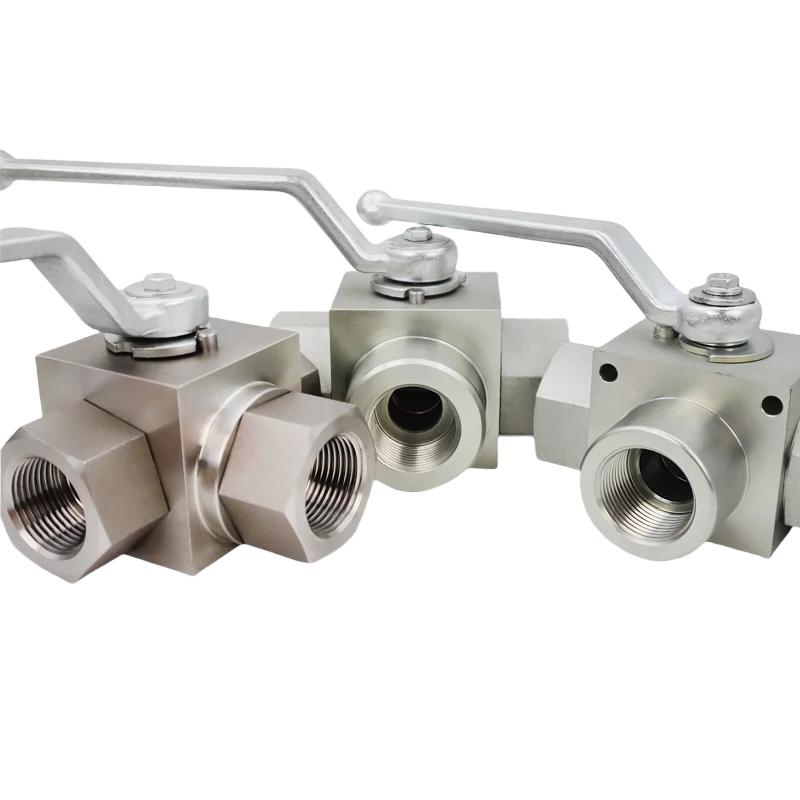
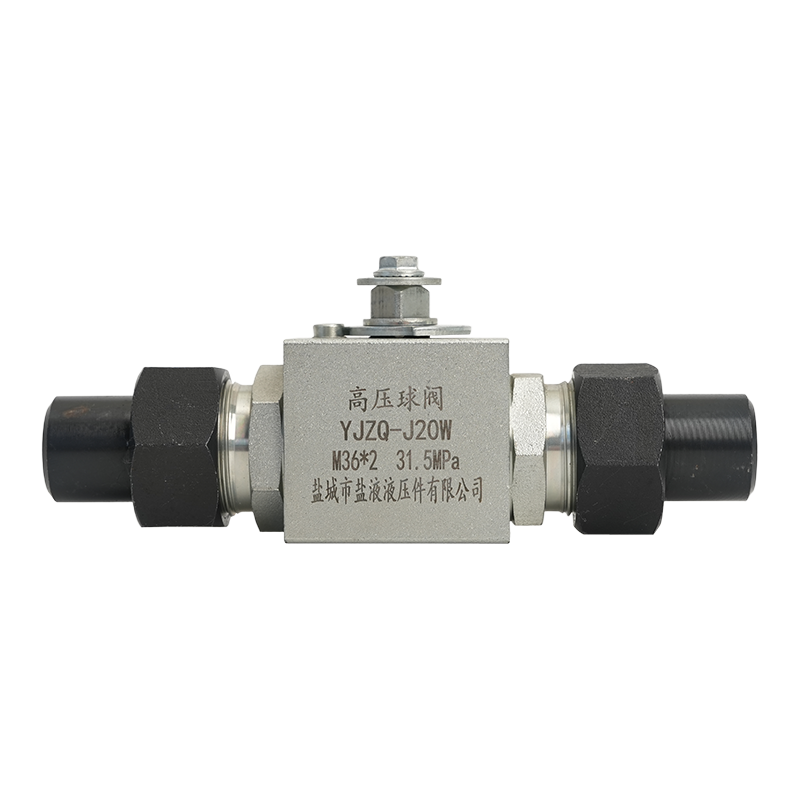
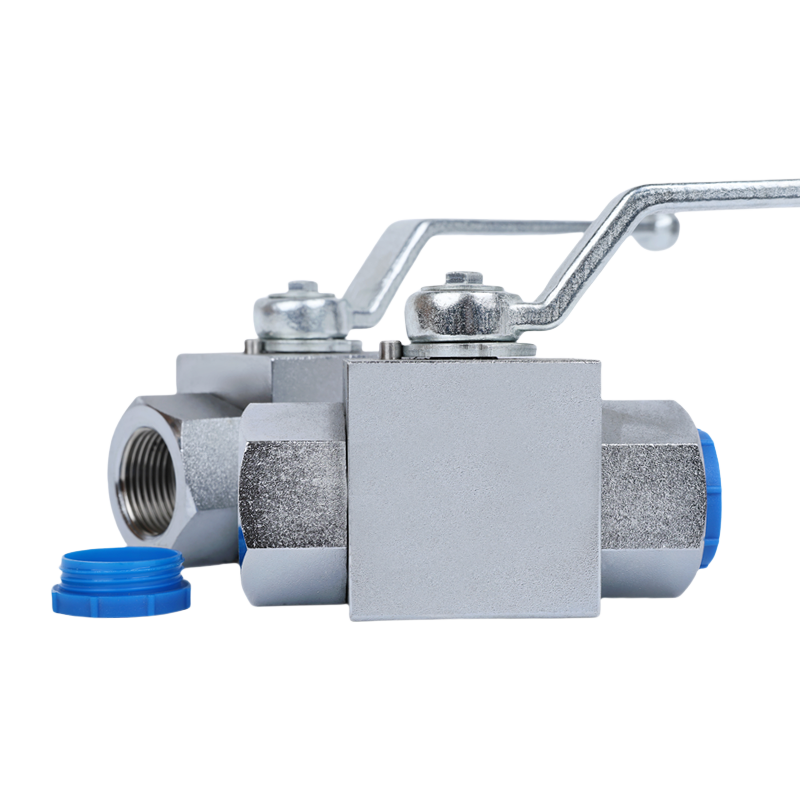
Flow & Sealing: Full-port designs offer minimal pressure drop and unobstructed flow for pigging or viscous media; tight shut-off is achieved via resilient seats (e.g., PTFE, RPTFE, PEEK) or metal-to-metal seats for high-temperature/abrasive service.
Limitations: Standard ball valves are poorly suited for fine throttling because flow rate changes nonlinearly with rotation angle and high-velocity flow near partial closure can erode seat edges (V-port or characterized balls mitigate this).
Typical Applications: Isolation and emergency shutdown in oil/gas pipelines, chemical dosing, compressed air, and general industrial utilities.
Flow & Sealing: When fully open, the disc retracts completely out of the flow path, providing a straight-through bore with very low head loss. Bi-directional sealing makes them effective for block isolation.
Limitations: Slow actuation (multi-turn) and unsuitable for throttling; partial opening subjects the gate and seat faces to severe flow-induced vibration and erosion, while chattering can damage seating surfaces.
Typical Applications: Main line isolation in water distribution, power plant steam/condensate headers, and large-diameter oil and gas transmission lines.
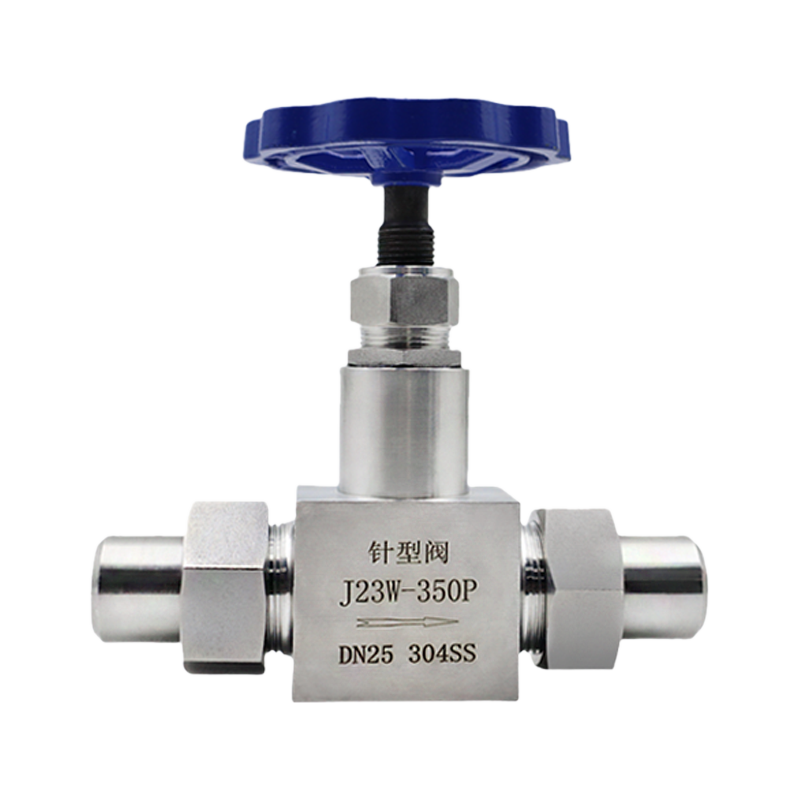
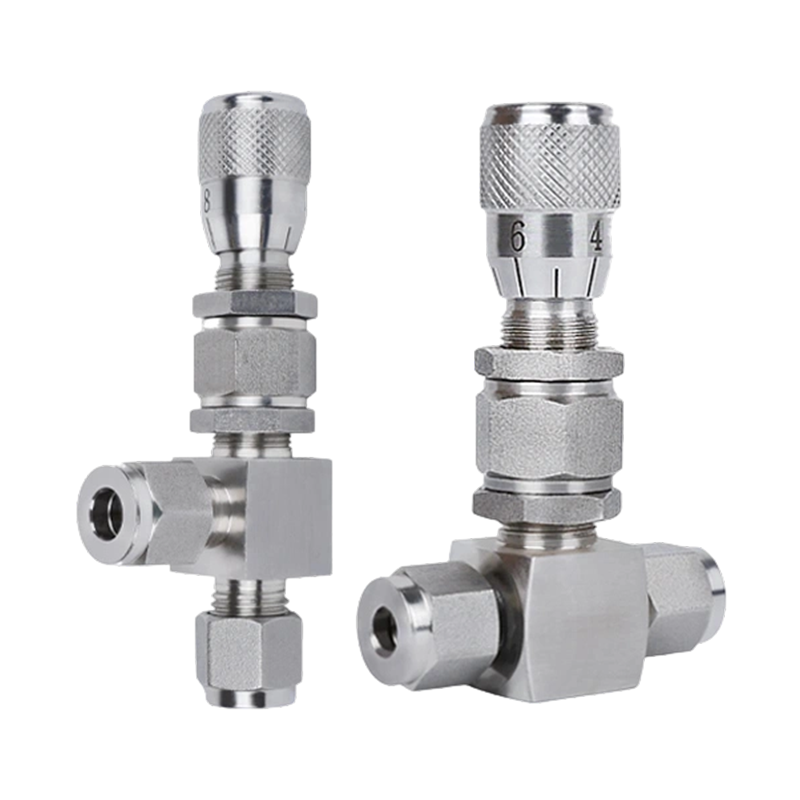
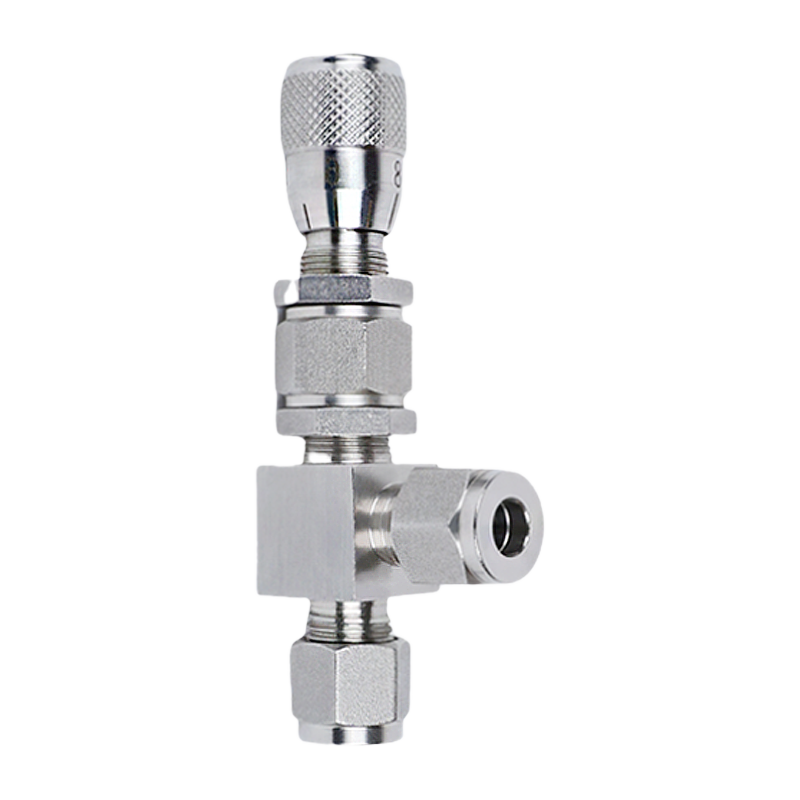
Flow & Sealing: The tortuous flow path and precise plug geometry enable accurate throttling and repeatable flow modulation. Positive metal or soft seating provides reliable shut-off.
Limitations: Directional flow requirement (typically flow under the plug to aid opening and prevent stem back-pressure issues) and relatively high pressure drop even when fully open.
Typical Applications: Flow regulation, bypass lines, boiler feedwater, steam control, and sampling/vent services where throttling precision matters more than low pressure drop.
Flow & Sealing: Quarter-turn operation enables rapid opening/closing, low weight, and short face-to-face dimensions in large nominal diameters. Concentric (resilient-lined) designs suit low-to-moderate pressure water/air service, whereas double- and triple-offset designs handle higher pressures, temperatures, and tight shut-off requirements.
Limitations: The disc remains in the flow path when open, creating moderate pressure drop and potential turbulence/cavitation at low opening angles.
Typical Applications: Large-bore HVAC chilled/condenser water, municipal water and wastewater treatment, firefighting mains, and flue gas or bulk air handling.
Flow & Sealing: Swing, lift, dual-plate (wafer), and tilting-disc designs open under forward differential pressure and close when flow decelerates or reverses.
Limitations: Susceptible to water hammer or slamming if closure lags rapid flow reversal; require sufficient forward differential pressure to stay fully open.
Typical Applications: Pump discharge protection, compressor lines, and prevention of backflow contamination or reverse rotation.
| Valve Type | Motion | Primary Duty | Pressure Drop (Open) | Throttling Capability | Key Strengths | Key Constraints |
| Ball | Quarter-turn rotary | On/Off isolation | Very low (full bore) | Poor (V-port fair) | Fast operation, bubble-tight shut-off, compact | Seat wear under throttling/particulates |
| Gate | Multi-turn linear | On/Off isolation | Very low | Poor | Straight-through flow, low head loss | Slow operation, vibration/erosion if throttled |
| Globe | Multi-turn linear | Throttling & regulation | High | Excellent | Precise flow control, good seat durability | High pressure drop, heavier/costlier in large sizes |
| Butterfly | Quarter-turn rotary | Isolation & moderate throttling | Low to moderate | Fair to good | Lightweight, space-saving, cost-effective large sizes | Disc obstruction in flow stream, torque peaks |
| Check | Self-actuated | Backflow prevention | Low to moderate | None | Automatic operation, no external power needed | Slamming/water hammer risk if improperly sized |
Process Medium & Phase: Liquid, gas, two-phase, steam, or abrasive/corrosive slurry dictates body metallurgy (e.g., carbon steel, stainless steel, duplex, alloyed steels) and trim/seat materials.
Pressure, Temperature, and Differential ($\Delta P$): Governing pressure class (e.g., ASME/ANSI Class or PN ratings) and thermal limits determine whether elastomeric seats are viable or metal-seated/bellows-sealed designs are required.
Cv / Kv Sizing & Cavitation/Flashing: For throttling duties, valve sizing must match required flow coefficients while checking for cavitation or flashing across high pressure drops.
Fugitive Emissions & Standards: Compliance with standards such as ISO 15848 or API 624/641 drives adoption of live-loaded stem packing and low-emission designs.
Actuation & Smart Diagnostics: Pneumatic, electric, and hydraulic actuators increasingly integrate positioners, partial-stroke testing (for safety instrumented systems), and wireless condition monitoring (torque/stroke signatures and cycle counting) to support predictive maintenance.
Recommended Products
Copyright © Yancheng Yanye Hydraulic Parts Co., Ltd. All Rights Reserved
Custom Ball Valve Factory
China Ball Valve Manufacturers




 English
 русский
 Español