HOME / PRODUCTS / High-pressure Ball Valve / 316/304 Stainless Steel Ferrule-Type Metering Needle Valve with Calibration for Vacuum Applications

Product Overview
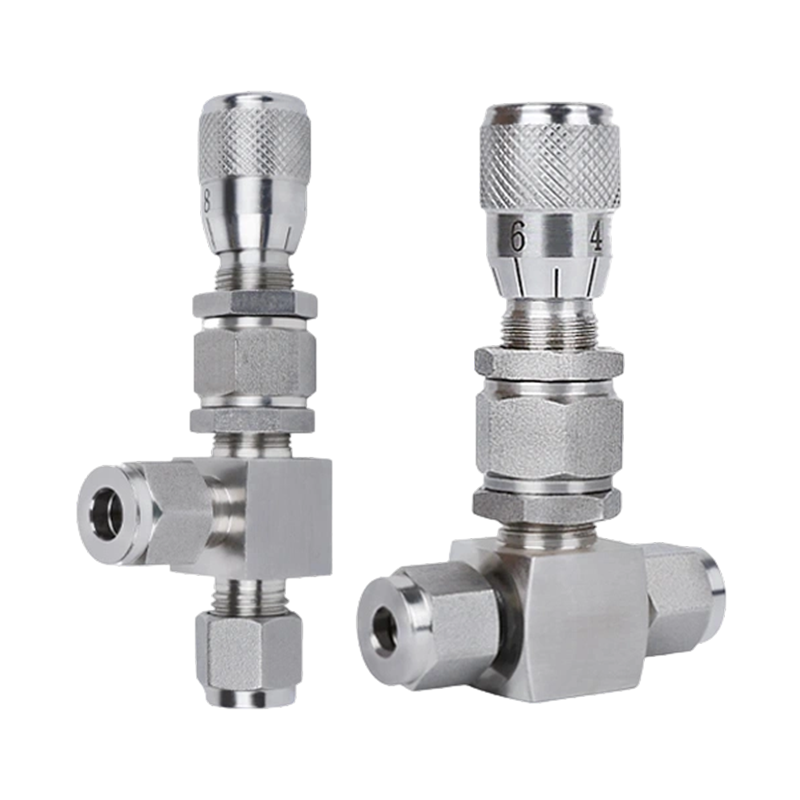
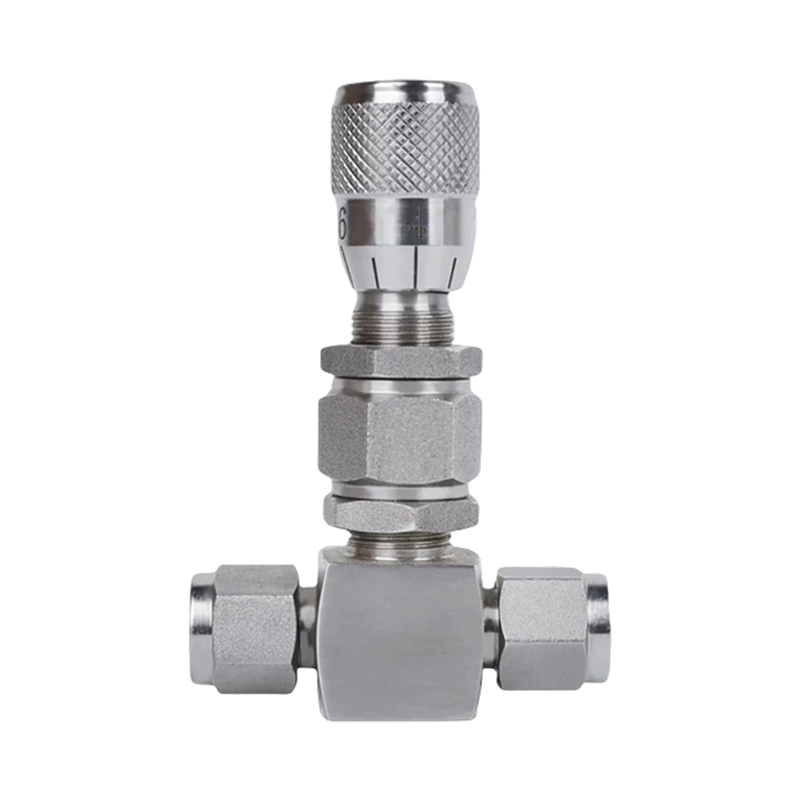
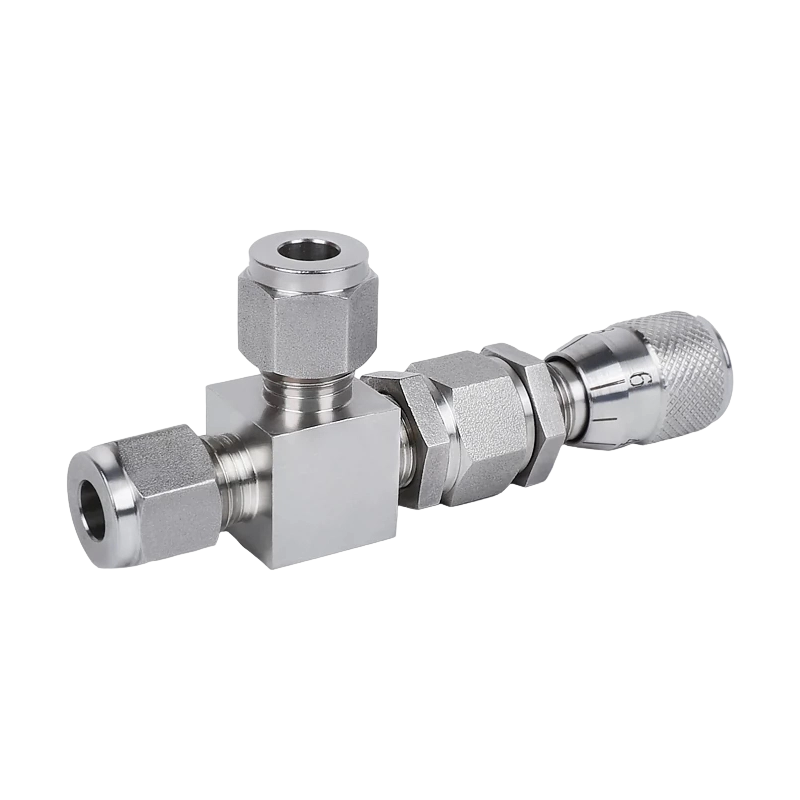
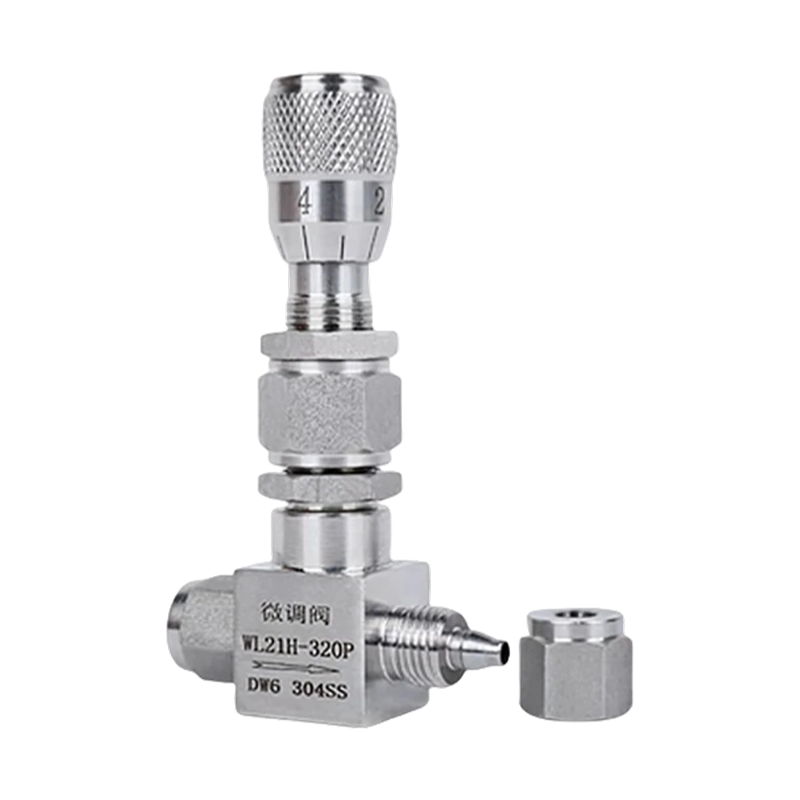
This product is a high-precision instrument valve designed specifically for accurate micro-adjustment and control of gas or liquid flow. It integrates switching, shut-off, and precise regulation functions, adopting a compression fitting connection and needle-type valve disc structure with intuitive flow adjustment scales. It is widely used in laboratories, petrochemical industry, gas industry, vacuum systems, analytical instruments and equipment, and other occasions requiring fine metering.
Core Features and Advantages
1. High-Precision Micro-Adjustment
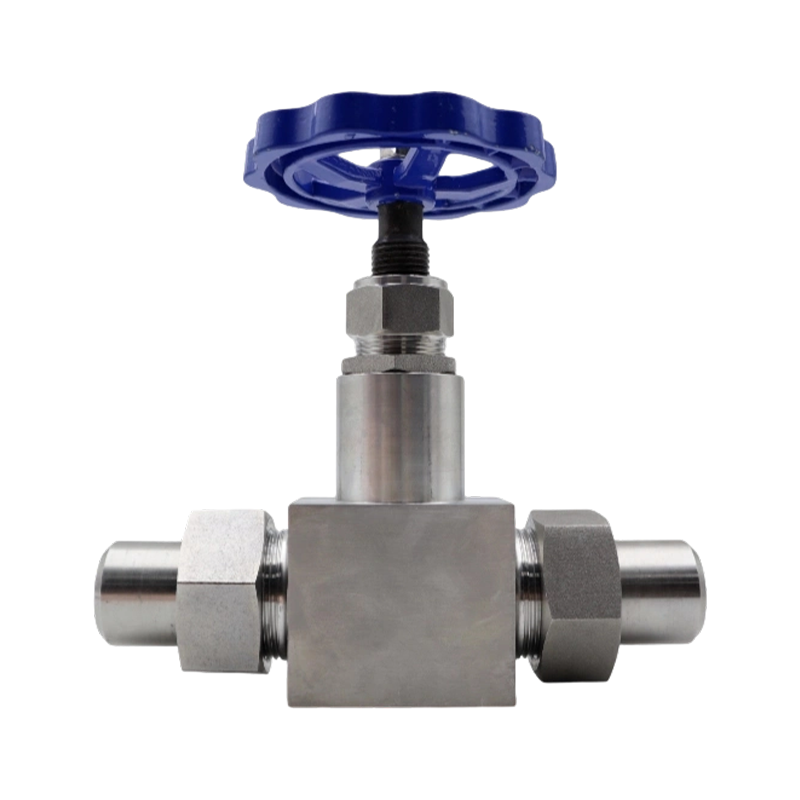
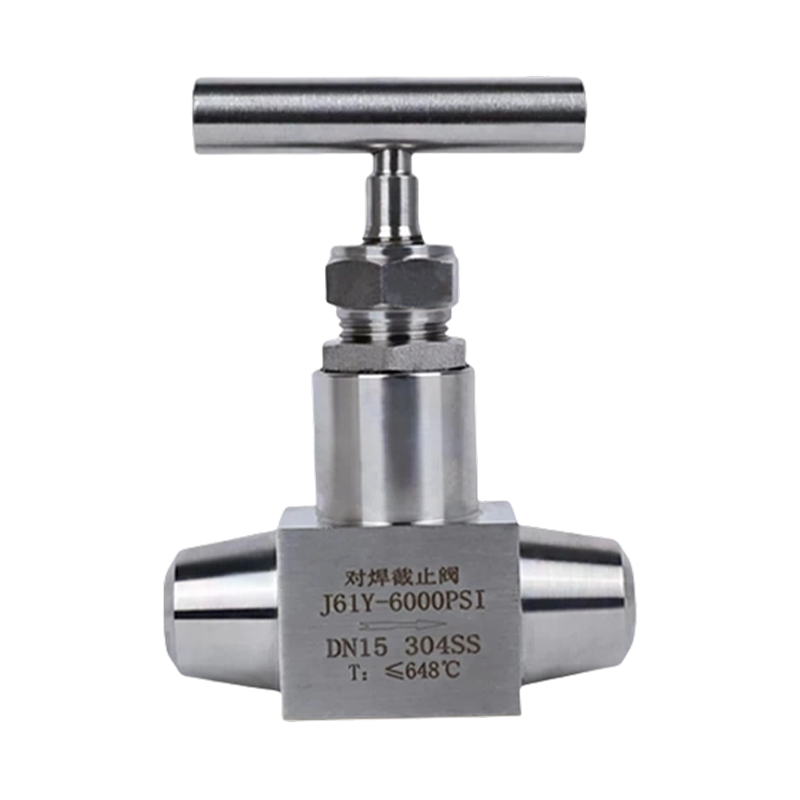
Needle-type valve stem: The valve core is conically needle-shaped. By rotating the handwheel, the valve stem is slowly and stably screwed into the valve seat, realizing the fine opening and closing of the flow channel, thereby achieving precise control of micro-flow.
Multi-turn rotation design: It usually requires multiple rotations (such as 10 turns, 15 turns or more) to switch from fully closed to fully open. This design greatly improves the adjustment precision, allowing operators to easily stabilize the flow at the desired set value.
2. Graduated Display for Quantitative Control
The top of the valve stem is equipped with a precision-graduated indicator dial (usually 0-10 or more divisions).
When the handwheel rotates, the dial rotates accordingly. Operators can quantify the adjustment amount according to the scale change, facilitating recording and repeating the same flow setting to achieve repeatable precise control.
3. Reliable Sealing and Connection
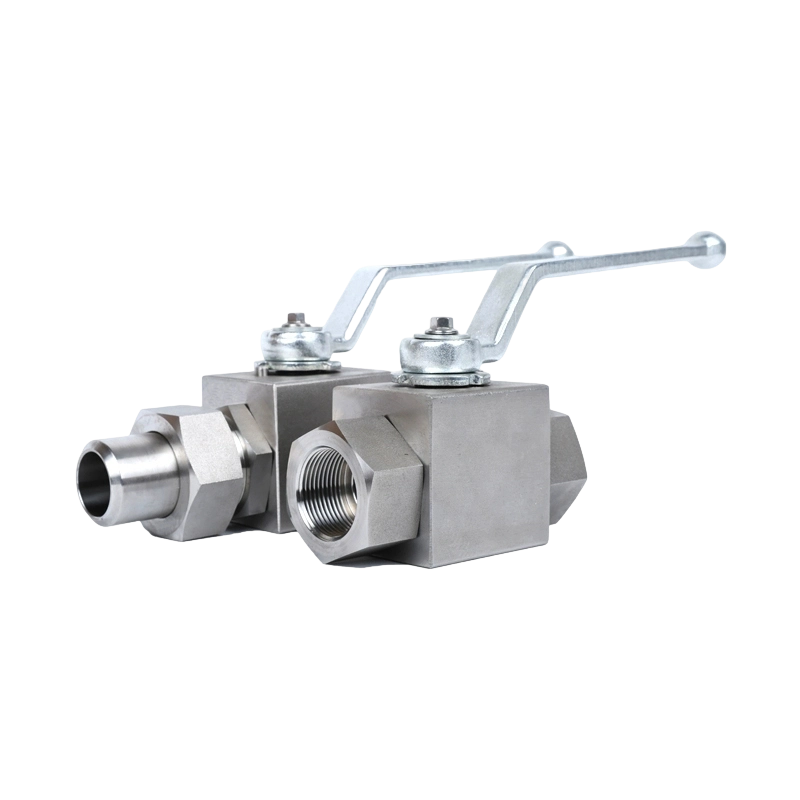
Compression fitting connection: This connection method is easy to install. Simply tighten the nut to firmly fix the valve to the pipeline (usually stainless steel pipe, copper pipe, etc.) through the clamping force of the ferrule, providing excellent sealing performance, high pressure resistance and vibration resistance.
High-quality sealing material: The valve stem seal is usually made of packing made of polytetrafluoroethylene (PTFE) or other high-performance materials, ensuring the valve achieves zero leakage even under high pressure or vacuum conditions.
4. Excellent Material and Wide Applicability
Valve body material: 304 stainless steel provides good corrosion resistance, capable of handling water, steam, oil, and various weakly corrosive gases and liquid media. It is suitable for occasions requiring high cleanliness.
Applicable media: Air, water, oil, steam, inert gases (such as nitrogen, argon), and many non-strongly corrosive chemical media.
Applicable working conditions: It can be used in positive pressure systems (such as high-pressure gas cylinder outlets) and vacuum systems (such as micro-adjustment of steam intake in vacuum pipelines).
Technical Parameters (Typical Values, Subject to Actual Product Page)
Connection method: Compression fitting (e.g., ferrule inner diameter: Φ6, Φ8, Φ10mm, etc.)
Interface thread: Usually G1/4", G3/8", G1/2" or other external or internal threads.
Pressure range: Maximum working pressure up to 10MPa or higher.
Vacuum degree: Up to 10⁻⁴ Pa (depending on the sealing design).
Applicable temperature: -20℃ to +200℃ (limited by the sealing material).
Medium direction: Generally a one-way valve. The valve body is usually marked with an arrow indicating the medium flow direction, which should be noted during installation.
Typical Application Scenarios
Laboratory equipment: Reaction kettle air intake control, gas chromatograph (GC) carrier gas flow path, laboratory small-scale fermenters, etc.
Vacuum systems: Used to accurately and slowly inject process gas into the vacuum chamber.
Process instruments: As an isolation and regulating valve at the front end of instruments such as pressure gauges and flow meters.
Gas industry: High-purity gas pipelines, gas analysis equipment, welding protection gas flow control.
Sampling systems: Extract micro-samples from the main pipeline for on-line analysis.
Key Purchase Tips
When browsing web products, please be sure to confirm the following information:
1. Interface size: Verify that the valve's interface thread specification and ferrule inner diameter match your pipeline.
2. Pressure class: Ensure the valve's maximum working pressure (PN/MPa) is higher than the maximum pressure of your system.
3. Medium compatibility: Confirm that 304 stainless steel and sealing materials can withstand the medium you are using.
4. Flow characteristics: Whether more precise adjustment turns are required.
5. Brand and qualifications: Choose a reputable brand and check for relevant certifications (such as CE).
We hope this detailed introduction helps you fully understand this product!
A pneumatic actuated ball valve is the most cost-effective way to automate on-off control in industrial fluid lines that already have a compressed-air supply. It is simply a quarter-turn ball valve driven by a pneumatic actuator that rotates the ball 90 degrees to open or close the line. The three decisions that deter...
View MoreThe straightforward answer is that most two-way ball valves are bidirectional, but flow direction still matters for three-way valves, unidirectional seat designs, and high-pressure applications where reverse flow can damage the sealing elements. This article explains exactly when flow direction is critical, how to ide...
View MoreFinding a reliable 3 way control valve manufacturer comes down to three measurable factors: pressure class, body material, and connection type. These three variables cause the majority of early-life valve failures in industrial service. For example, a hydraulic test bench running at 31.5 MPa will quickly destroy a va...
View More
Copyright © Yancheng Yanye Hydraulic Parts Co., Ltd. All Rights Reserved




 English
  русский
  Español