


 English
  русский
  Español

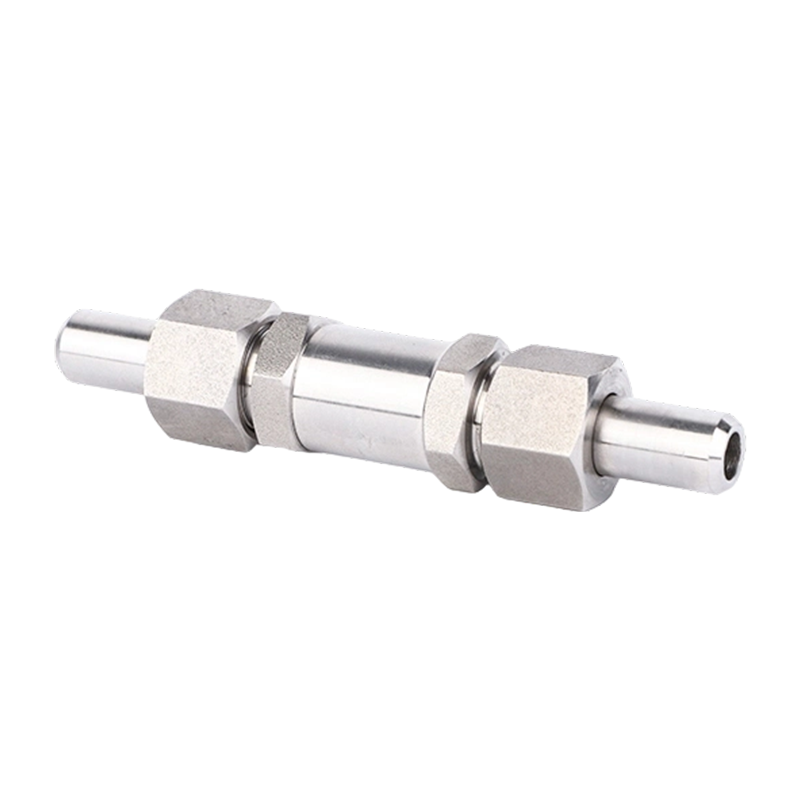
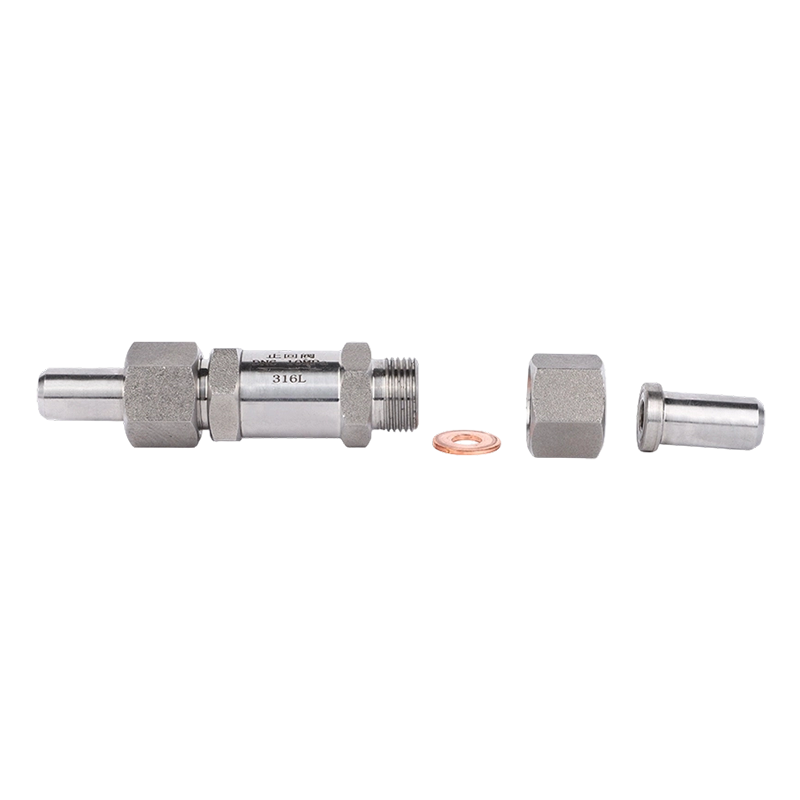
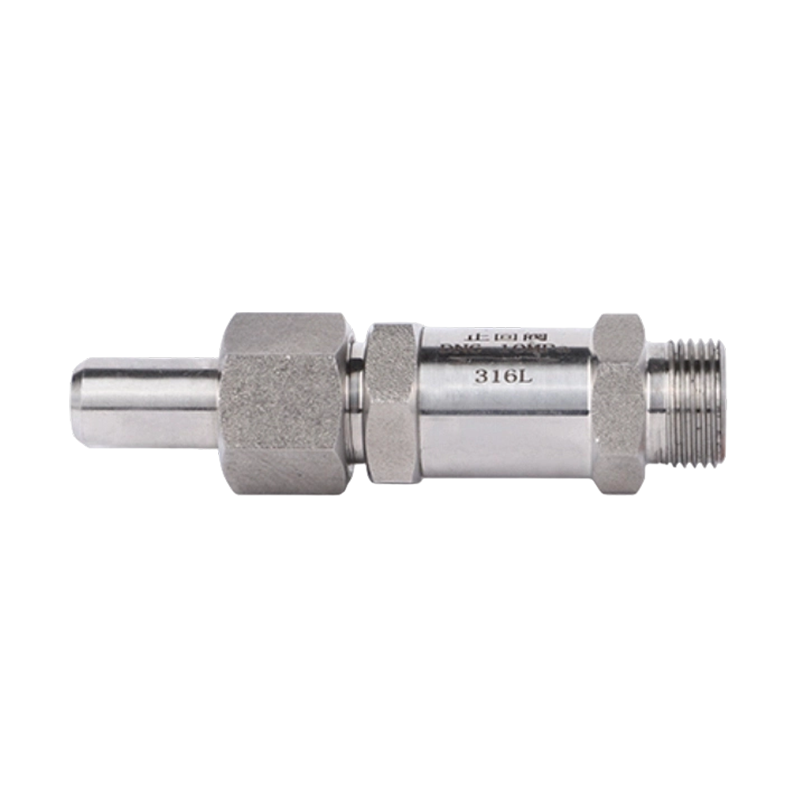
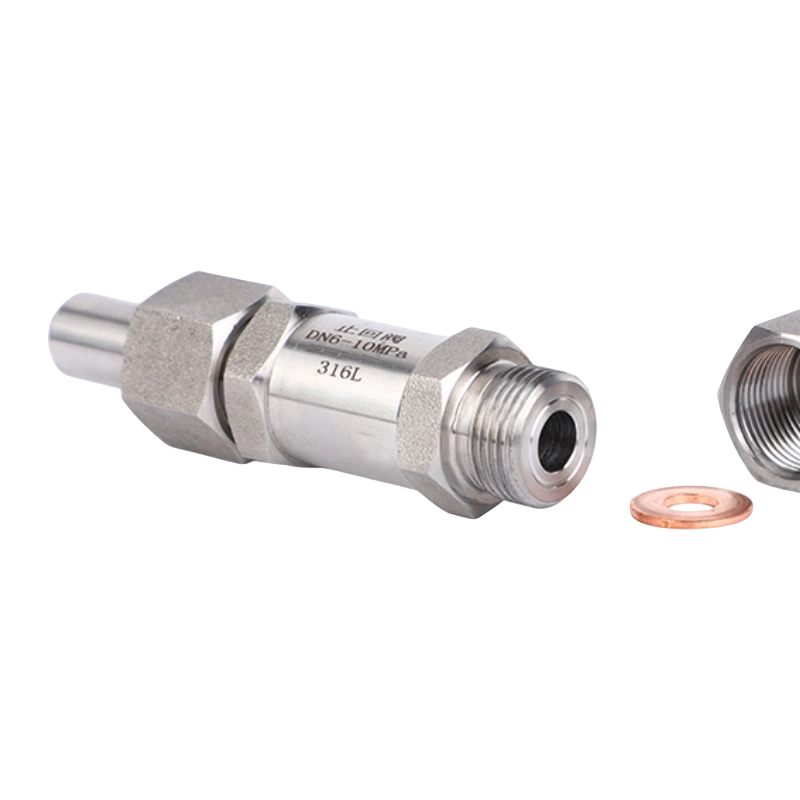
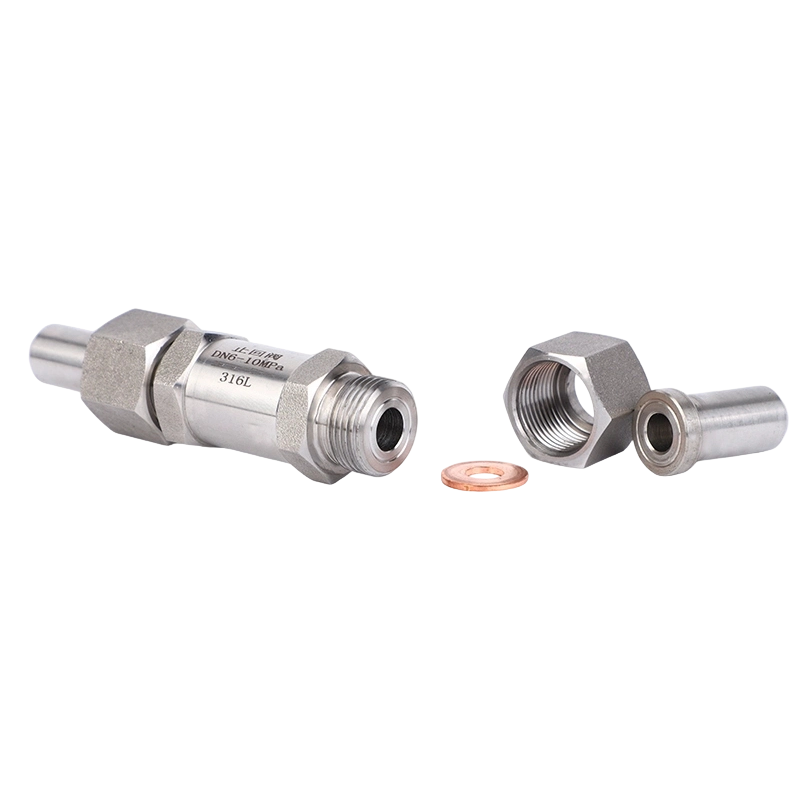
Stainless Steel Check Valve, Straight Through Welded High-Pressure Check Valve, Zero Leakage High-Pressure Stainless Steel Non-Return Valve
Zero Leakage · High-Pressure Working Conditions · Reliable Non-Return
 HOME / PRODUCTS / Fireproof Valve / Stainless Steel Check Valve, Straight Through Welded High-Pressure Check Valve, Zero Leakage High-Pressure Stainless Steel Non-Return Valve
Product Overview
The stainless steel high-pressure check valve is a key safety component for hydraulic systems and high-pressure pipelines. Adopting a straight-through welded structure, it is specially designed for harsh working conditions. The product realizes the one-way shut-off function through the precision-machined valve core and valve seat, effectively preventing medium backflow and ensuring system safety. The valve body is made of stainless steel and supports welded connection, meeting the requirement of zero leakage. It is widely used in hydraulic, petrochemical, energy and other fields.
Product Features
1. High-Pressure Zero Leakage Design
2. Advantages of Stainless Steel Valve Body
3. Straight-Through Welded Structure
4. Intelligent Opening and Closing Characteristics
Core Parameters
| Item | Parameter |
| Valve Body Material | 304 Stainless Steel / 316L Stainless Steel |
| Pressure Rating | Maximum 42MPa (PN420) |
| Connection Method | Welded (Butt Welding / Socket Welding) |
| Cracking Pressure | 0.01~0.1MPa (Adjustable) |
| Operating Temperature | -30℃~200℃ |
| Sealing Material | Reinforced PTFE / Metal Seal |
| Applicable Media | Hydraulic Oil, Water, Chemicals, etc. |
Application Fields
Selection Guide
Selection by Medium
| Medium Type | Recommended Material | Sealing Form |
| Hydraulic Oil / Water | 304 Stainless Steel | PTFE Soft Seal |
| Chemical Media | 316L Stainless Steel | Metal Hard Seal |
| High-Temperature Media | 316L Stainless Steel | Metal Seal |
Selection by Pressure
Quality Assurance
Service Support
We provide professional technical selection, installation guidance and after-sales support, and can customize special specifications according to requirements. Need selection support? Please contact us for free technical consultation! [Obtain Sample] [Technical Consultation] [Online Quotation]
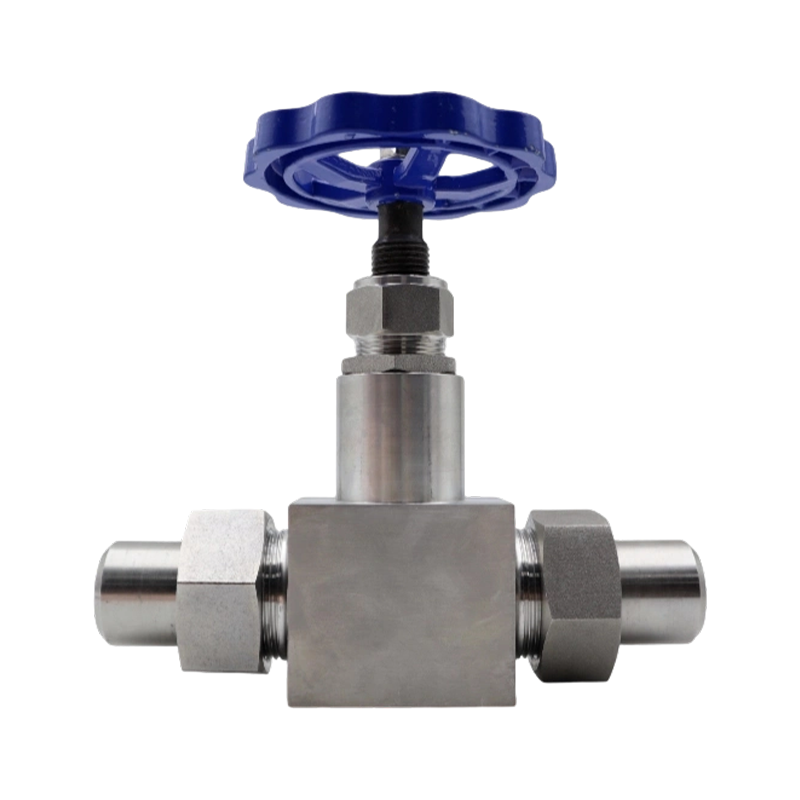
A petrochemical facility in the Gulf region had to dispatch two operators per shift to manually throttle six high-pressure letdown valves. Each adjustment took roughly four minutes, and the downstream pressure drifted by up to 12 percent between corrections. After retrofitting those valves with pneumatic actuators and...
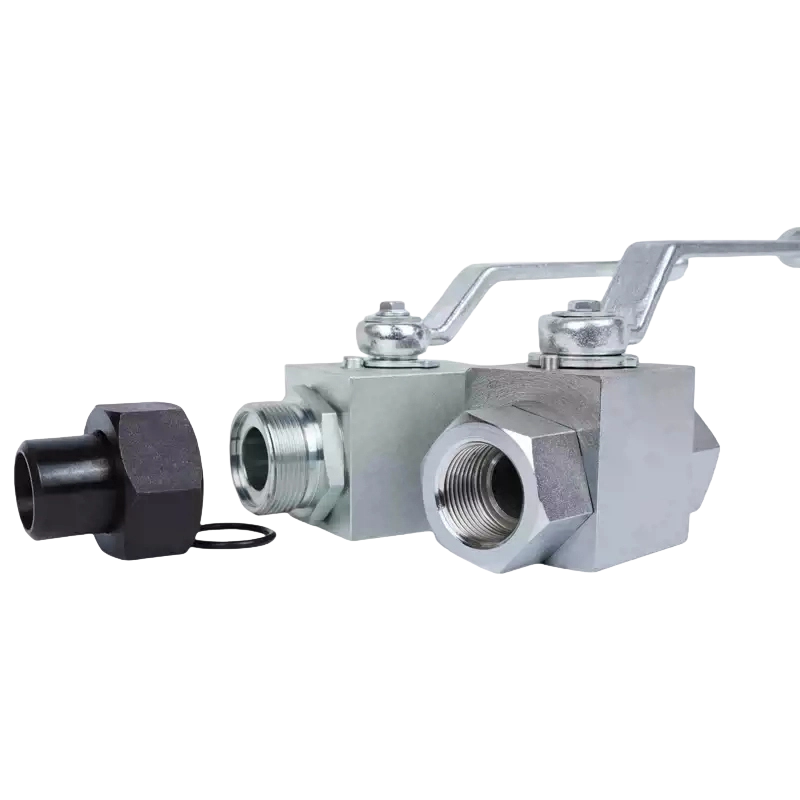
View MoreA pneumatic actuated ball valve is the most cost-effective way to automate on-off control in industrial fluid lines that already have a compressed-air supply. It is simply a quarter-turn ball valve driven by a pneumatic actuator that rotates the ball 90 degrees to open or close the line. The three decisions that deter...
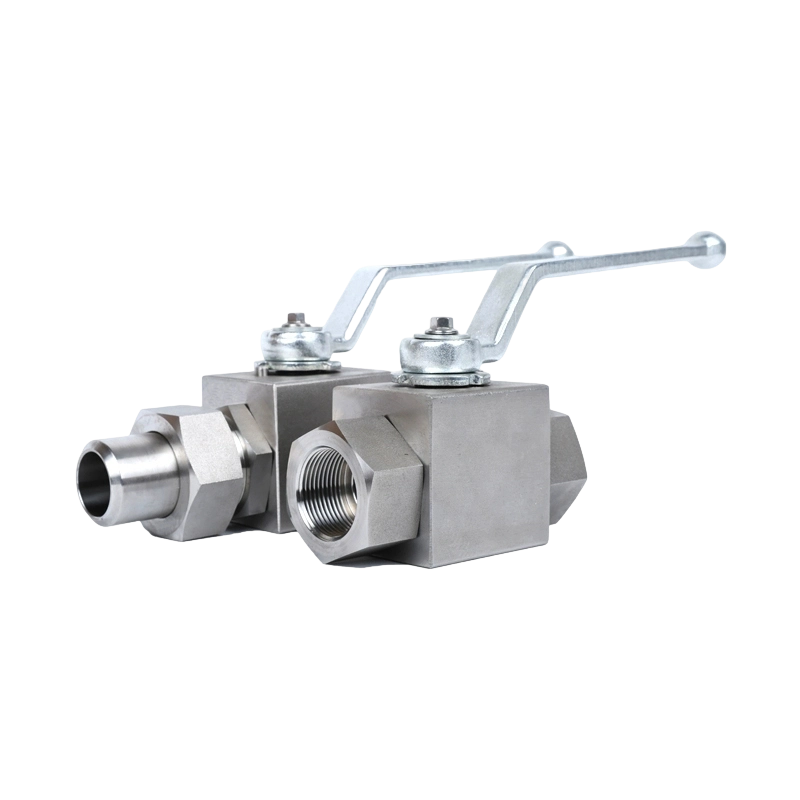
View MoreThe straightforward answer is that most two-way ball valves are bidirectional, but flow direction still matters for three-way valves, unidirectional seat designs, and high-pressure applications where reverse flow can damage the sealing elements. This article explains exactly when flow direction is critical, how to ide...
View More
Copyright © Yancheng Yanye Hydraulic Parts Co., Ltd. All Rights Reserved