HOME / PRODUCTS / High-pressure Ball Valve / KHB Hydraulic High-Pressure Ball Valve YJZQ Internal/External Thread Welded Ball Valve, Stainless Steel Pneumatic Ball Valve On/Off
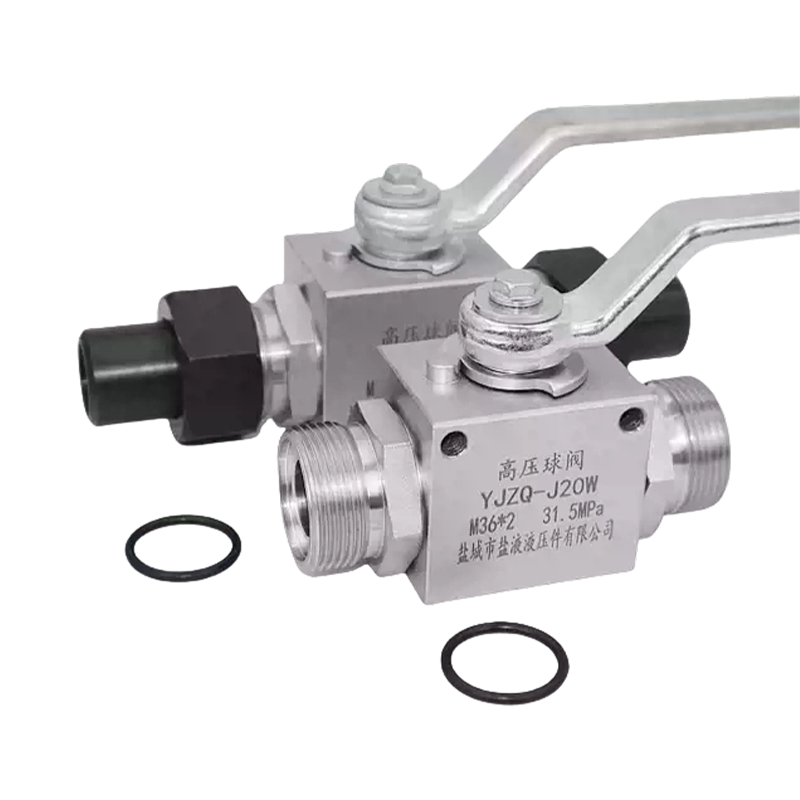
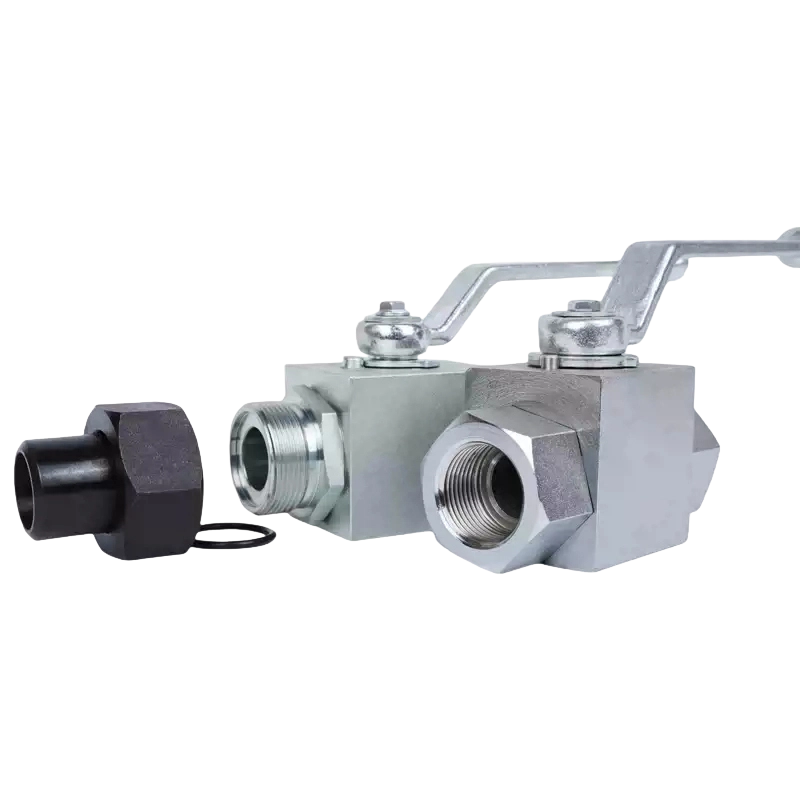
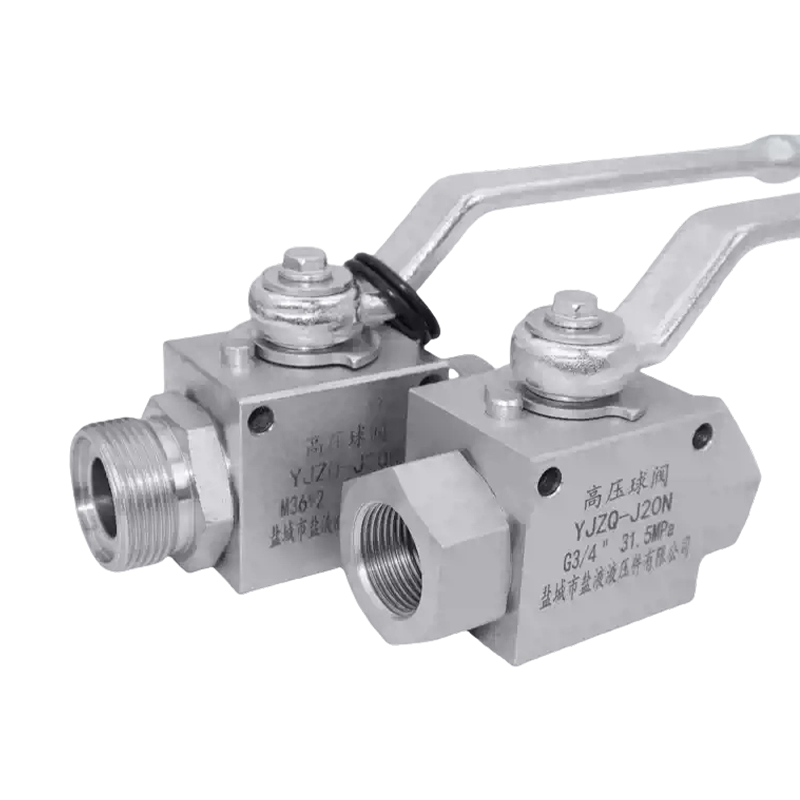
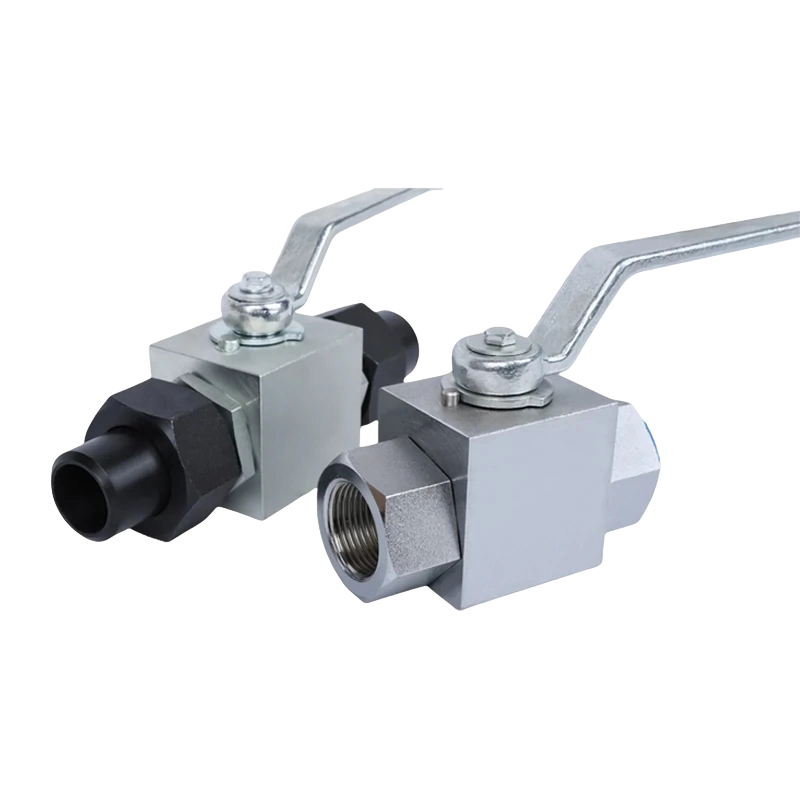

Product Overview
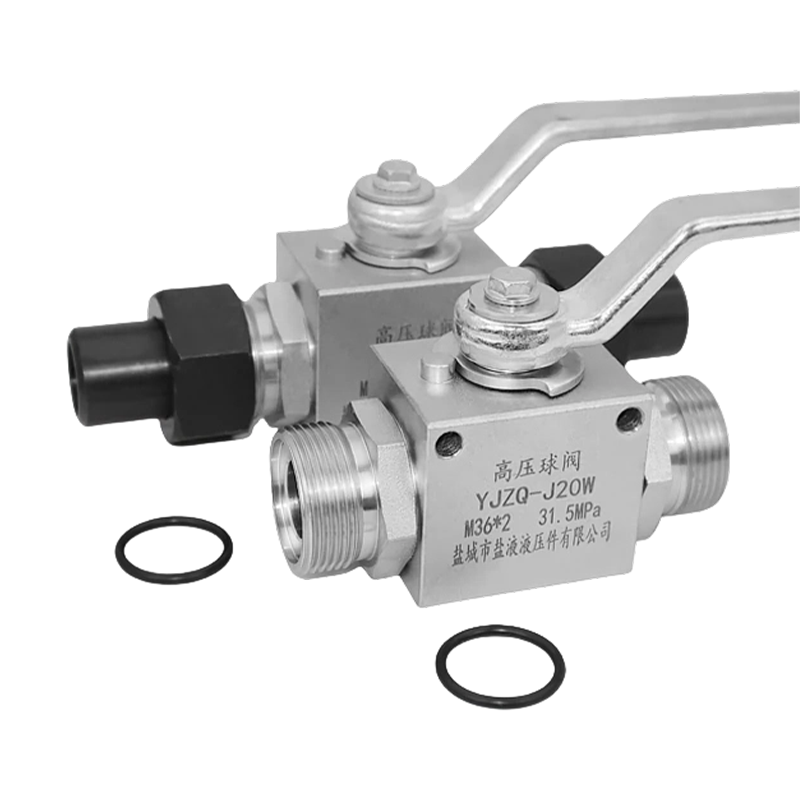
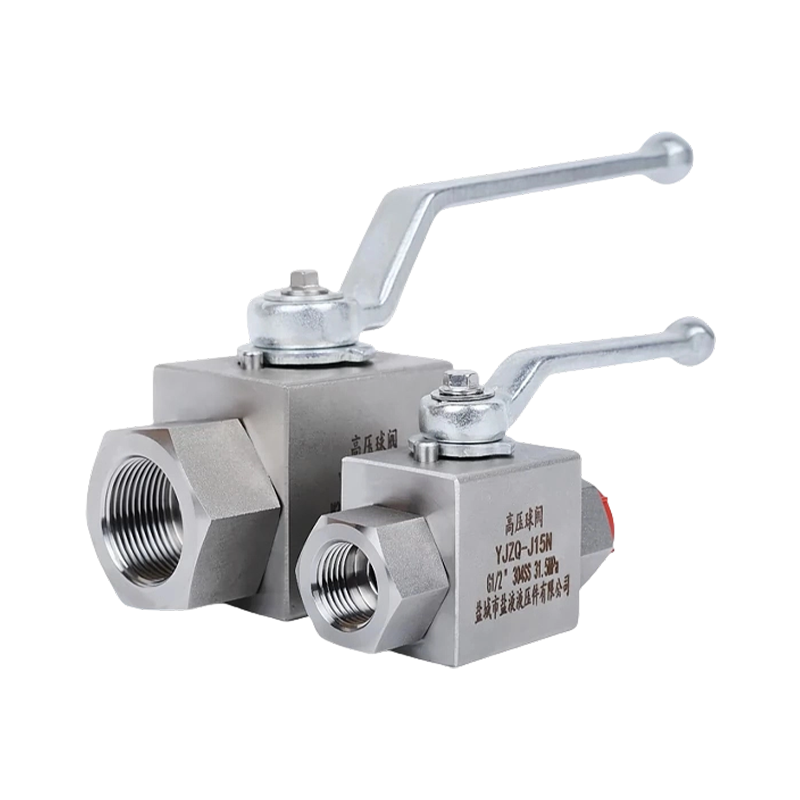
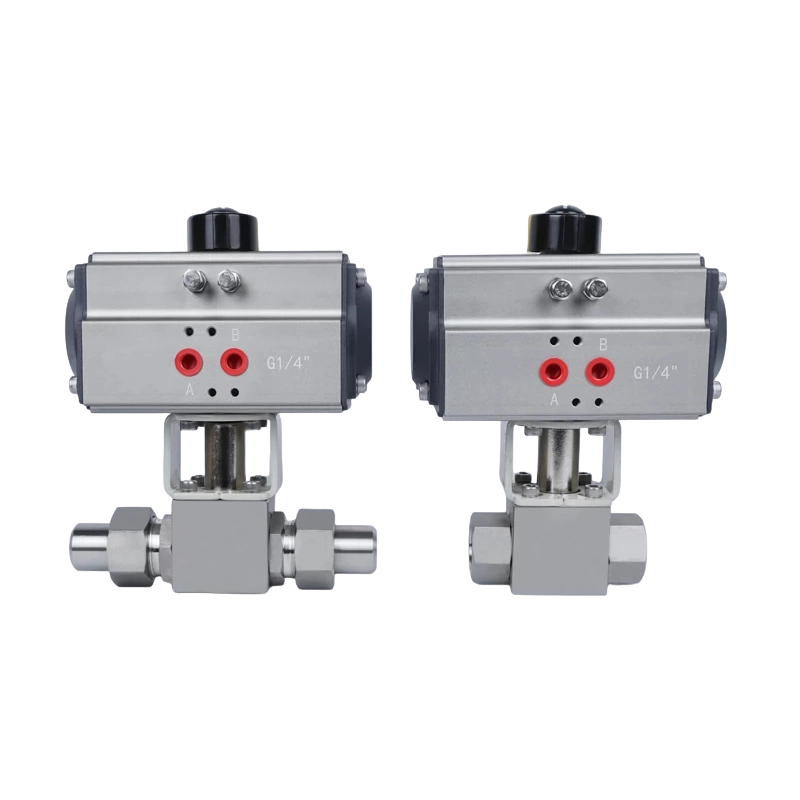
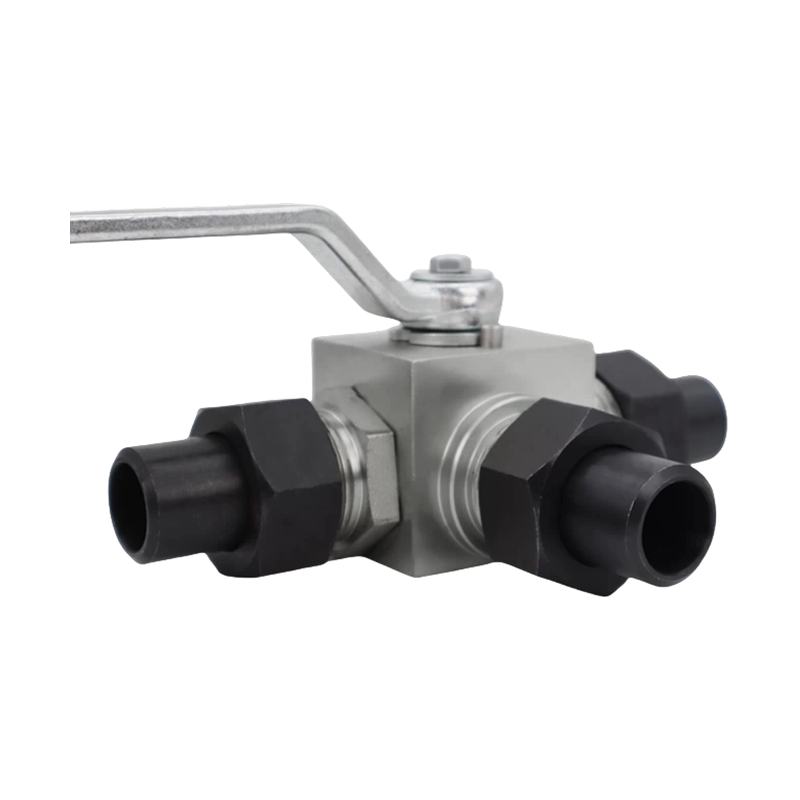
This product is a high-pressure ball valve specifically designed for harsh working conditions. Its core features include welded or internal/external threaded connections, and the valve body is usually made of stainless steel to ensure reliable and durable shut-off performance in high-pressure, high-impact hydraulic systems or other medium pipelines. The "pneumatic" option in the product name indicates that the valve can be equipped with a pneumatic actuator to realize remote automatic on-off control.
Analysis of Core Features
1. High-Pressure Bearing Capacity
This is the primary feature of the valve. Designed specifically for hydraulic systems, it means its rated working pressure is much higher than that of ordinary water or gas ball valves, usually reaching 21MPa, 31.5MPa or even higher. The valve body is thickened and reinforced to withstand high internal pressure.
2. Multiple Connection Methods, Sturdy and Reliable
3. High-Quality Materials and Durability
4. Modular Design (Meaning of "Pneumatic" Option)
Technical Parameters (Typical Values, Subject to Actual Product Page)
•Valve Body Material: 304 Stainless Steel, 316 Stainless Steel
•Connection Method: Welded, Internal Thread (e.g., NPT, G), External Thread
•Nominal Diameter: DN6, DN8, DN10, DN15, DN20, DN25, etc. (usually small diameter)
•Pressure Rating: PN25MPa, PN40MPa or higher (e.g., 3000psi, 6000psi)
•Applicable Temperature: -20℃ to +200℃ (limited by sealing material)
•Applicable Medium: Hydraulic oil, water, gas, steam, weakly corrosive chemical media, etc.
•Drive Method: Manual lever/handle (standard configuration), optional pneumatic actuator (optional)
Typical Application Scenarios
•Hydraulic machinery and equipment: High-pressure oil circuits of injection molding machines, die-casting machines, construction machinery (excavators, cranes), hydraulic stations, etc.
•Petrochemical industry: Chemical transportation and process pipelines.
•Power station equipment: High-pressure water and steam systems.
•Natural gas equipment: Gas transportation and control.
•Automated production lines: As a key executive component in the pneumatic control circuit.
Purchasing Key Points Tips
When browsing the webpage, please be sure to confirm the following key information:
1.Pressure Rating: Ensure that the nominal pressure of the valve is higher than the maximum working pressure of your system, with a safety margin.
2.Connection Method and Size: Clarify whether you need welded or threaded connection? If it is threaded, is it NPT, G or metric? The interface size (e.g., 1/4 inch, 3/8 inch) must match.
3.Medium Compatibility: Confirm whether the stainless steel material and sealing material (such as PTFE) are suitable for your medium (especially corrosive chemicals).
4.Need for Pneumatic Actuator: If automatic control is required, confirm whether to purchase the valve body alone or the complete set of "valve + actuator". And clarify the air source pressure of the actuator, switch type (double-acting/single-acting) and other parameters.
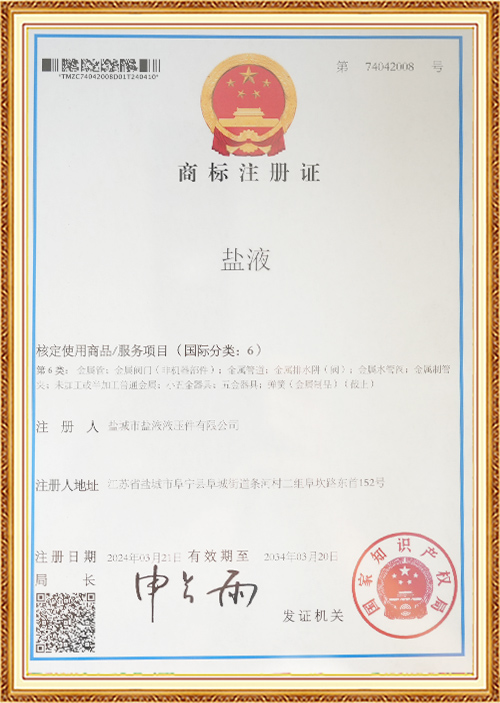
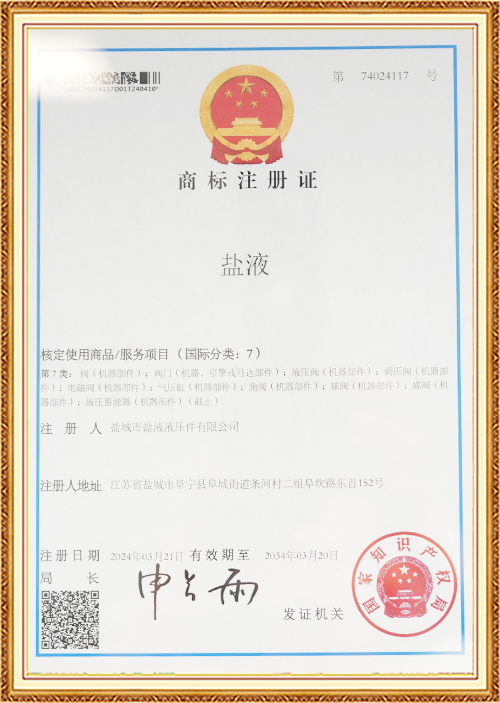
5.Brand and Certification: "KHB" and "YJZQ" may be brand or series codes. Check whether the product has relevant quality certifications.
Summary: This valve is a sturdy, high-pressure and multi-purpose industrial ball valve. Its stainless steel valve body and welded/threaded connection methods ensure reliability in high-pressure and harsh environments, while the modular design provides flexibility from manual control to automatic control. It is an ideal choice for reliable shut-off in hydraulic systems and high-demand industrial pipelines.
A pneumatic actuated ball valve is the most cost-effective way to automate on-off control in industrial fluid lines that already have a compressed-air supply. It is simply a quarter-turn ball valve driven by a pneumatic actuator that rotates the ball 90 degrees to open or close the line. The three decisions that deter...
View MoreThe straightforward answer is that most two-way ball valves are bidirectional, but flow direction still matters for three-way valves, unidirectional seat designs, and high-pressure applications where reverse flow can damage the sealing elements. This article explains exactly when flow direction is critical, how to ide...
View MoreFinding a reliable 3 way control valve manufacturer comes down to three measurable factors: pressure class, body material, and connection type. These three variables cause the majority of early-life valve failures in industrial service. For example, a hydraulic test bench running at 31.5 MPa will quickly destroy a va...
View More
Copyright © Yancheng Yanye Hydraulic Parts Co., Ltd. All Rights Reserved




 English
  русский
  Español