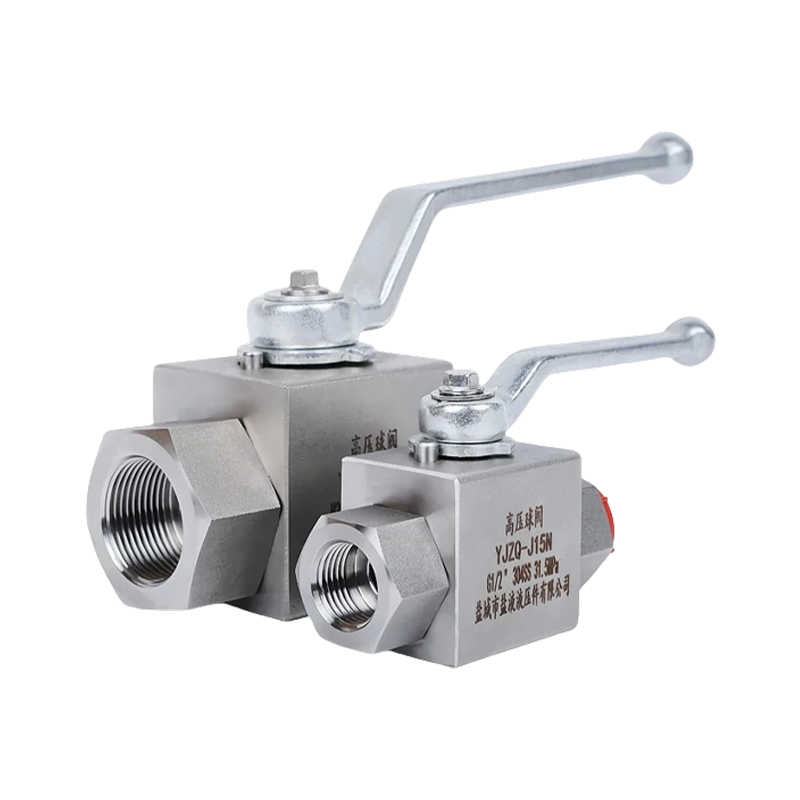
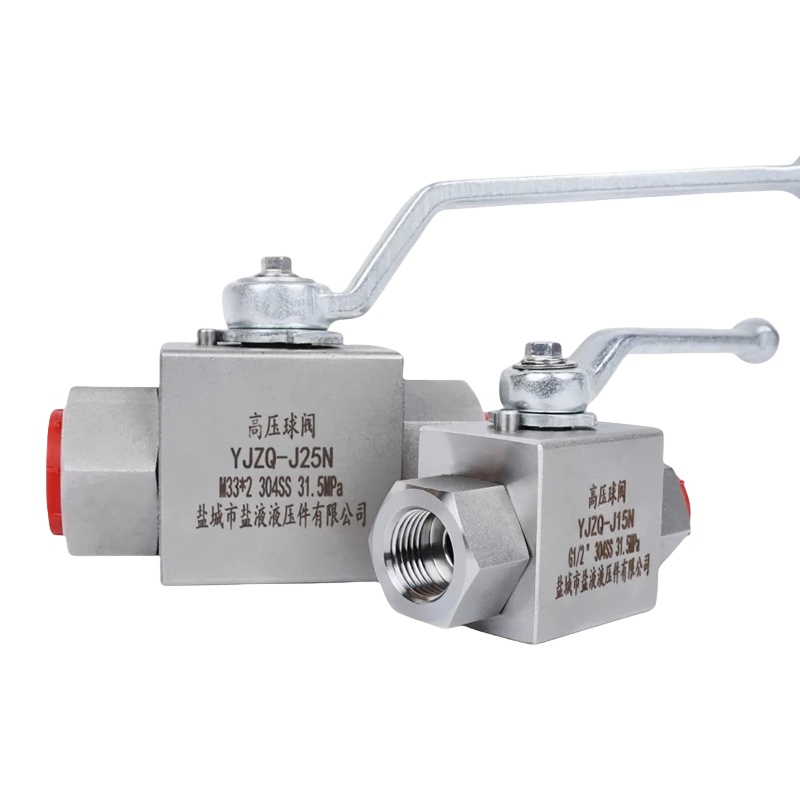
HOME / PRODUCTS / High-pressure Ball Valve / Existing-1-KHB YJZQ 304/316L Stainless Steel Carbon Steel Internal Thread High-Pressure Ball Valve High-Temperature & High-Pressure On/Off Valve
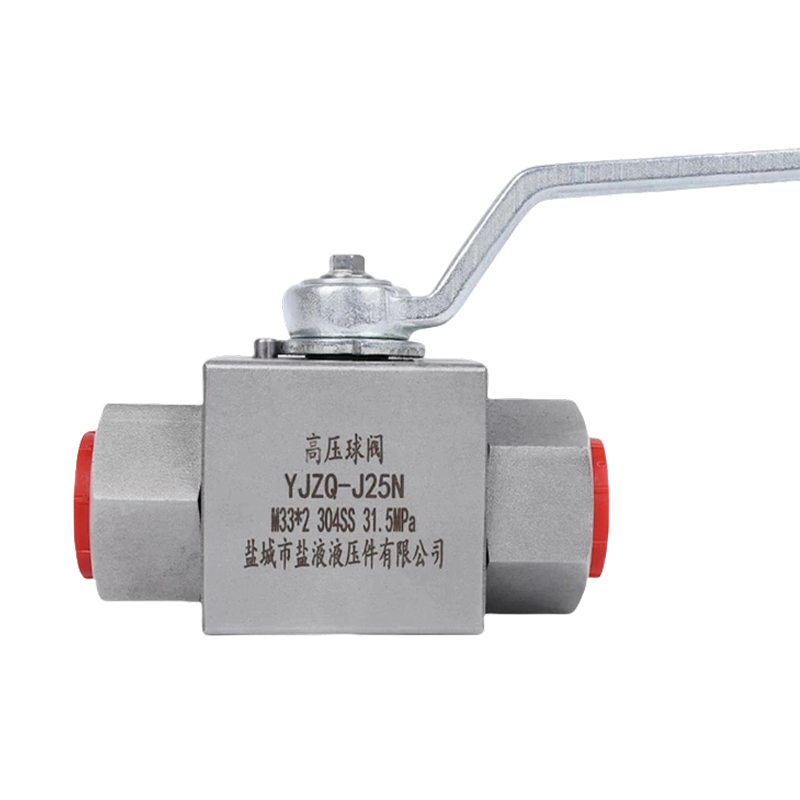
Product Overview
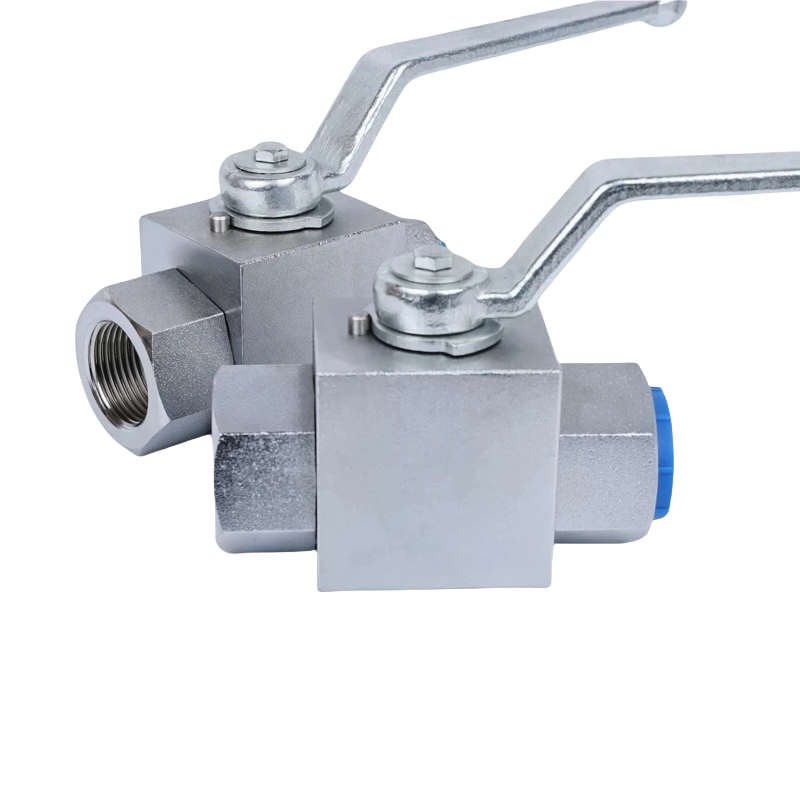
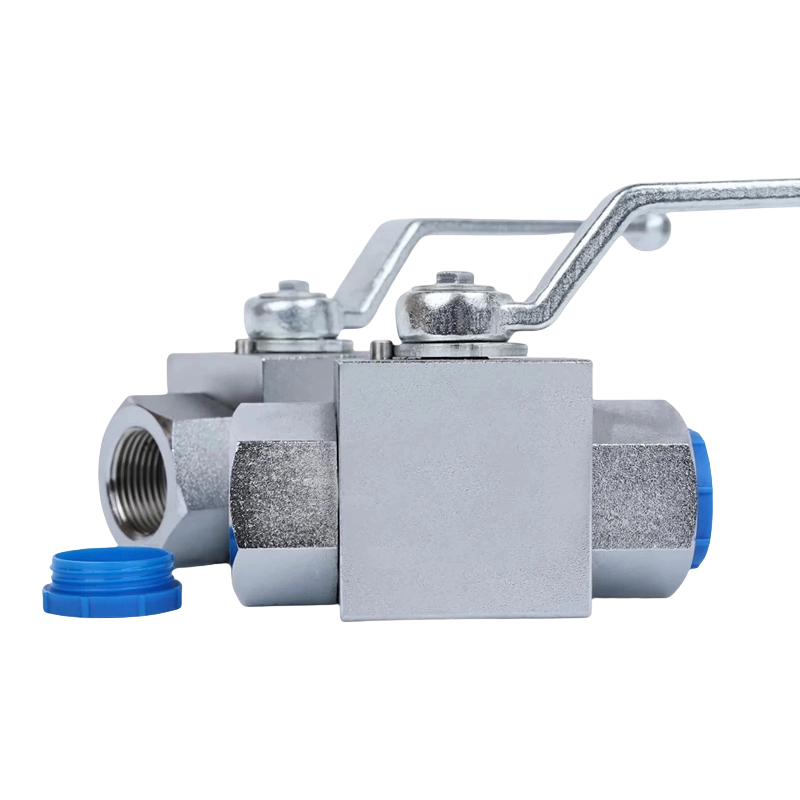
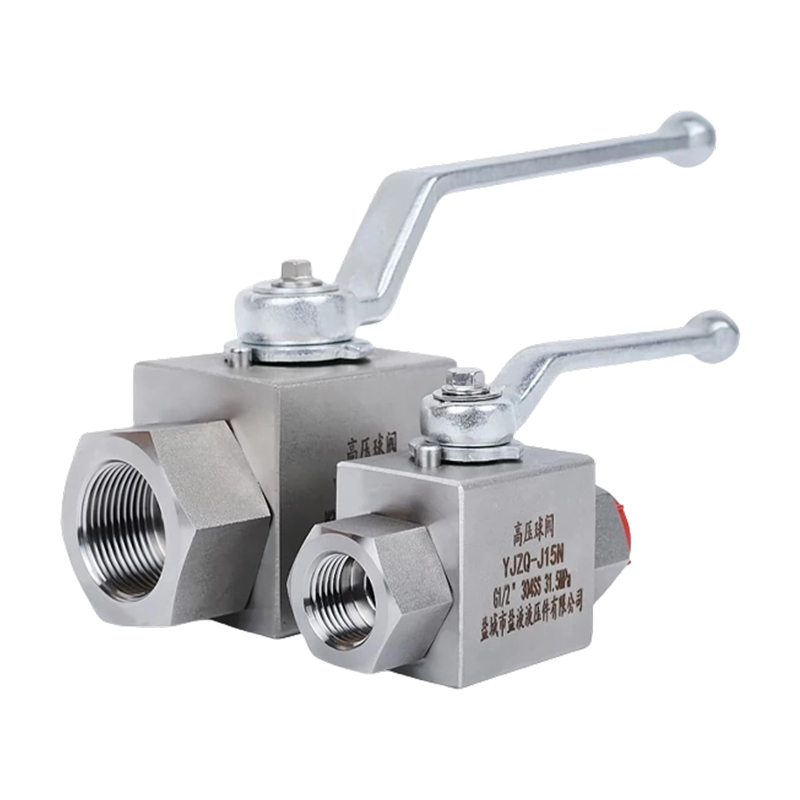
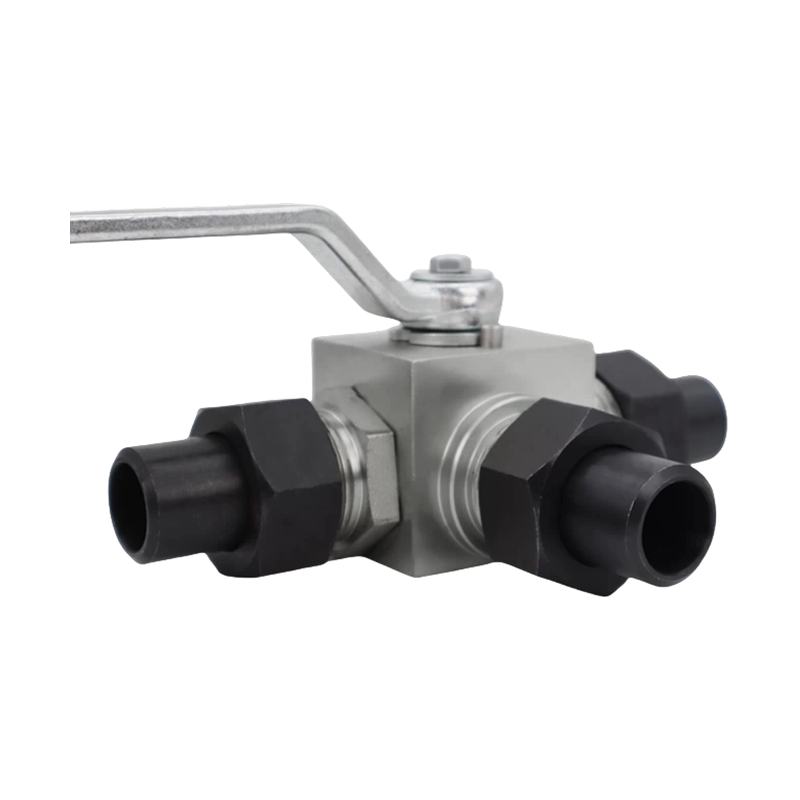
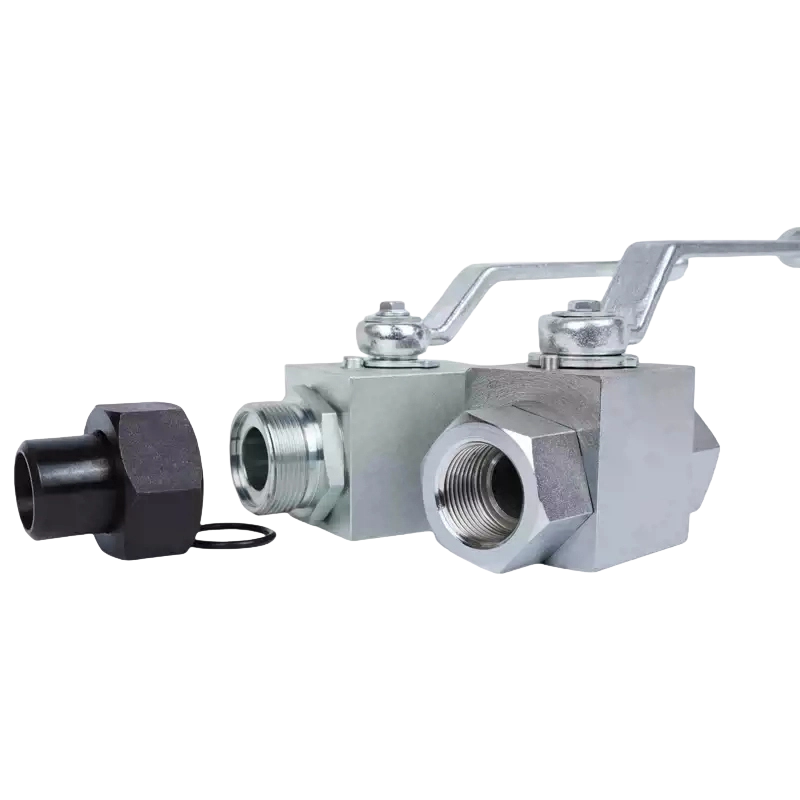
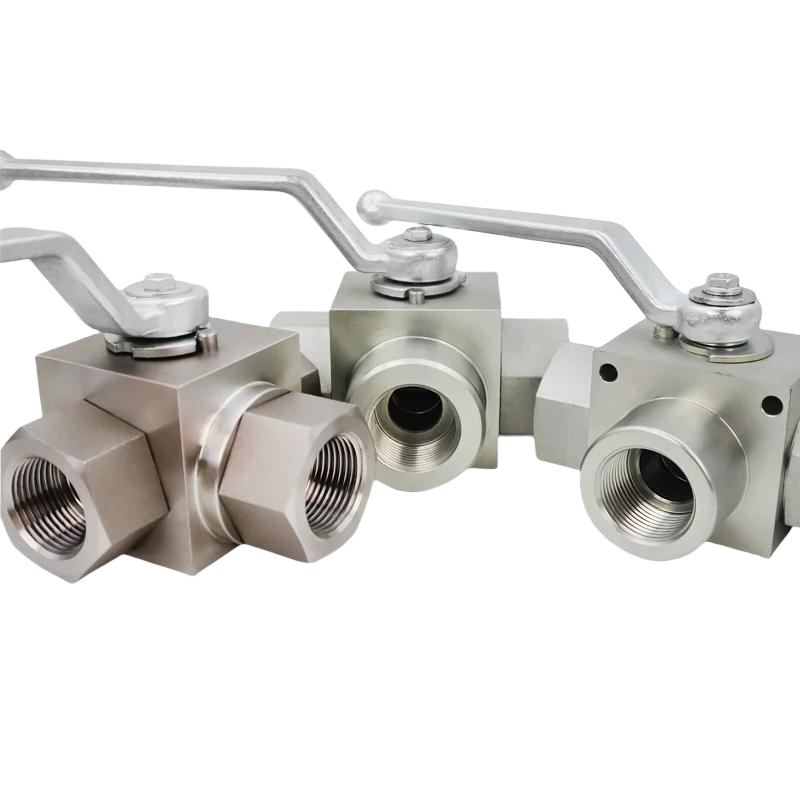
The KHB-YJZQ series internal thread high-pressure ball valve is an industrial valve specially designed for high-temperature and high-pressure working conditions. It adopts a valve body made of 304/316L stainless steel or carbon steel, equipped with internal thread connections. The product features a compact structure, reliable sealing, and strong corrosion resistance, and is suitable for the on-off control of harsh working conditions involving steam, oil products, corrosive media, etc.
Core Product Advantages
1. High-Quality Material Options
2. High-Pressure Sealing Performance
3. Advantages of Internal Thread Connection
4. Wide Application of Working Conditions
Core Technical Parameters
| Parameter Category | Technical Specification |
| Valve Body Material | 304 Stainless Steel / 316L Stainless Steel / Carbon Steel |
| Connection Method | Internal Thread (G, NPT, BSP, etc.) |
| Pressure Rating | PN25 - PN420 (Maximum 42MPa) |
| Sealing Form | Metal Hard Seal / Reinforced PTFE Soft Seal |
| Applicable Temperature | -29℃ ~ +200℃ |
| Applicable Medium | Steam, Oil Products, Corrosive Liquids, etc. |
Detailed Technical Specifications
Material Configuration Table
| Component | Carbon Steel Model | 304 Stainless Steel Model | 316L Stainless Steel Model |
| Valve Body | WCB | CF8 | CF8M |
| Ball | Hard Chrome Plated Surface | 304 + Hard Chrome Plating | 316L + Hard Chrome Plating |
| Seal | Reinforced PTFE / Metal Seal | Reinforced PTFE / Metal Seal | Reinforced PTFE / Metal Seal |
Pressure and Temperature Rating
| Pressure Rating | Applicable Temperature for Carbon Steel | Applicable Temperature for Stainless Steel |
| Class 1500 | -29℃ ~ +200℃ | -29℃ ~ +200℃ |
| Class 2500 | -29℃ ~ +150℃ | -29℃ ~ +150℃ |
Application Fields
Selection Guide
Selection Factors
1. Medium Characteristics: Temperature, pressure, corrosion
2. Connection Specifications: Thread standard, nominal diameter
3. Operation Method: Manual or automatic control requirements
4. Special Requirements: Fire protection, anti-static, etc.
Material Selection Recommendations
| Working Conditions | Recommended Material | Reasons |
| Non-Corrosive Medium | Carbon Steel | Economical and practical |
| General Corrosive Environment | 304 Stainless Steel | Cost-effective |
| Strong Corrosive Environment | 316L Stainless Steel | Strong corrosion resistance |
Quality Assurance
Service Support
Need product selection support? Please provide your specific working condition parameters, and we will recommend the most suitable valve configuration for you!
A pneumatic actuated ball valve is the most cost-effective way to automate on-off control in industrial fluid lines that already have a compressed-air supply. It is simply a quarter-turn ball valve driven by a pneumatic actuator that rotates the ball 90 degrees to open or close the line. The three decisions that deter...
View MoreThe straightforward answer is that most two-way ball valves are bidirectional, but flow direction still matters for three-way valves, unidirectional seat designs, and high-pressure applications where reverse flow can damage the sealing elements. This article explains exactly when flow direction is critical, how to ide...
View MoreFinding a reliable 3 way control valve manufacturer comes down to three measurable factors: pressure class, body material, and connection type. These three variables cause the majority of early-life valve failures in industrial service. For example, a hydraulic test bench running at 31.5 MPa will quickly destroy a va...
View More
Copyright © Yancheng Yanye Hydraulic Parts Co., Ltd. All Rights Reserved




 English
  русский
  Español