2025-03-03
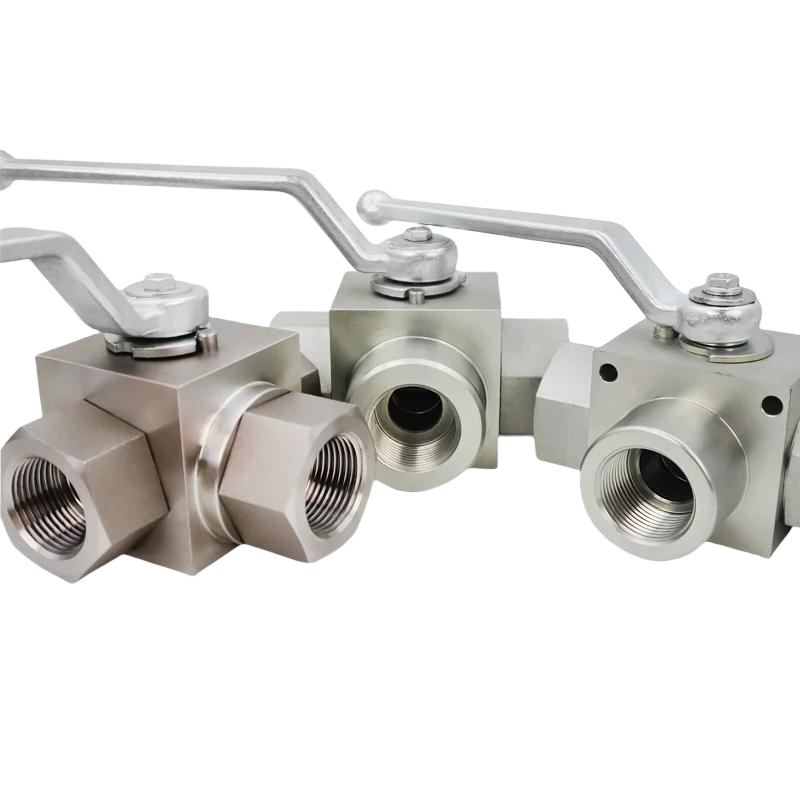
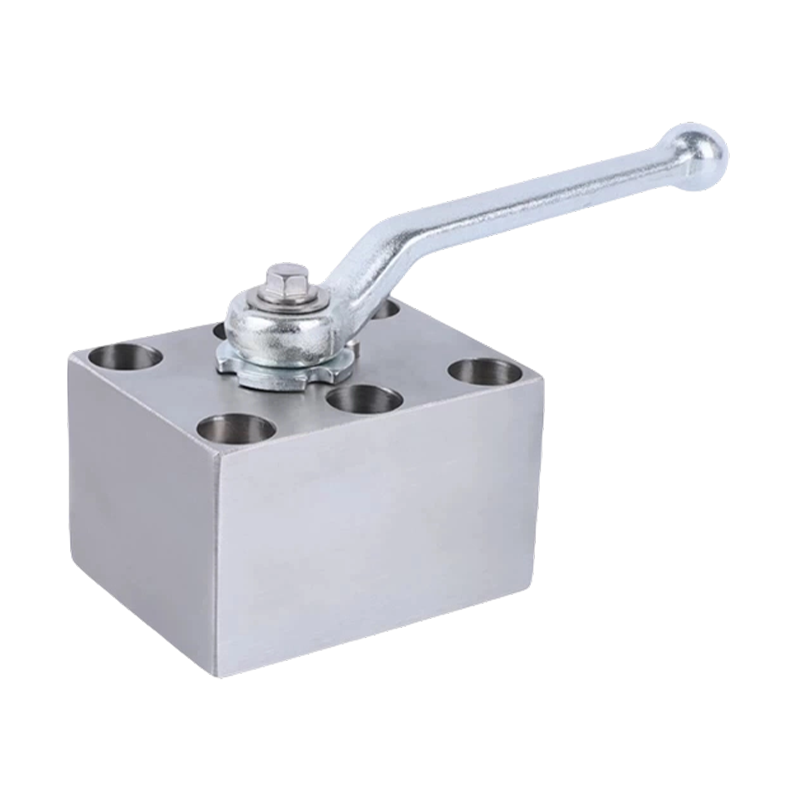
1) Before operation, it is necessary to confirm that the pipelines and valves have been flushed.
2) The operation of the valve is completed by driving the valve stem to rotate according to the input signal of the actuator: when it rotates 1/4 turn (90 °) in the forward direction, the valve closes. When rotating 1/4 turn (90 °) in reverse, the valve opens.
3) When the direction indicator arrow of the actuator is parallel to the pipeline, the valve is in the open state; When the arrow is perpendicular to the pipeline, the valve is in the closed state.
repair
Having a long service life and maintenance free period will depend on the following factors: normal working conditions, maintaining a harmonious temperature/pressure ratio, and reasonable corrosion data.
Attention
● When the ball valve is in the closed state, there is still pressurized fluid inside the valve body.
● Before maintenance, release the pipeline pressure and keep the valve in the open position.
● Before maintenance, disconnect the power or gas source.
● Before maintenance, detach the actuator from the bracket.
● It is necessary to confirm that the pressure in the upstream and downstream pipelines of the ball valve has been relieved before proceeding with disassembly and assembly operations.
● When disassembling and reassembling, care must be taken to prevent damage to the sealing surface of the parts, especially non-metallic parts. Special tools should be used when removing the O-ring.
● During assembly, the bolts on the flange must be tightened symmetrically, gradually, and evenly.
● The cleaning agent should be compatible with the rubber parts, plastic parts, metal parts, and working media (such as gas) in the ball valve. When the working medium is gas, gasoline (GB484-89) can be used to clean metal parts. Non metallic parts should be cleaned with purified water or alcohol.
● The decomposed individual parts can be cleaned by immersion washing. Metal parts that have not yet decomposed can be cleaned with a clean and fine silk cloth soaked in cleaning agent (to prevent fibers from falling off and adhering to the parts). During cleaning, all grease, dirt, adhesive buildup, dust, and other substances adhering to the wall surface must be removed.
● Non metallic parts should be immediately removed from the cleaning agent after cleaning and should not be soaked for a long time.
After cleaning, it is necessary to wait for the wall cleaning agent to evaporate (which can be wiped with a silk cloth that has not been soaked in cleaning agent) before assembly, but it should not be left for a long time, otherwise it will rust and be contaminated by dust.
● New parts also need to be cleaned thoroughly before assembly.
● Use lubricating grease for lubrication. Lubricating grease should be compatible with the metal material, rubber parts, plastic parts, and working medium of the ball valve. When the working medium is gas, special 221 lubricating grease can be used, for example. Apply a thin layer of grease on the surface of the seal installation groove, a thin layer of grease on the rubber seal, and a thin layer of grease on the sealing and friction surfaces of the valve stem.
● During assembly, metal debris, fibers, grease (excluding those specified for use), dust, and other impurities, foreign objects, etc. should not be allowed to contaminate, adhere, or remain on the surface of the parts or enter the internal cavity.
Recommended Products
Copyright © Yancheng Yanye Hydraulic Parts Co., Ltd. All Rights Reserved
Custom Ball Valve Factory
China Ball Valve Manufacturers




 English
  русский
  Español