2026-02-16
Content
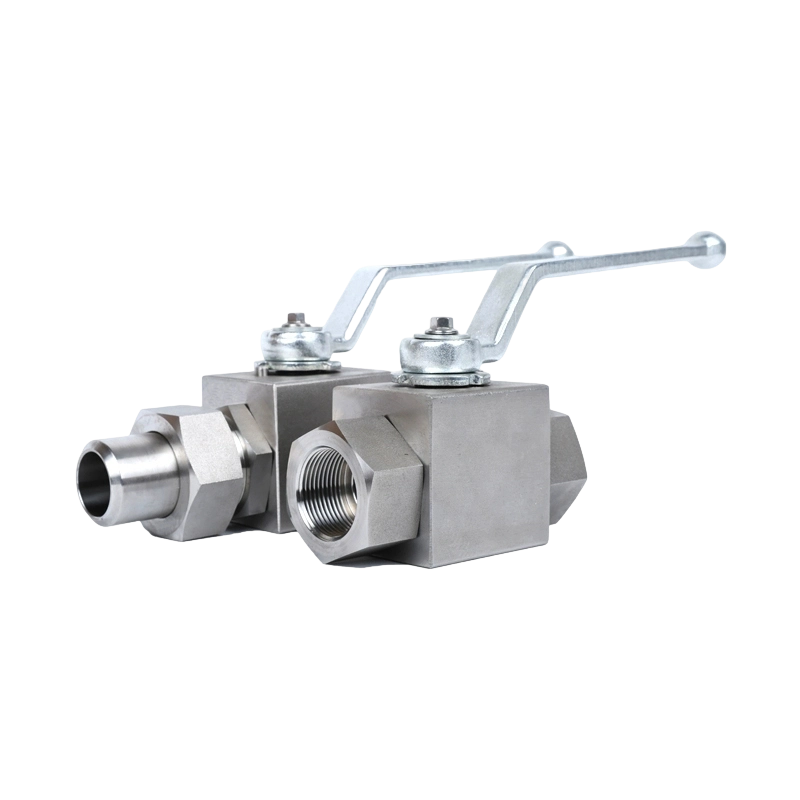
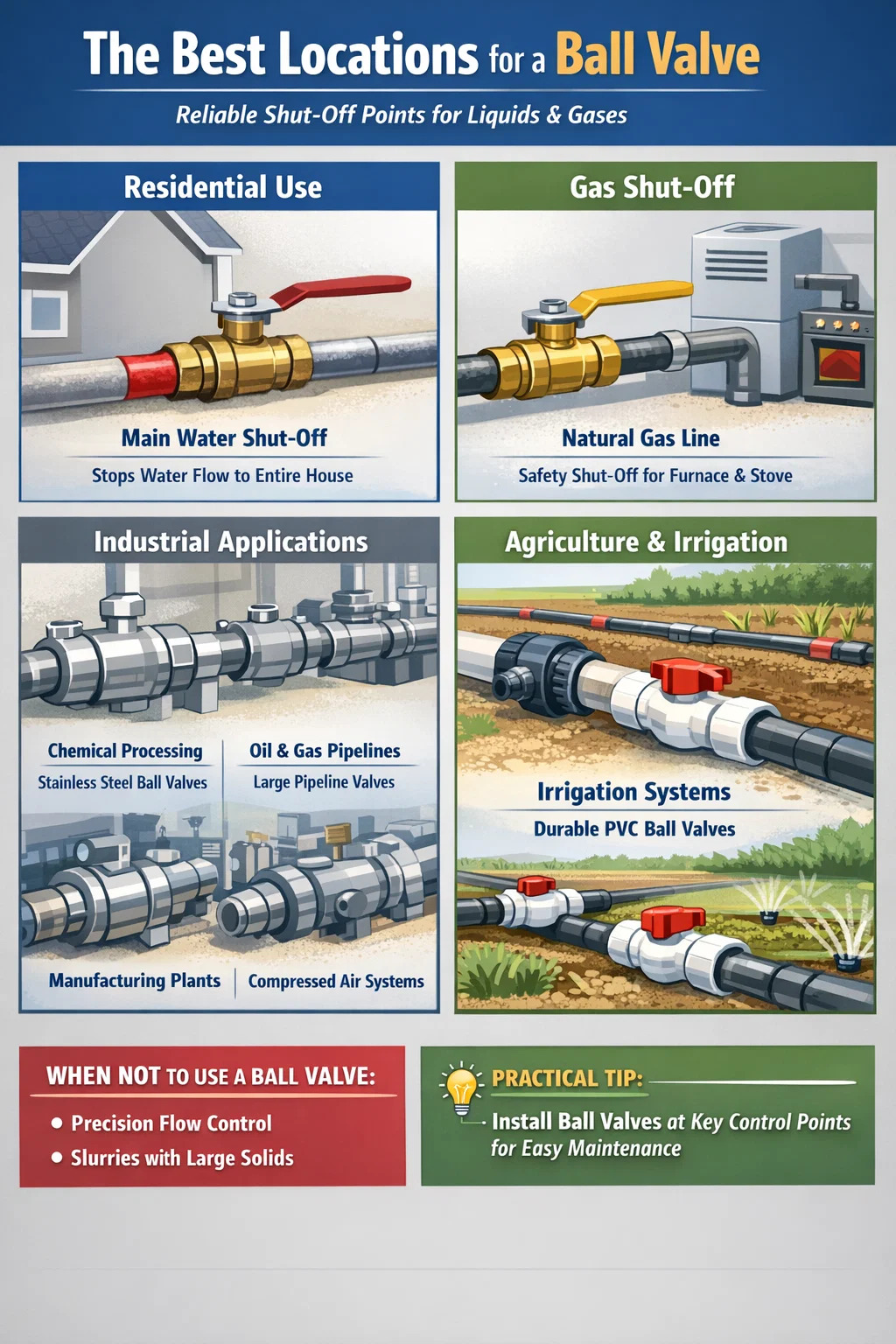
You should use a ball valve in any scenario that requires a reliable, leak-proof shut-off point for liquids or gases. They are the go-to choice for main water supply lines, gas shut-off points, industrial chemical processing, and irrigation systems. Because they operate with a quick quarter-turn, they are indispensable in areas where emergency access and fast isolation are the top priorities.
In a typical home, the ball valve is usually found in spots where you need to stop the flow of water or gas entirely to perform repairs or prevent flooding.
The primary water line entering a house almost always features a heavy-duty brass ball valve. Unlike older gate valves that can scale up and refuse to move after years of sitting idle, the ball mechanism remains operational even after a decade of non-use. This makes it the safest choice for stopping a major leak.
Gas lines leading to furnaces, water heaters, and stoves require a ball valve. These are often color-coded with yellow handles. Their ability to provide an airtight seal is critical for preventing gas leaks that could lead to fire or health hazards.
Industries rely on the ball valve because it can handle high pressures and temperatures while remaining easy to automate.
Outdoor environments pose a challenge for many mechanical parts, but the ball valve is remarkably resilient against dirt and weather.
PVC or plastic ball valves are standard for farm irrigation and garden watering systems. Since they don't have internal threads that can get clogged with mud or sand, they remain functional even in dirty water conditions.
Choosing where to use a ball valve often depends on the specific requirements of the media being transported.
| Location | Recommended Material | Primary Reason for Use |
|---|---|---|
| Potable Water Main | Lead-Free Brass | Durability & Scale Resistance |
| Natural Gas Line | Forged Brass / Carbon Steel | Airtight Seal for Safety |
| Pool Plumbing | PVC / Plastic | Chlorine Corrosion Resistance |
| Food & Beverage | 316 Stainless Steel | Hygiene & Sanitary Standards |
Understanding where to avoid a ball valve is just as important as knowing where to install one.
If you are designing a plumbing system or upgrading your workshop, always place a ball valve at every major junction. For instance, putting a small ball valve right before a toilet or a sink allows you to fix that specific appliance without turning off water for the entire building. This modular approach is the hallmark of professional piping design.
Recommended Products
Copyright © Yancheng Yanye Hydraulic Parts Co., Ltd. All Rights Reserved
Custom Ball Valve Factory
China Ball Valve Manufacturers




 English
  русский
  Español