2026-01-14
Content
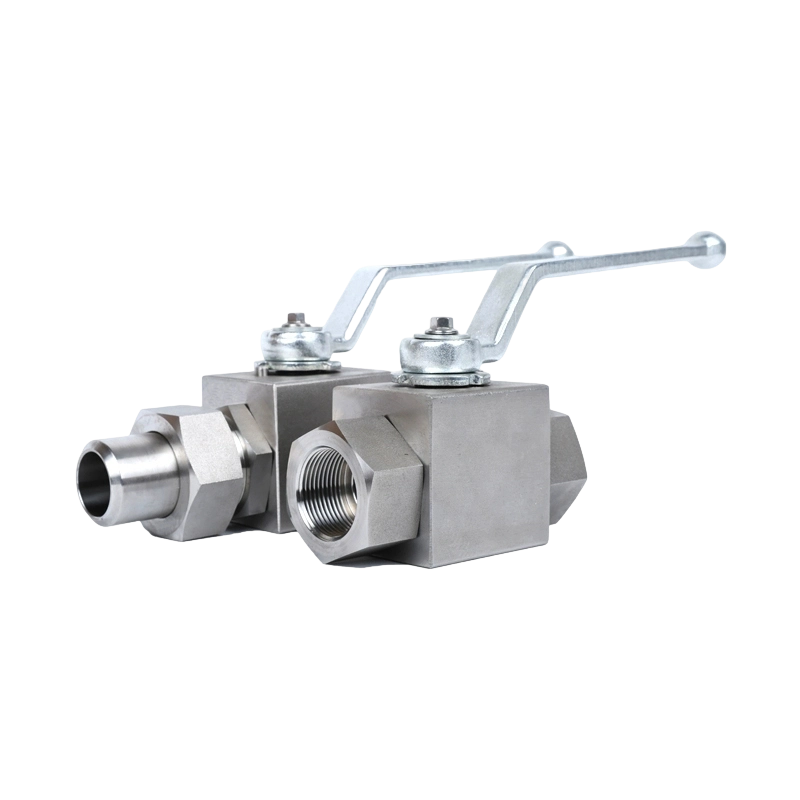
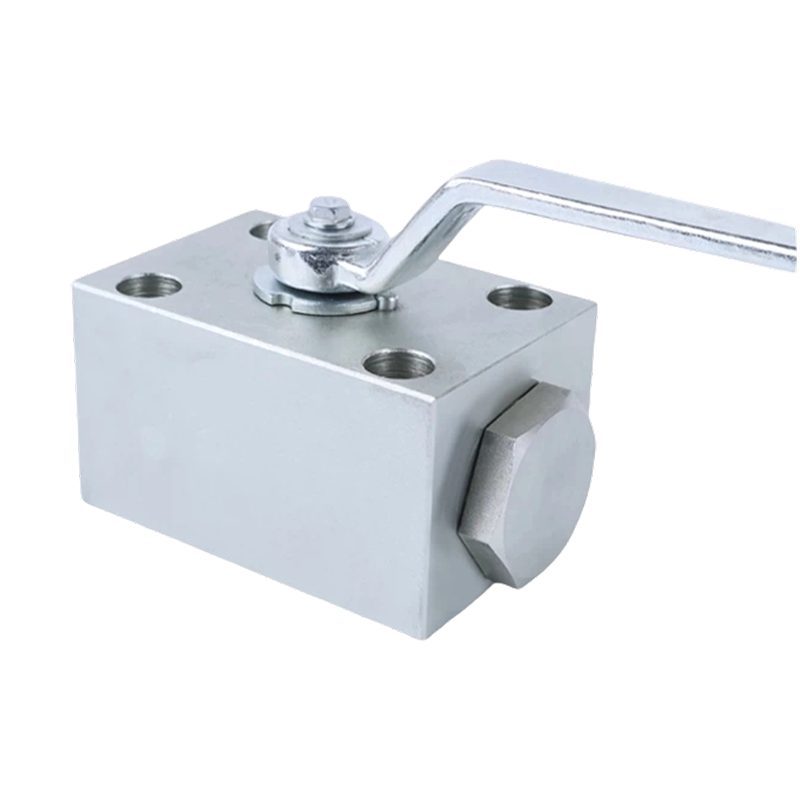
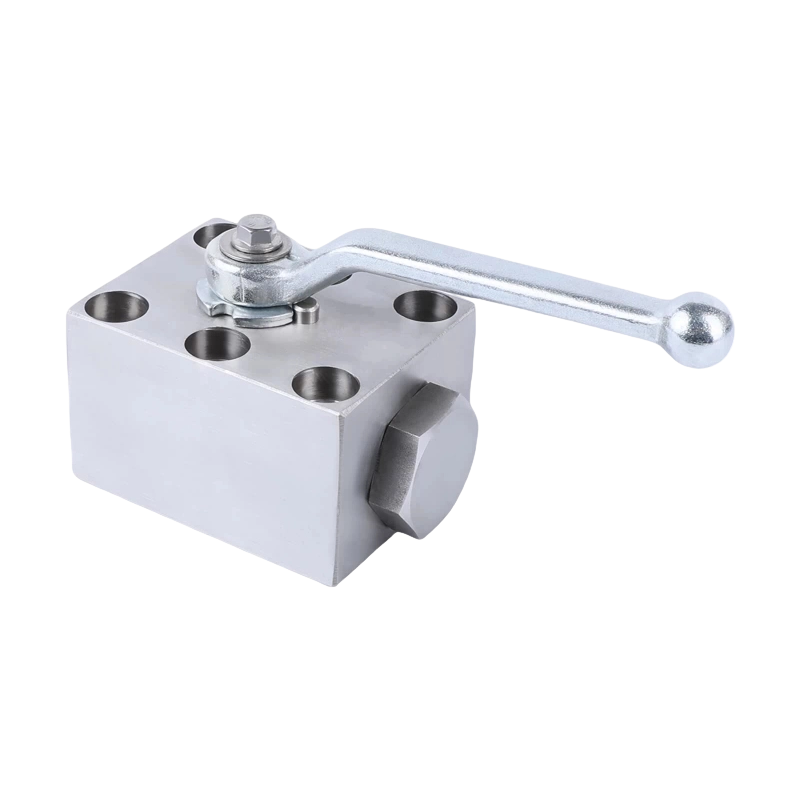
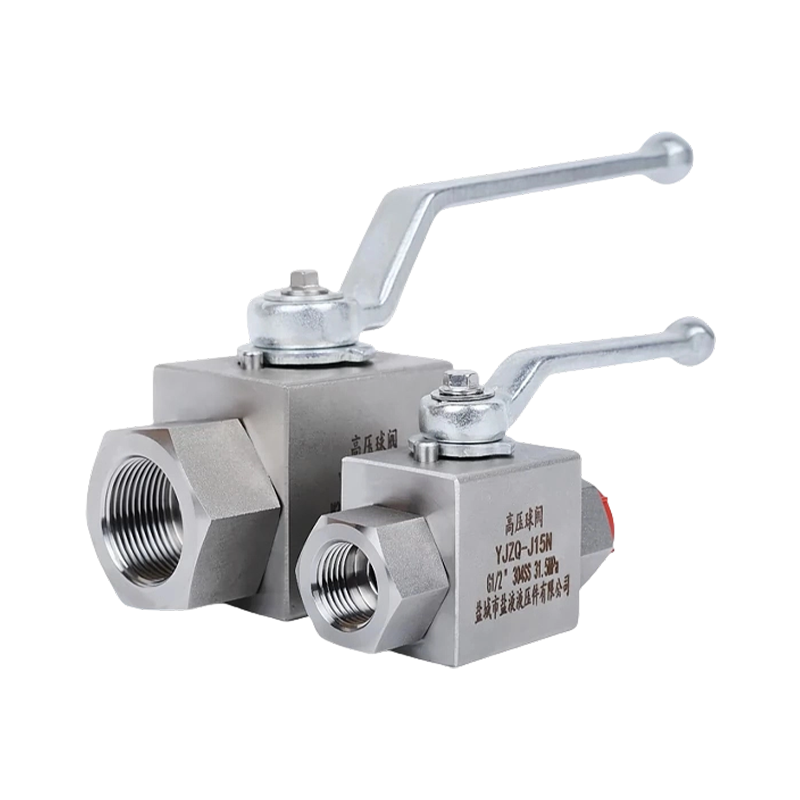
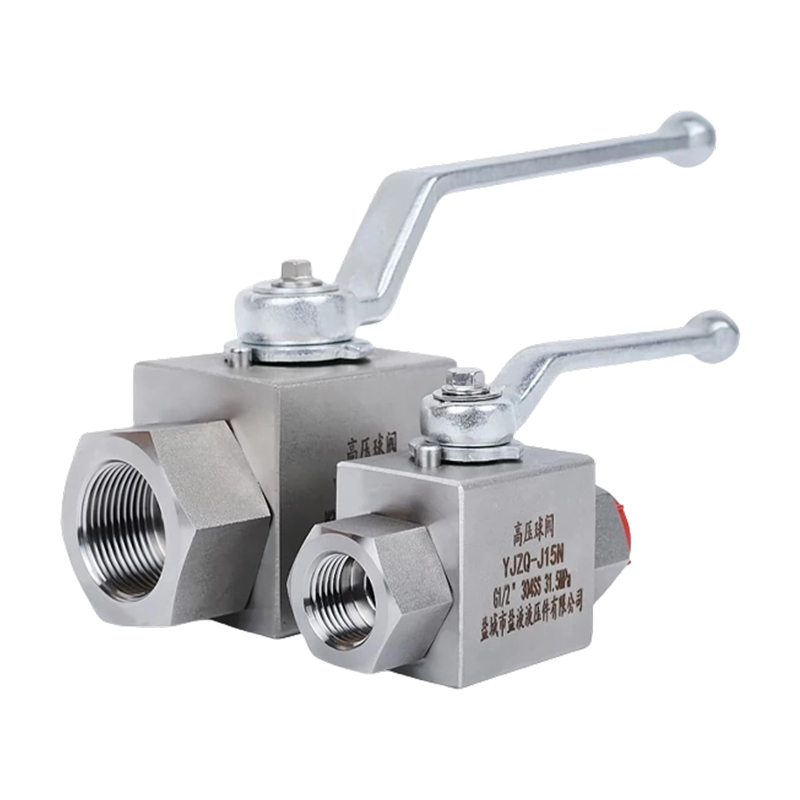
High Pressure Ball Valves are specialized shut-off valves designed to regulate the flow of fluids and gases under high-pressure conditions. They feature a spherical ball with a hole through the center that serves as the closing mechanism. When the valve is open, the hole aligns with the flow; when closed, the ball rotates 90°, and the handle is perpendicular to the pipe. These valves are crucial in industrial applications like oil and gas, chemical processing, and power generation, where reliable shut-off at elevated pressures is essential.
| Parameter | Typical Range | Details & Implications |
|---|---|---|
| Pressure Rating | Class 150 (1500 psi) to Class 2500 (25000 psi) | Indicates the maximum pressure the valve can handle. Class 150 is common for many industrial applications, while higher classes are used in specialized fields like oil & gas. |
| Temperature Range | -196°C to +380°C (depending on material) | Material selection (e.g., stainless steel vs. carbon steel) determines temperature capabilities. |
| Size (Bore) | 1/2" (DN15) to 36" (DN900) | Larger sizes are used for high flow rates; smaller sizes for precision control. |
| Design Types | Floating Ball, Trunnion (Fixed), Three-Way, Four-Way | Floating ball valves are simpler, while trunnion designs handle higher pressures and larger sizes more effectively. |
| Connection Types | Flanged, Threaded, Welded, Socket Weld | Flanged connections are common for high-pressure applications due to their strength and ease of maintenance. |
| Seating Materials | PTFE (Teflon), Metal Seats (Inconel, Stellite), FFKM | PTFE is standard for many applications; metal seats are used for extreme temperatures or abrasive media. |
Buyers should be aware of the different constructions available, as each type is suited for specific pressure ranges and applications:
Floating vs. Trunnion Ball Valves:
Floating Ball Valves: The ball is not fixed; it is held in place by the downstream seat. This design is common in lower to moderate pressure applications and is simpler in construction.
Trunnion (Fixed) Ball Valves: The ball is fixed in place using trunnions, providing better stability for high-pressure and high-temperature applications. This design reduces the torque required for operation and enhances sealing performance.
2-Piece vs. 3-Piece (Full Bore):
2-Piece Valves: Typically used for smaller sizes, these valves have a single body and are easier to install.
3-Piece (Full Bore) Valves: These have a separate body and bonnet, allowing the ball to be removed without cutting the pipe. This is advantageous for maintenance in high-pressure pipelines.
Full Bore vs. Reduced Bore:
Full Bore: The ball's bore matches the pipe diameter, providing minimal pressure drop.
Reduced Bore: The ball has a smaller bore, which can increase velocity and pressure drop but may be suitable for certain flow control applications.
| Material | Typical Use Cases |
|---|---|
| Carbon Steel (A105, ASTM A350) | General purpose, oil & gas, water services (cost-effective) |
| Stainless Steel (304, 304L, 316L) | Corrosive environments, food & pharma, high hygiene standards |
| Alloy Steel (Inconel, Monel) | Extreme temperatures, high corrosion (e.g., seawater) |
| Duplex Stainless | High strength and corrosion resistance, often in petrochemical applications |
| Standard | Scope |
|---|---|
| API 6D | Specification for pipeline valves (including high-pressure ball valves) |
| API 608 | For carbon steel ball valves (often used in lower pressure but still relevant) |
| ISO 17292 / ISO 15848 | International standards for floating ball valves and their testing |
| ASME B16.34 | Valves – Flanged, threaded, and welding ends (covers pressure classes) |
| BS 5351 | British Standard for ball valves (often referenced in European markets) |
| ATEX / IECEx | For valves used in explosive atmospheres (e.g., petrochemical plants) |
| PED (Pressure Equipment Directive) | European certification for pressure equipment |
Size Range: From 1/2 inch (DN15) up to 36 inches (DN900), with some manufacturers offering larger sizes (e.g., up to 48 inches) for specific industrial needs.
Connection Types:
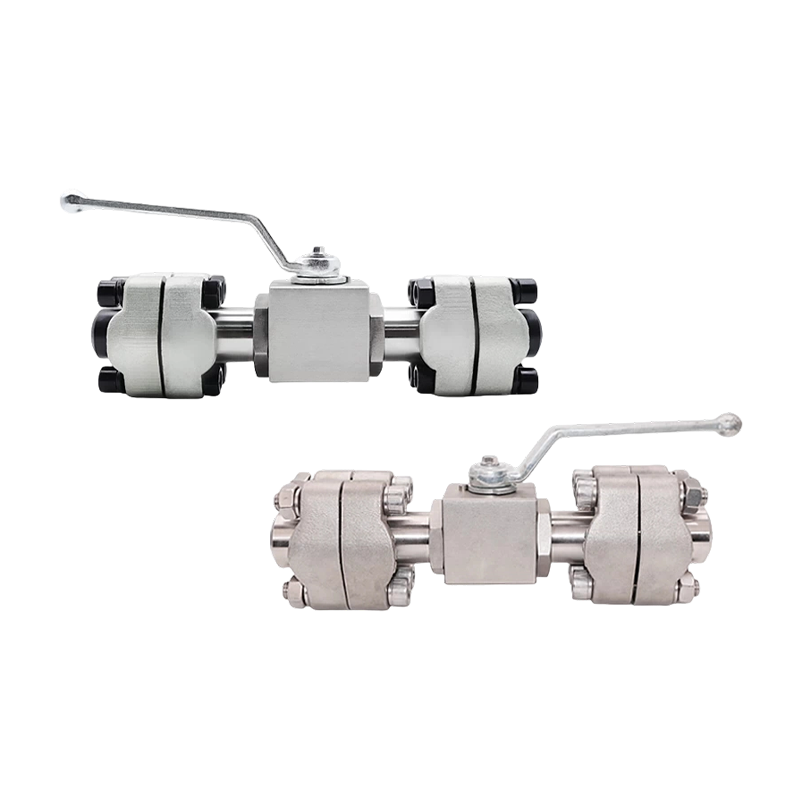
Flanged Ends: Standard for most applications, complying with ASME B16.5 or EN 1092.
Welded Ends: Butt-weld or socket-weld connections for high-pressure or high-temperature services.
Direct Mounting Pads: For quick installation and actuator mounting, often used in trunnion-mounted designs.
Understanding the pressure and temperature capabilities is crucial for ensuring safety and performance:
Pressure Classes: High Pressure Ball Valves typically start at Class 150 (PN16) and can go up to Class 2500 (PN250), handling pressures from 150 psi to 2500 psi (or higher) depending on the design and materials.
Temperature Ranges: These valves can operate in a broad temperature range, often from -10°C to 200°C for standard models, with specialized designs capable of handling more extreme temperatures.
Standards for Pressure Ratings: Ensure the valve complies with ASME B16.34 for pressure-temperature ratings and API 6D for high-pressure pipeline applications.
Fire Safe Design (API 607): Incorporates metal-to-metal seats or secondary metal seats to maintain sealing capability in case of fire or high temperature exposure.
Pressure-Assisted Sealing: Utilizes pressure balance holes to enhance seat sealing under varying pressure conditions.
Anti-Blowout Stem: Designed to prevent the stem from being ejected under high pressure, ensuring operational safety.
Bidirectional Sealing: Many high-pressure designs feature floating seat rings or dual sealing mechanisms to ensure tight shut-off regardless of flow direction.
Oil & Gas Pipelines: High-pressure transport of oil, gas, and refined products.
Petrochemical Plants: Handling high-pressure reactors and separators.
Power Generation: Steam lines, cooling water systems.
District Energy Systems: Heating and cooling plants (high pressure, high temperature).
Industrial Processes: Chemical reactors, high-pressure washing systems.
Buyers should consider how the valve will be operated:
Manual Operation: Handwheel or lever, suitable for low-frequency operation or where automation is not required.
Automated Actuation: Includes Pneumatic, Electric, and Hydraulic actuators. Automated valves are essential for systems requiring frequent or remote adjustments, offering better efficiency and control.
The valve's connection type determines how it integrates into your piping system:
Flanged Connections: The most common for high-pressure applications, adhering to standards like ANSI B16.5 or ASME B16.47.
Threaded Connections: Used for smaller sizes or where welding is not feasible.
Welded Connections: Butt-weld or socket-weld connections provide a permanent, leak-proof joint, typically used in high-pressure pipelines.
When choosing a High Pressure Ball Valve, consider the following factors:
Maximum Operating Pressure (MOP): Ensure the valve's pressure rating exceeds the system's maximum pressure.
Media Compatibility: Verify that the valve materials (body, trim, seat) are compatible with the fluid (e.g., corrosive chemicals, abrasive slurries).
Temperature Range: Match the valve's temperature rating with the operating environment.
Size and Flow Coefficient (Cv): Choose the appropriate size to ensure minimal pressure drop and adequate flow capacity.
Installation Space: Consider whether a full bore or reduced bore valve is needed based on space constraints and flow requirements.
Certification Requirements: For critical applications (e.g., oil and gas pipelines), ensure the valve has the necessary certifications (e.g., API 6D, ISO 9001).
When selecting a high pressure ball valve, buyers typically consider:
Pressure & Temperature Requirements: Ensuring the valve class matches the maximum operating pressure and temperature of the system.
Media Compatibility: Selecting appropriate body and seat materials based on the fluid's corrosiveness and abrasiveness.
Safety Features: Need for fire-safe designs, anti-blowout stems, and compliance with hazardous area certifications (e.g., ATEX).
Installation Constraints: Considering the type of connection (flanged vs. welded) and the need for trunnion support in high-pressure scenarios.
Improper installation is a leading cause of early valve failure. Follow these guidelines to ensure longevity and safety:
Mechanical Installation Checklist
| Step | Action | Rationale |
|---|---|---|
| 1. Alignment | Ensure the valve’s centerline aligns perfectly with the pipeline. Use laser alignment tools for large diameters. | Misalignment can cause uneven wear on seats and increase torque requirements. |
| 2. Torque Specification | Apply the manufacturer’s recommended torque to flanges (e.g., 4 Nm per mm of bolt diameter for carbon steel). | Over-torquing can crush seats; under-torquing can lead to leaks. |
| 3. Support & Anchoring | Provide adequate pipe supports to prevent pipe sag or movement, especially for large-diameter valves. | Prevents stress on the valve body and connections. |
| 4. Pressure Testing | Perform hydrostatic testing at 1.5 times the valve’s pressure rating before commissioning. | Verifies the integrity of seals and connections. |
| 5. Anti-Static Measures | Install grounding or anti-static devices if the valve is used in flammable environments. | Prevents static discharge that could ignite vapors. |
Compliance & Documentation
| Requirement | Details |
|---|---|
| Material Traceability | Keep certificates of material (e.g., ASTM A105 for carbon steel bodies) for audit purposes. |
| Pressure Vessel Registration | In some jurisdictions (e.g., EU), valves over a certain pressure must be registered with a notified body. |
| Inspection Records | Maintain a log of all inspections, torque checks, and pressure tests for regulatory compliance. |
| Test Type | Standard | What It Verifies |
|---|---|---|
| Hydrostatic Test | API 6D, ISO 5208 | Valve can withstand pressure without leaking (typically 1.5x rated pressure). |
| Seat Leakage Test | API 6D | Measures the rate of fluid passing through the closed valve (e.g., 0.1 L/h for Class 150). |
| Torque Test | API 6D | Determines the force required to open/close the valve; critical for actuator sizing. |
| Fire Safe Test | API 607 | Ensures the valve remains sealed under fire exposure (temperature rise to 1000°C). |
| Endurance Test | API 6D | Simulates repeated cycles (e.g., 10,000 cycles) to assess wear on seats and stems. |
| Symptom | Likely Cause | Diagnostic Steps | Recommended Action |
|---|---|---|---|
| Leak at Seat (when closed) | Seat wear or damage | 1. Perform a seat leakage test. 2. Inspect seat material. |
Replace PTFE seats or upgrade to metal seats for abrasive media. |
| High Operating Torque | Misalignment or obstruction | 1. Check for pipe misalignment. 2. Inspect for debris in the cavity. |
Realign piping; clean or replace the ball if pitted. |
| Stem Leakage | Damaged stem seal | 1. Apply pressure and observe for leaks around the stem. | Replace O-rings or packing; ensure correct torque on bonnet. |
| Valve Won’t Open | Overpressure or actuator failure | 1. Verify system pressure is within limits. 2. Test actuator output. |
Reduce pressure; repair or replace actuator. |
| Noise/Vibration | Cavitation or water hammer | 1. Listen for knocking sounds. 2. Check flow velocity. |
Install a dampener; reduce flow velocity. |
| Cost Factor | Impact on Total Cost of Ownership (TCO) |
|---|---|
| Initial Purchase Price | Higher for trunnion designs (more components). |
| Actuator Cost | Trunnion valves often require smaller actuators due to lower torque, potentially offsetting valve cost. |
| Maintenance Frequency | Floating valves may need more frequent seat replacements in high-cycle applications. |
| Energy Consumption | Actuator size and torque directly affect energy usage; trunnion designs are more energy-efficient under high pressure |
17.1 Supplier Evaluation
When selecting a supplier for high pressure ball valves, consider the following:
Quality Certifications: Ensure the supplier holds ISO 9001, API Monogram, and PED C-Mark certifications .
Testing Facilities: Prefer suppliers with in-house hydrostatic and fire safe testing capabilities .
Technical Support: Look for suppliers that provide detailed engineering support, including P&ID integration and pressure/temperature calculations.
17.2 Cost Factors
Material: Stainless steel and alloy bodies are more expensive than carbon steel but offer superior corrosion resistance .
Seat Type: Soft seats (PTFE) are cheaper but may require more frequent replacement; metal seats (graphite, metal-to-metal) have higher upfront costs but longer life .
Certification: Fire safe (API 607) or anti-static certifications add to the cost due to additional testing and design requirements .
Lubrication: Regularly lubricate the stem and packing. Use lubricants compatible with the valve’s operating environment (e.g., low-temperature lubricants for cryogenic service) .
Seat Inspection: Periodically inspect the seat material for wear, especially in abrasive services. Replace soft seats (e.g., PTFE) before they become too thin, as they are more prone to wear under high pressure .
Leak Testing: Perform regular leak testing, especially after maintenance. Use helium leak detection for high-precision applications .
Torque Re-check: Re-check the torque of bolts after the first few cycles of operation, as they may settle and require re-tightening.
Q1: Can a high pressure ball valve be used for low-pressure applications?
A: Yes, but it's often more cost-effective to use a valve rated for the specific pressure range of the application.
Q2: What is the difference between a full bore and reduced bore valve?
A: Full bore (full port) valves have a bore equal to the pipe diameter, ensuring minimal pressure drop and no turbulence. Reduced bore valves have a smaller opening, which can cause higher pressure drops and may be used where cost savings are prioritized over flow efficiency.
Q3: How do I know if I need a trunnion ball valve?
A: If you're dealing with very large diameters (e.g., 24" and above) or extremely high pressures, a trunnion design is often preferred because it provides better stability and reduces wear on the seats.
Q4: Are there any special certifications needed for valves used in food processing?
A: Yes, look for FDA approval, CE marking for food contact, and often a sanitary design (e.g., no dead legs, smooth interior surfaces).
Q5: How often should a high pressure ball valve be inspected?
A: Typically, a visual inspection is performed annually, with a more thorough testing (e.g., hydrostatic test) every 5-10 years, depending on the pressure class and industry regulations.
20.1 Smart and Connected Valves
IoT Integration: Modern high pressure ball valves are increasingly equipped with sensors that monitor temperature, pressure, and stem position in real-time. This data can be integrated into plant SCADA systems for predictive maintenance and early leak detection .
Digital Twins: Some manufacturers are developing digital twins of high pressure valve systems, allowing engineers to simulate performance under various conditions (e.g., fire, pressure surges) before actual deployment.
20.2 Advanced Materials
Additive Manufacturing (3D Printing): Emerging technologies are enabling the production of complex valve components (e.g., stems, seats) with optimized geometries for better flow and reduced stress concentrations .
Nanocoatings: Advanced surface treatments are being applied to valve bodies and seats to enhance wear resistance and reduce friction, extending service life in high-pressure, high-wear applications .
Recommended Products
Copyright © Yancheng Yanye Hydraulic Parts Co., Ltd. All Rights Reserved
Custom Ball Valve Factory
China Ball Valve Manufacturers




 English
  русский
  Español