2026-07-20
Content
A ball valve is the better choice when fast shut-off, tight sealing, and low maintenance matter most, while a gate valve is the stronger option for large-diameter pipelines that are opened or closed only occasionally and need an unrestricted, low-pressure-drop flow path. The core mechanical difference is simple: a ball valve rotates a bored sphere a quarter turn to open or close, while a gate valve raises or lowers a flat or wedge-shaped gate through multiple turns of a handwheel.
You need frequent on-off cycling, quick isolation, compact installation, or dependable sealing in gas, chemical, or automated systems.
You are working with large-bore pipelines, infrequent operation, high flow volumes, and a tight budget for the initial purchase.
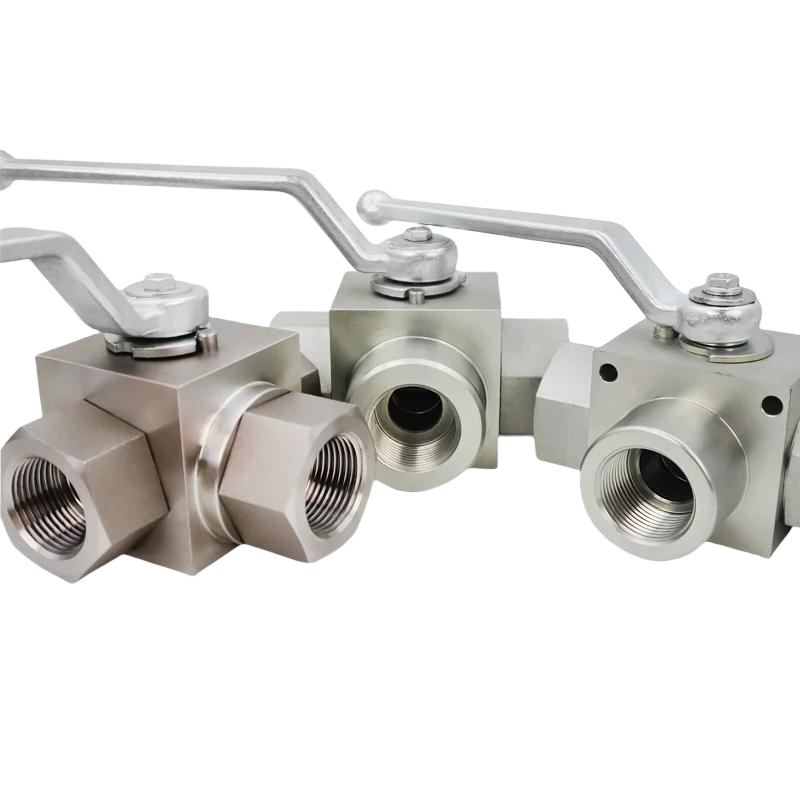
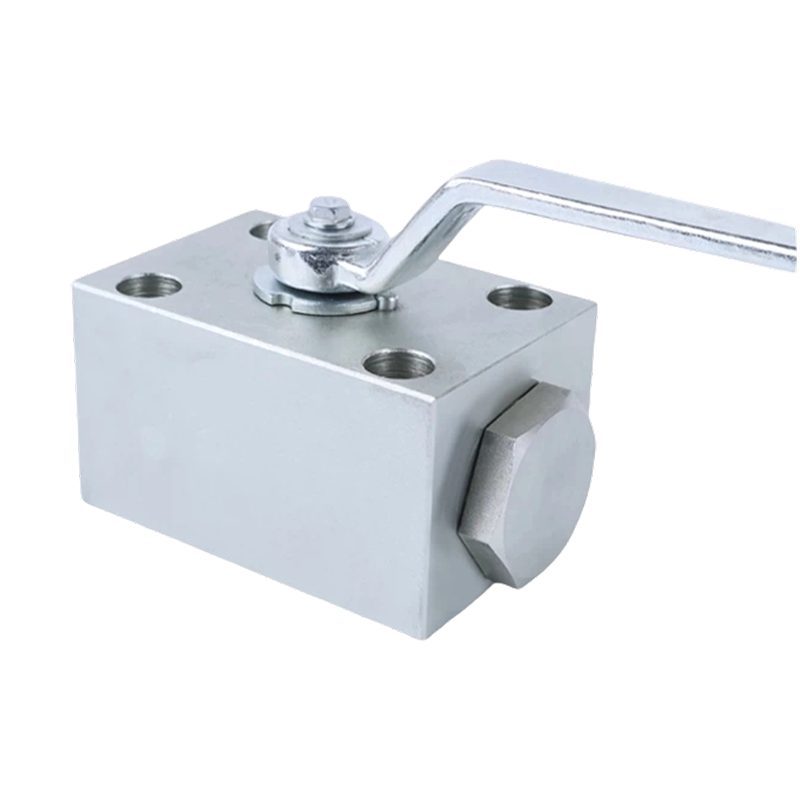
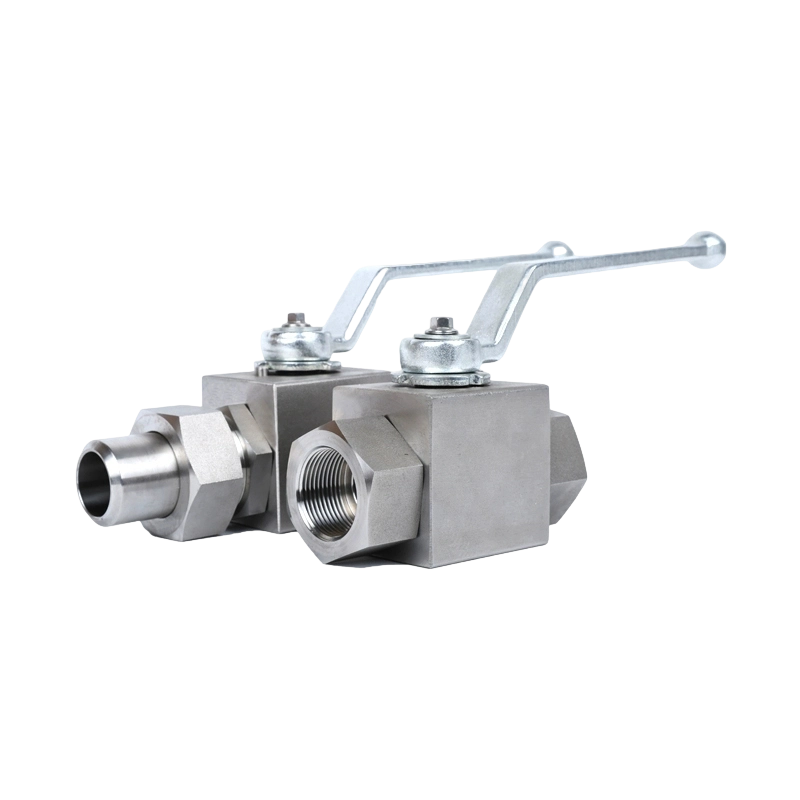
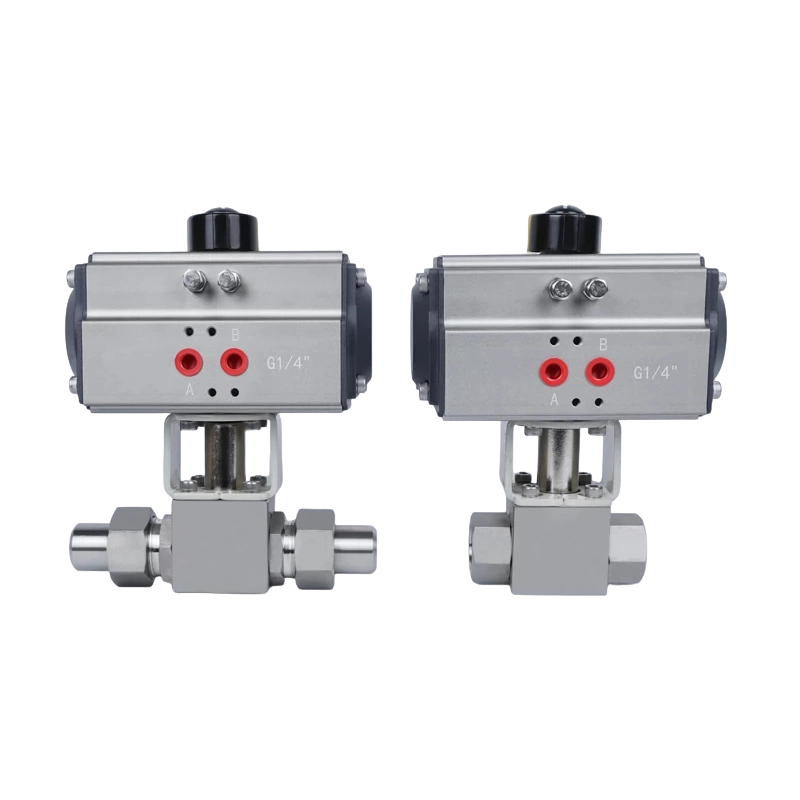
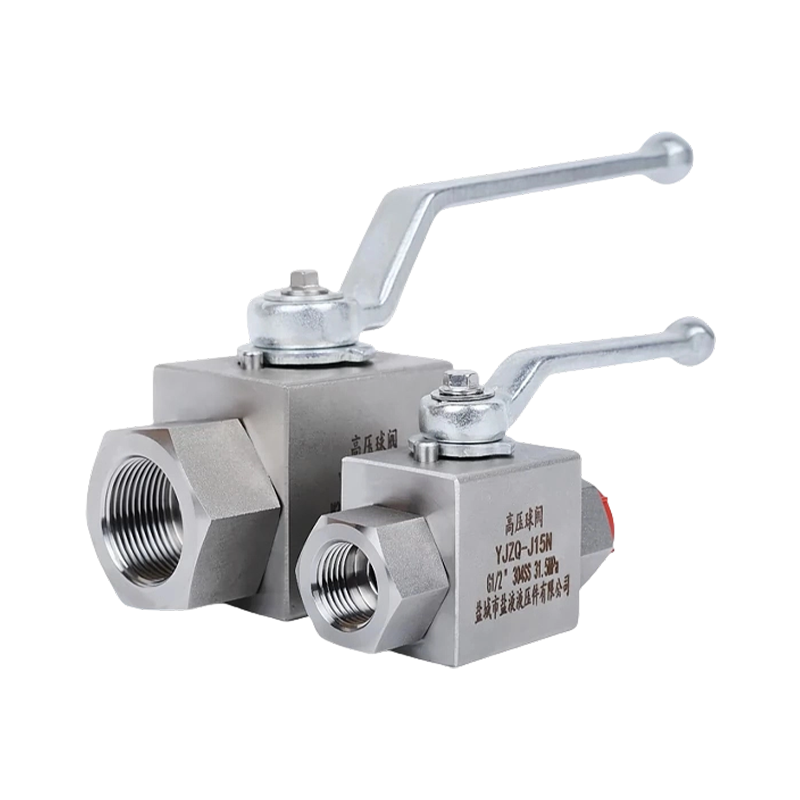
A ball valve controls flow through a rotating sphere, commonly called the ball, that has a bore drilled straight through its center. When the bore lines up with the pipe, fluid or gas passes through with almost no restriction. Turning the handle a quarter turn rotates the ball ninety degrees so the solid side blocks the passage completely. This design gives ball valves a reputation for a clean, binary open-or-closed action rather than gradual throttling.
The bore matches the internal diameter of the connected pipe, so flow resistance stays minimal even at full opening.
The bore is one pipe size smaller than the line, which lowers material cost but creates a modest pressure drop at full flow.
A V-shaped notch in the ball allows limited throttling control, though standard ball valves remain best suited to isolation rather than fine flow regulation.
Because the ball wipes across the seat every time it rotates, the sealing surface stays clean, which helps ball valves hold a bubble-tight shutoff even after long idle periods. Bodies are typically bronze, brass, stainless steel, or PVC, with seats made from PTFE or reinforced polymer compounds that resist wear across thousands of open-close cycles.
A gate valve uses a flat or wedge-shaped gate that travels vertically inside the valve body. Turning the handwheel raises the gate to open the flow path or lowers it to seal against the seat. Because the internal gate must physically lift clear of the bore, gate valves generally require several full turns rather than a single quarter turn, making them slower to actuate than ball valves.
When fully open, a gate valve offers a nearly straight-through flow path with minimal turbulence, which is why they remain common in high-volume water distribution, fire protection, and large industrial pipelines where the valve is left open for long stretches of service.

The table below lines up the two valve types across the factors that matter most during specification: operating speed, sealing quality, footprint, and cost.
| Factor | Ball Valve | Gate Valve |
|---|---|---|
| Operating motion | Quarter turn, ninety degrees | Multiple turns of a handwheel |
| Actuation speed | Fast, near-instant shutoff | Slow, gradual closing |
| Sealing performance | Bubble-tight, reliable after idle periods | Adequate but prone to wear over time |
| Flow regulation | Best for on-off, limited throttling with V-port | Not designed for precise throttling, though it can partially regulate |
| Installation footprint | Compact, shorter overall height | Taller body, needs more vertical clearance |
| Initial cost | Generally higher | Generally lower for equivalent pipe size |
| Maintenance frequency | Lower, fewer moving parts | Higher, stem and gate wear over time |
| Best pipe sizes | Small to medium diameter lines | Large diameter pipelines |
| Typical cycle frequency | High-frequency operation | Infrequent, occasional operation |
Beyond general descriptions, a few practical figures help explain why engineers reach for one valve type over the other.
The full rotation needed to move a ball valve from fully open to fully closed, compared with several complete handwheel rotations on a gate valve of similar size.
A rough range for manual quarter-turn closure on a mid-size ball valve, which is why operators are cautioned to close large valves slowly to avoid water hammer.
Ball valves rely on a ball, stem, and two seats, a simpler assembly than the gate, guides, and wedge mechanism inside a comparable gate valve, which translates into fewer failure points.
A full-port ball valve or a fully open gate valve both offer a nearly unrestricted bore, but reduced-port ball valves introduce more resistance than an equivalent gate valve at full opening.
Industry practice has settled into fairly consistent patterns for where ball valves and gate valves get specified, based on decades of field performance.
| Industry or System | Preferred Valve | Primary Reason |
|---|---|---|
| Residential plumbing shut-off | Ball valve | Compact size and reliable long-term sealing |
| Compressed air and pneumatic lines | Ball valve | Fast isolation and tight shutoff under pressure |
| Natural gas distribution | Ball valve | Bubble-tight seal reduces leak risk |
| Chemical processing skids | Ball valve | Quick response and resistance to sticking |
| Municipal water distribution mains | Gate valve | Large bore size and infrequent operation |
| Fire protection standpipes | Gate valve | Full flow capacity when opened during an emergency |
| Power plant cooling systems | Gate valve | High-temperature, high-pressure service with rare cycling |
| Slurry and mining pipelines | Gate valve | Straight-through path resists clogging from solids |
Working through a short set of questions before specifying a valve prevents costly rework later. The checklist below reflects the order most piping engineers actually use during design review.
Frequent daily or hourly operation favors a ball valve because of its low wear quarter-turn action. Occasional seasonal or emergency use suits a gate valve.
Ball valves dominate smaller and medium bore sizes. Once a line reaches large diameters, gate valves become more economical and easier to actuate manually.
If any leakage across the seat is unacceptable, such as in gas service, a ball valve is the safer specification.
Neither valve is a precision throttling device, but a V-port ball valve offers more controllable partial flow than a gate valve, which should generally stay fully open or fully closed.
Ball valves need less vertical clearance but cost more upfront. Gate valves need more headroom for the rising stem but are typically cheaper to purchase at large sizes.
Long-term performance depends as much on installation practice and upkeep as on the valve design itself.
A ball valve generally provides a tighter, more dependable seal because the ball wipes clean across the seat with every cycle. A gate valve can seal well when new, but the seat surfaces are more prone to gradual wear from friction and debris.
A gate valve can partially regulate flow, but manufacturers generally advise against it because partial opening causes turbulence and accelerated wear on the gate and seat. A globe valve or a specialized control valve is a better fit for continuous throttling duty.
At most common pipe sizes, a ball valve typically costs more than a comparable gate valve because of the more complex ball and seat assembly. The higher purchase price is often offset over time by lower maintenance needs and longer service life in high-cycle applications.
Large diameter ball valves become bulky and expensive, and their actuation torque increases significantly with size. Gate valves scale more economically to large bore sizes and are well suited to the infrequent operation typical of municipal water mains.
In high-cycle service, ball valves usually outlast gate valves because they have fewer moving parts and the ball self-cleans against the seat with every turn. In low-cycle, large-bore service, a well-maintained gate valve can also provide many years of reliable operation.
Ball valves are the standard choice for gas distribution and gas appliance shut-off because their bubble-tight sealing minimizes leak risk, and their quick quarter-turn action allows for fast emergency isolation.
Water hammer occurs when flow is stopped too abruptly, sending a pressure shockwave through the pipe. Because ball valves close so quickly, rapid manual or automated closing on a large ball valve can trigger water hammer more easily than the gradual closing action of a gate valve.
Most ball valves can be installed in horizontal or vertical piping without affecting performance. Gate valves are typically installed with the stem oriented upward so the gate can move freely under gravity and the stem threads stay clear of debris.
Recommended Products
Copyright © Yancheng Yanye Hydraulic Parts Co., Ltd. All Rights Reserved
Custom Ball Valve Factory
China Ball Valve Manufacturers




 English
  русский
  Español