2025-03-03
Definition:
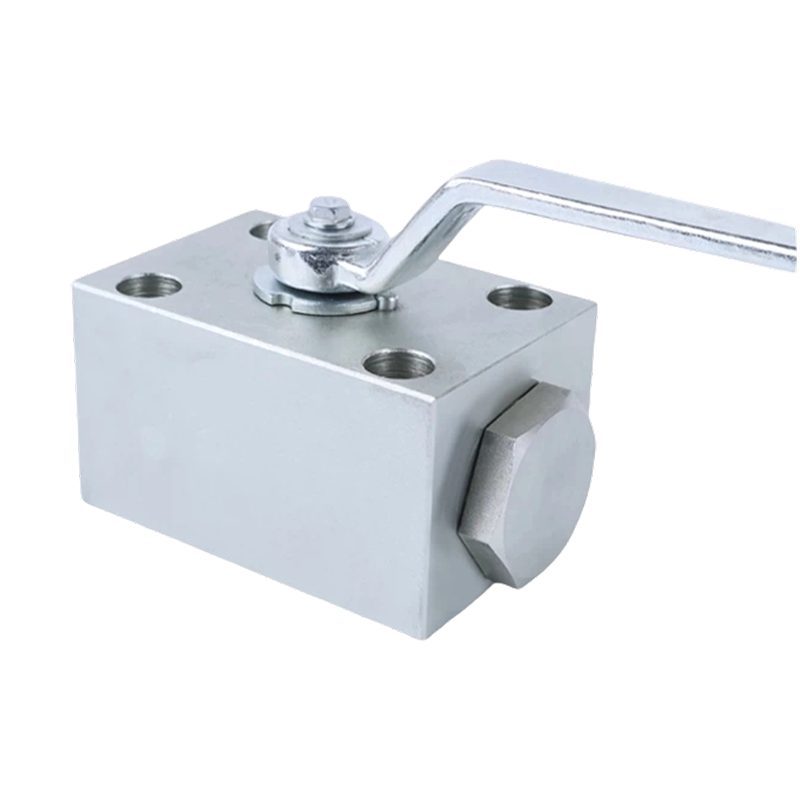
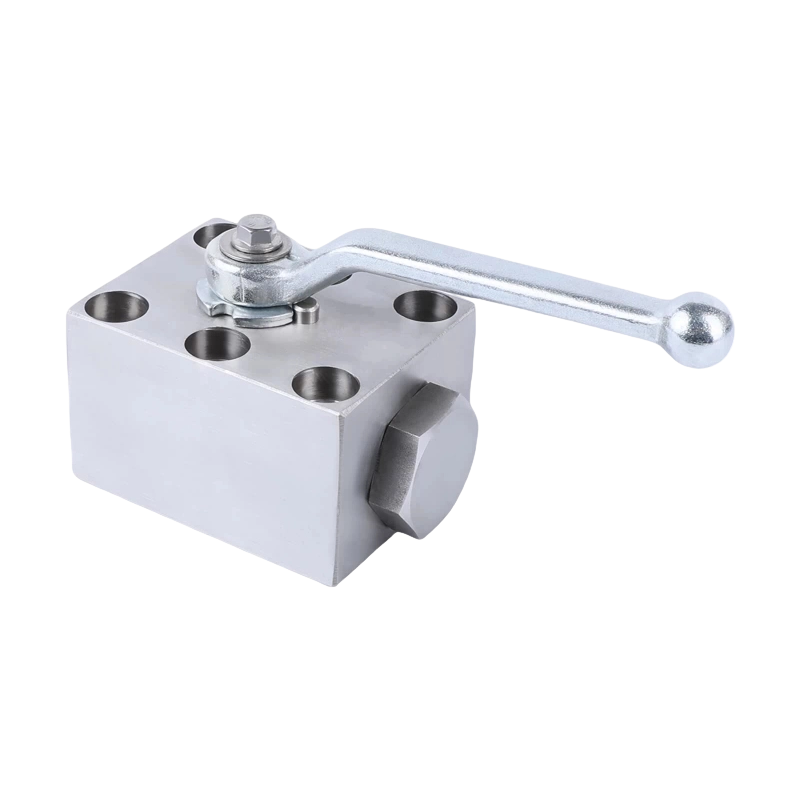
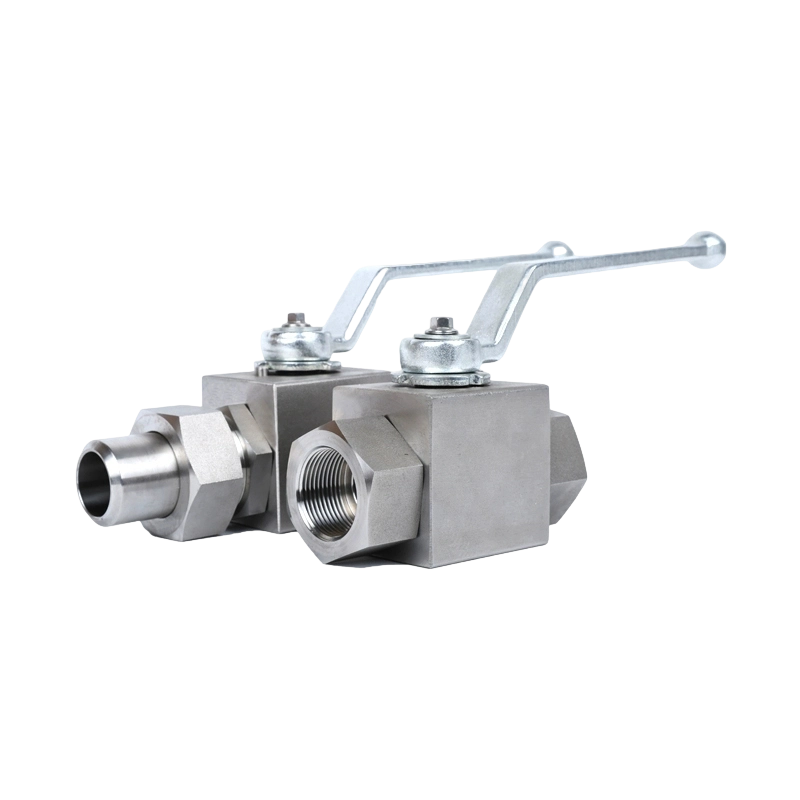
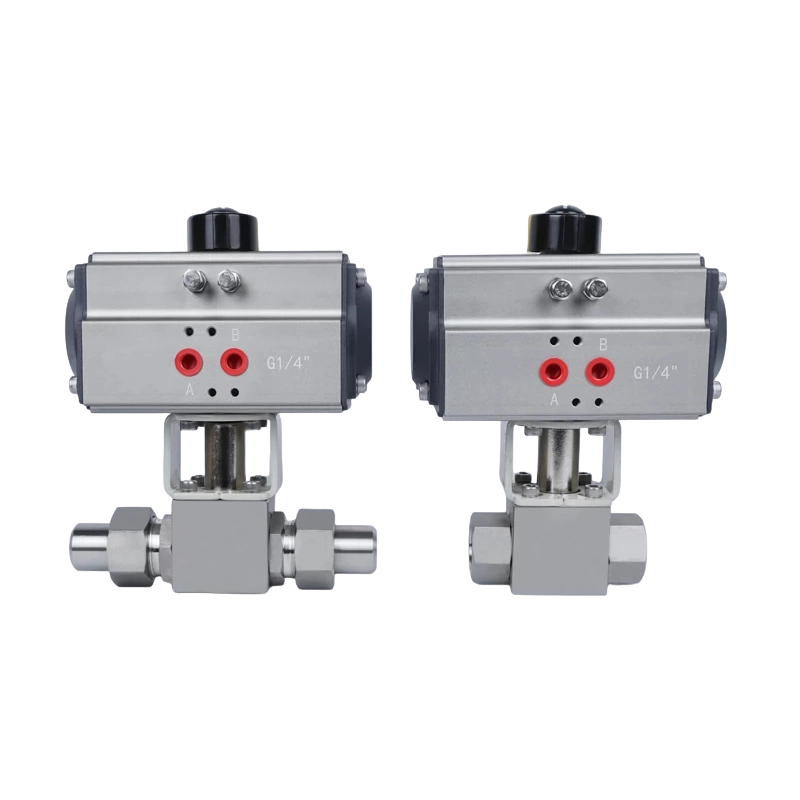
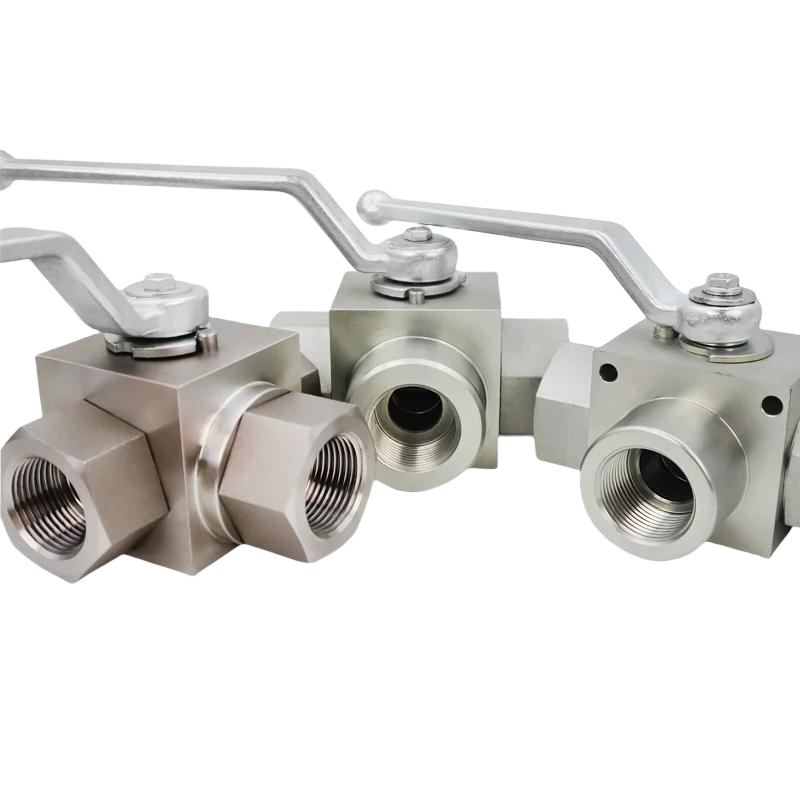
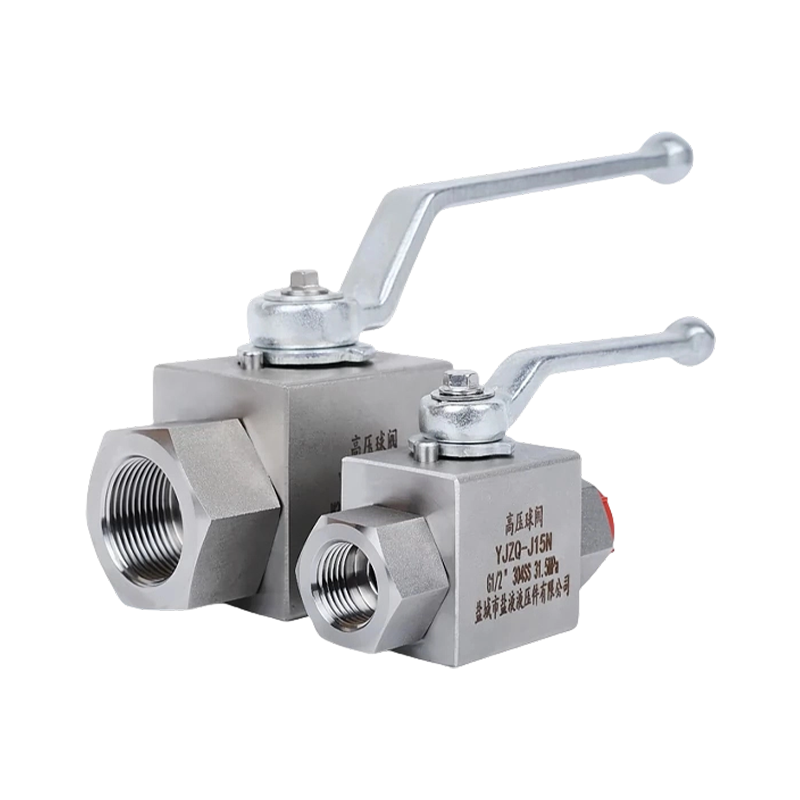
A high-pressure ball valve refers to a valve whose opening and closing components (ball) are driven by the valve stem and rotate around the axis of the valve stem. This type of valve is widely used in hydraulic machinery equipment, natural gas, petroleum refining and other fields.
Working principle:
The working principle of a high-pressure ball valve is that when the valve stem pushes the valve core (ball), the valve core will move on the valve seat. When the valve core moves to a certain position, it controls the flow rate of the medium, thereby achieving the purpose of controlling the flow rate of the medium. In specific applications, the rotation angle of high-pressure ball valves is usually 90 degrees. When the valve stem drives the ball to rotate 90 degrees, the passage of the ball will be connected or disconnected from the passage of the valve seat, thus achieving the action of opening or closing.
Recommended Products
Copyright © Yancheng Yanye Hydraulic Parts Co., Ltd. All Rights Reserved
Custom Ball Valve Factory
China Ball Valve Manufacturers




 English
  русский
  Español