2026-01-14
Content
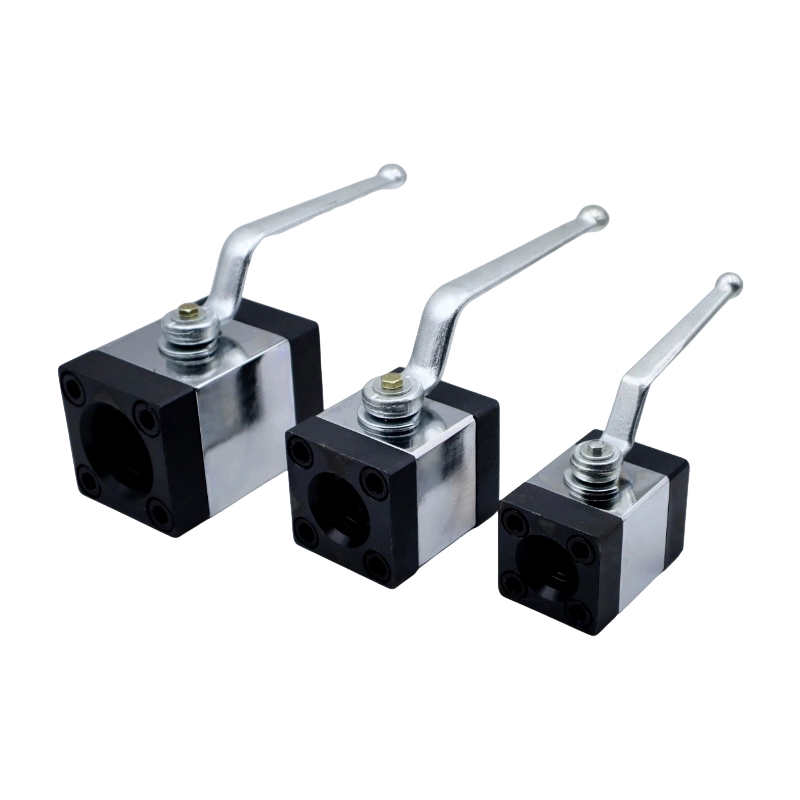
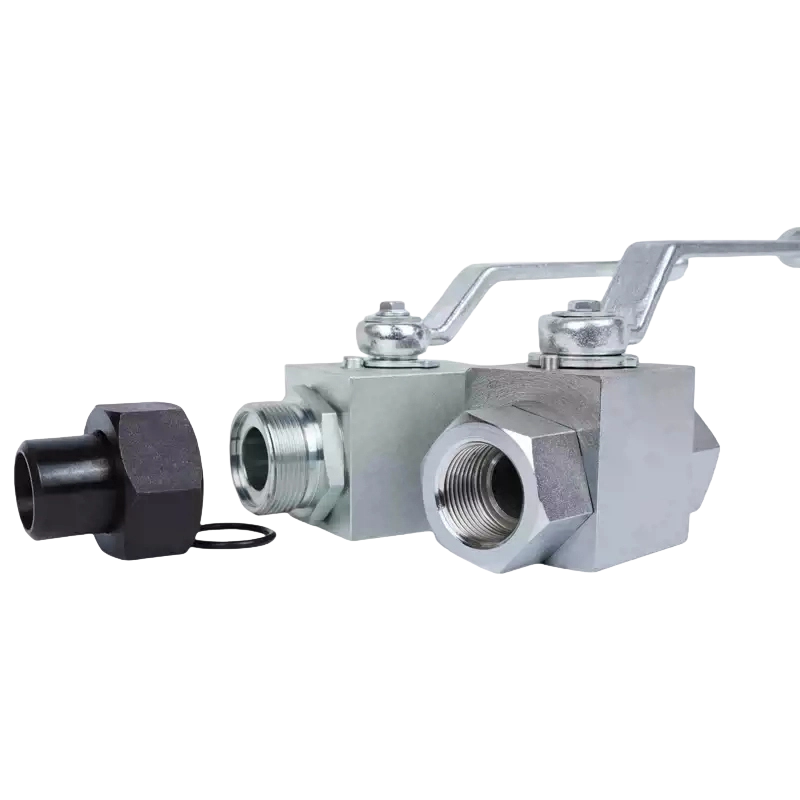
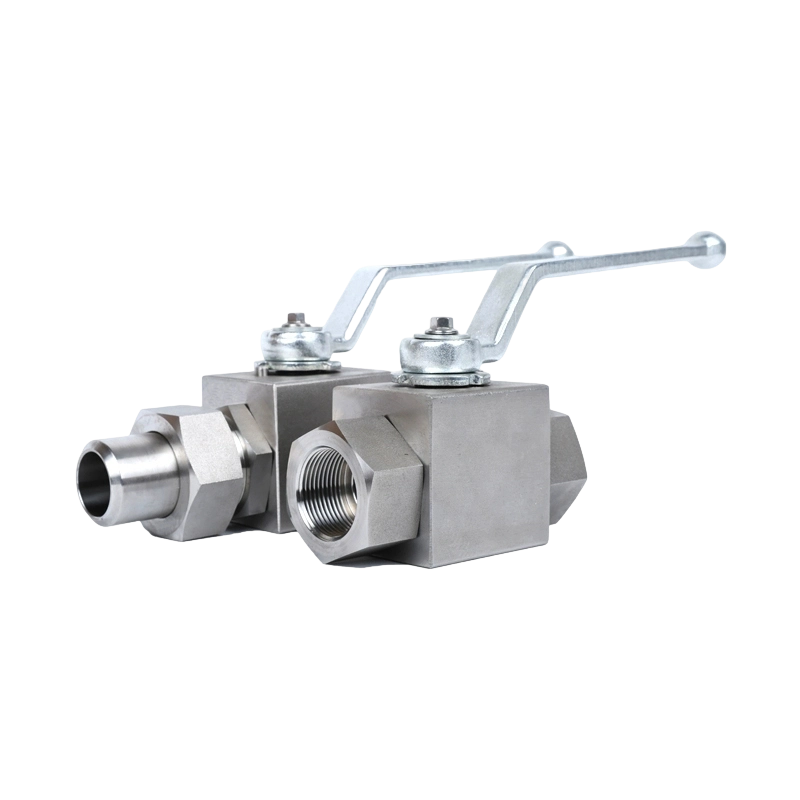
A hydraulic ball valve is a type of quarter-turn valve that uses hydraulic pressure to actuate the ball, rather than electric or pneumatic power.
Core Function: It utilizes a hydraulic cylinder to turn the ball, providing high torque output, which is essential for handling high-pressure fluids and heavy-duty applications.
Advantages:
High Torque: Capable of operating under extremely high pressures where electric actuators might fail.
Durability: More robust against harsh environments and vibration, making them ideal for heavy industrial use.
| Type | Description | Typical Use Cases |
|---|---|---|
| Floating Ball Valve | The ball is not fixed; it floats in the fluid and is forced against the seats by pressure. | General-purpose, low-to-moderate pressure applications. |
| Trunnion (Mounted) Ball Valve | The ball is mounted on a shaft (trunnion) with a spring to keep it centered. | High-pressure (e.g., >10,000 psi) or high-temperature applications. |
| Full Port (Full Bore) Valve | The bore is the same size as the pipe, allowing unrestricted flow. | Critical flow lines where pressure loss must be minimized. |
| Reduced Port (Standard) Valve | The bore is smaller than the pipe, saving space and cost but causing some pressure drop. | Non-critical flow lines or space-constrained installations. |
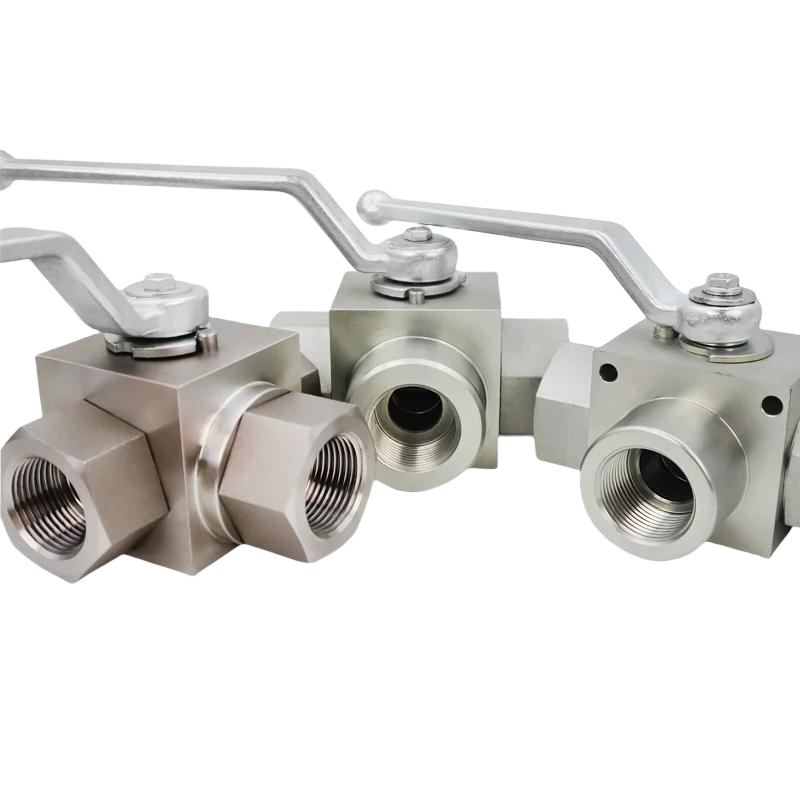
| Three-Way (T or L) Valve | Allows flow to be diverted between two outlets. | Hydraulic circuits requiring flow direction changes. |
| Four-Way (X) Valve | Allows switching flow between two pairs of ports. | Complex hydraulic systems. |
| Fire-Safe Valve | Designed to maintain sealing under fire conditions (ISO 10497, API 607). | Safety-critical installations (e.g., oil & gas). |
| Cryogenic Valve | Designed for extremely low temperatures (e.g., liquid nitrogen). | Cryogenic processes. |
| Smart/IoT-Enabled Valve | Integrated with sensors and connectivity for remote monitoring and control. | Industry 4.0, predictive maintenance. |
| Parameter | Typical Range | Considerations |
|---|---|---|
| Size | 1/4" to 5" (or larger) | Choose based on pipe size and flow requirements. |
| Pressure Rating | Class 150 to 2500 (PN10 to PN400) | Must exceed maximum operating pressure. |
| Temperature Range | -20°C to +260°C (standard) | Cryogenic or high-temp models available. |
| Material | Body: Carbon steel, Stainless steel (304/316), Brass, Bronze; Seats: PTFE, PCTFE, Metal (Carbide) | Material must be compatible with fluid media (e.g., corrosive, abrasive). |
| End Connections | Flanged, Threaded (NPT/BSP), Welded (SW/BW), Socket Weld | Must match pipeline standards. |
| Actuation | Manual (lever/handwheel), Pneumatic, Electric, Hydraulic, Smart (IoT) | Determines control method. |
| Flow Coefficient (Kv) | Depends on bore size; full-port offers higher Kv | Affects flow capacity and pressure drop. |
When searching for the right hydraulic ball valve, consider the following:
Application Environment
Media Compatibility: Ensure the valve material can handle the fluid (e.g., oil, water, chemicals, slurry).
Temperature & Pressure: Match the valve's rating to the operating conditions.
Flow Requirements
Full Port vs. Reduced Port: Full port for high flow (no pressure loss), reduced port for cost savings.
Number of Ports: Choose two-way, three-way, or four-way based on circuit design.
Actuation Method
Manual: Simple, low-cost, for infrequent operation.
Automated: Pneumatic/electric actuators for remote or rapid operation.
Smart Valves: Integrated sensors for real-time monitoring and IoT connectivity.
Standards & Certifications
Look for compliance with API, ISO, EN/DIN, ASME, ATEX (explosion-proof), NACE (sour service), etc.
Installation Constraints
Space: Trunnion-mounted may be larger; consider pipe alignment.
Directionality: Ensure correct installation orientation (some valves are directional).
Understanding material limits is crucial for safety and performance. Different materials have specific temperature-pressure thresholds。
Stainless Steel (316 SS): Commonly used for its corrosion resistance. Typically handles up to 6000 psig (414 bar) at low temperatures, but pressure tolerance drops significantly beyond 121°C (250°F)。
Brass: Suitable for lower pressure applications. Its pressure capacity decreases rapidly after 100°F (38°C)。
Seat Materials:
PTFE Seats: Excellent chemical resistance but lose pressure-holding capacity at high temperatures (e.g., 0 psig at 450°F)。
PEEK/PCTFE Seats: Maintain better pressure resistance at higher temperatures compared to PTFE。
Metal Seats: Used for high-pressure and high-temperature scenarios where soft seats fail。
Buyers often use these terms when looking for suppliers or technical data:
“Hydraulic ball valve 600 class”
“API 607 fire safe ball valve”
“Trunnion mounted hydraulic ball valve”
“Full bore hydraulic ball valve”
Buyers should verify compliance with international standards to ensure safety and reliability。
ISO Standards: ISO 9001 (Quality Management), ISO 14001 (Environmental Management), ISO 50001 (Energy Management)。
API Standards: API 6D (Pipeline Valves), API 6FA (Fire Safe)。
Other Certifications: CE marking for European markets, UL listing for North America。
Understanding where hydraulic ball valves are used helps buyers select the right type。
Hydraulic Systems: Controlling hydraulic cylinders and motors in heavy machinery。
Water & Wastewater: Managing flow in treatment plants due to their durability and sealing capabilities。
Oil & Gas: Handling high-pressure fluids and requiring corrosion-resistant materials。
Food & Beverage: Sanitary designs for hygienic processing。
For specialized applications, customization may be required。
Custom Materials: Options for titanium bodies or specialized seals for extreme conditions。
Lead Times: Standard models are often in stock, while custom orders may require longer lead times due to material sourcing and manufacturing。
Proper installation is crucial to prevent leaks, premature wear, or catastrophic failure.
a. Alignment & Stress Management
Avoid Pipe Stress: Ensure the valve is installed where the pipeline is straight and aligned. Misalignment can stress the valve body and cause leaks.
Use of Gaskets: Follow manufacturer guidelines for gasket type (e.g., PTFE, metal) and torque values. Over-tightening can deform the valve body.
Protection from Shock: For high-pressure systems, consider using hydraulic shock absorbers or bypass lines to protect the valve from water hammer.
b. Maintenance & Inspection
Regular Inspection: Check for leakage at the stem, handle, and connections. Inspect the ball and seats for wear, especially in abrasive fluids.
Seal Replacement: Many 3-piece designs allow for easy replacement of O-rings and PTFE seats without removing the valve from the pipeline.
Cleaning: Ensure the fluid is filtered before entering the valve to prevent contamination of seals.
a. Symptom-Based Diagnosis
| Symptom | Likely Causes | Diagnostic Steps | Solutions |
|---|---|---|---|
| Valve won't open (stuck) | - Contamination: Dirt or debris in the ball or seats. - Seized Ball: Due to lack of lubrication or corrosion. |
1. Visual Inspection: Look for visible debris around the stem and body. 2. Manual Operation Test: Attempt to operate manually (if manual valve). 3. Pressure Check: Verify if system pressure is sufficient to move the ball. |
- Cleaning: Disassemble (if possible) and clean with solvent. - Lubrication: Apply compatible hydraulic oil to the ball and seats. - Replacement: If the ball is corroded or pitted, replace it. |
| Leakage at Stem/Seat | - Worn Seals: PTFE or O-rings have degraded. - Improper Installation: Over-tightened or cross-threaded connections. |
1. Leak Detection: Apply soapy water to the stem area to locate leaks. 2. Check Torque: Verify that bolts are tightened to manufacturer specifications. |
- Seal Replacement: Replace PTFE or O-rings. - Re-torque: Adjust bolt torque to correct values. |
| Noise (Cavitation or Hammering) | - Cavitation: Air bubbles or vapor formation due to low pressure. - Water Hammer: Sudden pressure spikes from rapid valve closure. |
1. Pressure Test: Use a pressure gauge to check for sudden spikes. 2. Air Purge: Check if air has been purged from the system. |
- Air Bleed: Perform a proper air bleed procedure (pump handle 6-8 times). - Shock Absorber: Install a hydraulic shock absorber or adjust the valve closing speed. |
| Slow Pressure Build-Up | - Blocked Suction: Filter blockage or clogged inlet. - Worn Pump: Reduced pump efficiency. |
1. Flow Test: Measure flow rate at the inlet. 2. Oil Level Check: Ensure oil level is adequate (low oil can cause slow function). |
- Clean Filter: Replace or clean the suction filter. - Pump Maintenance: Service or replace the pump if worn. |
| Temperature Rise (Overheating) | - High Pressure: Excessive pressure causing heat generation. - Inadequate Cooling: Oil cooler malfunction. |
1. Temperature Measurement: Use a thermometer to check oil temperature. 2. Relief Valve Check: Verify if the relief valve is opening at the correct pressure. |
- Adjust Relief Valve: Set the relief valve to the correct pressure (typically 100-150 psi above compensator setting). - Cooler Maintenance: Clean or replace the oil cooler. |
b. Proactive Maintenance Tips
Regular Bleeding: Air in the system reduces efficiency and can cause cavitation。
Seal Inspection: PTFE seats are prone to wear in abrasive fluids; schedule regular inspections and replace before failure。
Torque Management: Over-tightening flanges can deform the valve body and cause leaks。
a. Price Range Overview
| Category | Typical Price Range (USD) | Example Specifications |
|---|---|---|
| Standard Manual Ball Valves | 200 | Small sizes (1/2" - 1"), basic stainless steel (SS304) or carbon steel bodies, full port |
| Industrial Hydraulic Ball Valves | 500 | Medium sizes (1" - 4"), stainless steel (SS316), PTFE or glass-filled PTFE seats, full bore, higher pressure ratings (PN40/PN64) |
| Smart/IoT-Enabled Valves | 1,500+ | Integrated sensors (pressure, temperature, position), Bluetooth/Wi-Fi connectivity, often with metal seats for high-pressure applications |
| Specialty High-Pressure Valves | 3,000+ | High-pressure ratings (PN100/1000 WOG), metal seats (brass, bronze), special alloys (Inconel, Hastelloy) |
b. Cost Drivers
Material: Stainless steel (SS316) is more expensive than carbon steel due to corrosion resistance。
Seat Material: Metal seats cost significantly more than PTFE but are essential for high-pressure, high-temperature applications。
Smart Features: Integrated electronics and IoT connectivity add to the cost but provide long-term savings through predictive maintenance。
a. Environmental Impact
Energy Efficiency: Ball valves have a relatively low pressure drop due to their full-bore design, leading to lower energy consumption in fluid transport。
Material Recycling: End-of-life recycling impacts vary by material. For example, brass valves have higher carbon emissions per kg (0.98 kg CO₂e/kg) compared to structural steel valves (0.58 kg CO₂e/kg)。
Waste Reduction: Using high-quality, durable valves reduces the frequency of replacements, minimizing waste oil and metal waste over time。
b. Sustainable Practices
Recycled Materials: Manufacturers are increasingly using recycled metals and polymers to reduce the environmental footprint。
Eco-Friendly Fluids: Pairing hydraulic ball valves with biodegradable or high-viscosity-index hydraulic fluids can further reduce environmental impact。
| Feature | Hydraulic Ball Valve | Globe Valve | Butterfly Valve |
|---|---|---|---|
| Flow Coefficient (Cv) | High (full bore) | Moderate | Low to Moderate |
| Pressure Drop | Low | Moderate to High | Low |
| Control Precision | Low (on/off) | High (throttling) | Low (on/off) |
| Size Range | Small to Large | Small to Medium | Large (cost-effective for large diameters) |
| Typical Applications | Quick shut-off, high flow, low pressure drop systems | Precise flow control, throttling | Large HVAC systems, water treatment |
15.1. Detailed Material Grades
| Component | Common Materials | Special Alloys for Extreme Conditions |
|---|---|---|
| Body | Carbon Steel (ASTM A216), Stainless Steel 304/316L, Brass, Bronze | Super Duplex 2507, Duplex 2205, Inconel 625, Hastelloy C-276 |
| Ball | Stainless Steel 304/316L, Brass, Bronze | Super Duplex 2507, Inconel 625, Monel 400 |
| Seat | PTFE, PCTFE, POM, FKM, Graphite | Metal Seats (Carbide, Stellite, Tungsten Carbide), Vespel (for high temp) |
| Stem | Stainless Steel, Brass, Bronze | Inconel (for high temp) |
| Actuator | Aluminum, Steel, Stainless Steel | Stainless Steel (for corrosive environments) |
15.2. Pressure-Temperature Ratings
API 6D Pressure Classes: Class 150, 300, 600, 900, 1500, 2500.
Temperature Limits: Typically -20°C to +260°C (Standard); Cryogenic models can operate down to -196°C (LNG); High-temp models can exceed +300°C.
15.3. Flow Coefficient (Kv) and Pressure Drop
Full Port Kv: Approximately 0.9 × D³ (where D = pipe diameter in inches). This provides near-zero pressure loss.
Reduced Port Kv: Typically 60-70% of full port, resulting in higher pressure drop.
Throttling: Ball valves are not designed for throttling. Partial opening can cause cavitation, noise, and damage.
16.1. Smart Ball Valves (IoT Integration)
Sensors: Integrated pressure, temperature, and position sensors.
Connectivity: Bluetooth, Wi-Fi, or LoRaWAN for remote monitoring.
Predictive Maintenance: Data analytics to predict wear and schedule maintenance before failure.
16.2. Advanced Materials
Nanocoatings: For enhanced corrosion resistance and reduced friction.
Composite Bodies: For lightweight applications while maintaining strength.
16.3. Sustainability
Energy Efficiency: Reduced torque requirements through improved stem designs.
Recyclability: Use of recyclable materials and modular designs for easier end-of-life processing.
Q1: Can I use a ball valve for throttling?
A: While technically possible, it is not recommended. Ball valves are designed for on/off service. Throttling can cause cavitation, noise, and rapid wear, especially in high-pressure applications.
Q2: How do I choose between a floating and a trunnion-mounted ball valve?
A: Choose a floating ball valve for low to moderate pressures (up to 1500 psi). Choose a trunnion-mounted valve for high pressures (above 1500 psi) or high temperatures, as the trunnion design provides better support and reduces torque.
Q3: What does "full bore" mean, and why is it important?
A: "Full bore" (or "full port") means the internal diameter of the valve's flow path is the same as the pipe diameter. This ensures minimal pressure loss and is crucial for applications requiring high flow rates or low turbulence.
Q4: What is a fire-safe valve, and when do I need one?
A: A fire-safe valve (API 607 or ISO 10497) is designed to remain sealed under fire conditions, preventing the spread of fire through the pipeline. It is mandatory in many oil and gas facilities, especially for critical pipelines carrying flammable fluids.
Q5: How often should I replace the seats in a ball valve?
A: This depends on the media and operating conditions. For clean water, seats can last 10+ years. For abrasive or corrosive media, seats may need replacement every 1-3 years. Regular inspection and monitoring of leakage are essential.
| Spec | Typical Value | Notes |
|---|---|---|
| Standard | API 607, ANSI 150/300/600 | Fire-safe for Class 150/300/600 |
| Size | DN15 - DN200 (1/2" - 8") | Common range for most industrial applications |
| Body Material | CF8M, A105, LCB, LCC | Choose based on corrosion & pressure |
| Seat Material | PTFE (Standard), Metal (Fire Safe) | Metal seats required for API 607 |
| Torque (e.g., 2" @ 2000 psi) | -1650 in-lb | Determines hydraulic actuator size |
| End Connections | Flanged (RF), Butt-Weld (BW), Threaded (BSPT) | Depends on pipeline design |
| Operation | Manual, Hydraulic Gearbox, Electric | Hydraulic gearboxes are common for high torque |
Recommended Products
Copyright © Yancheng Yanye Hydraulic Parts Co., Ltd. All Rights Reserved
Custom Ball Valve Factory
China Ball Valve Manufacturers




 English
  русский
  Español