Product Overview
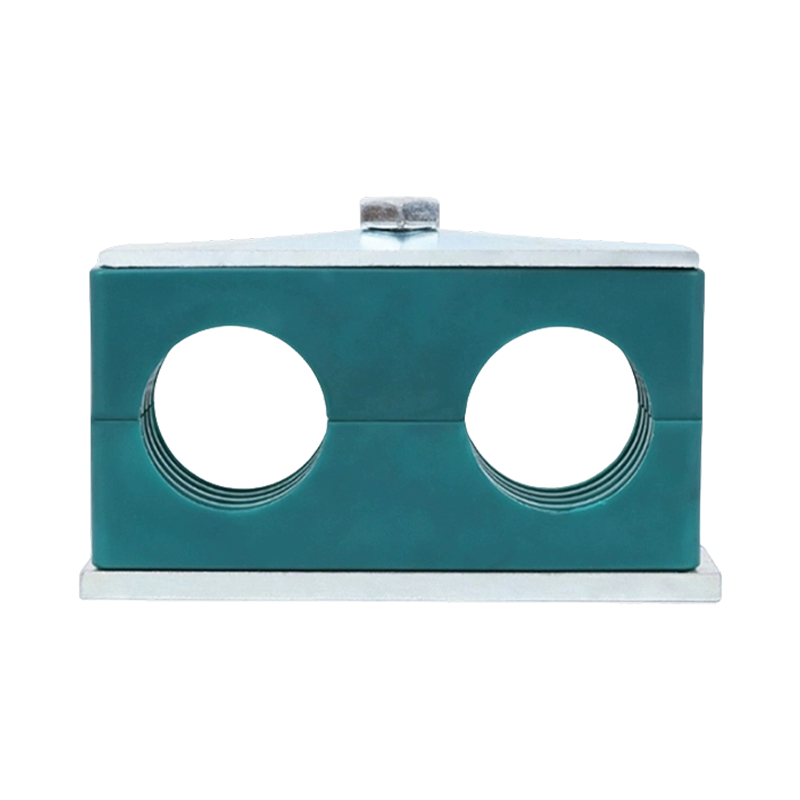
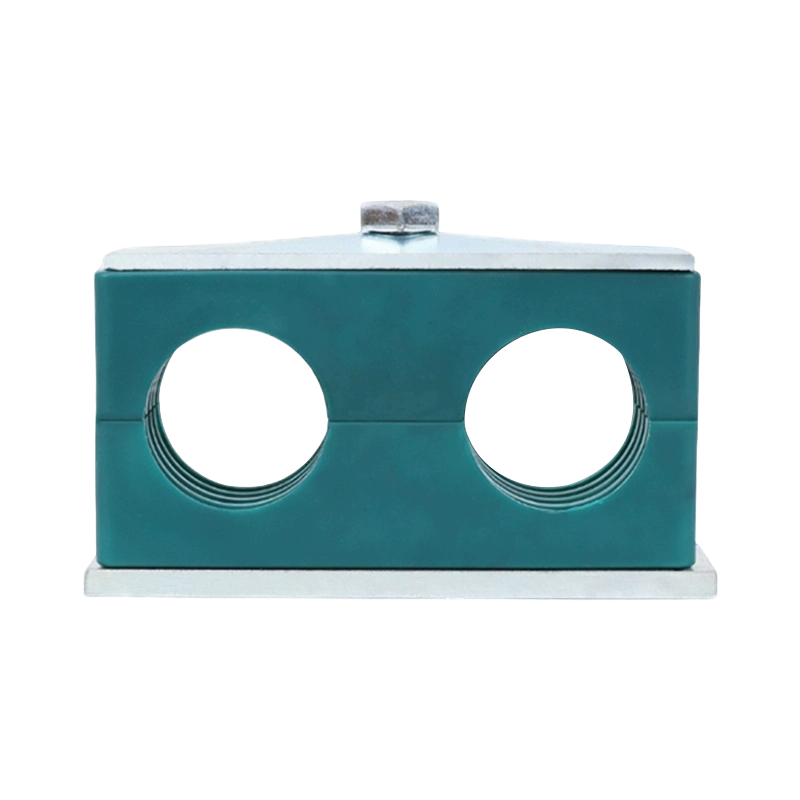
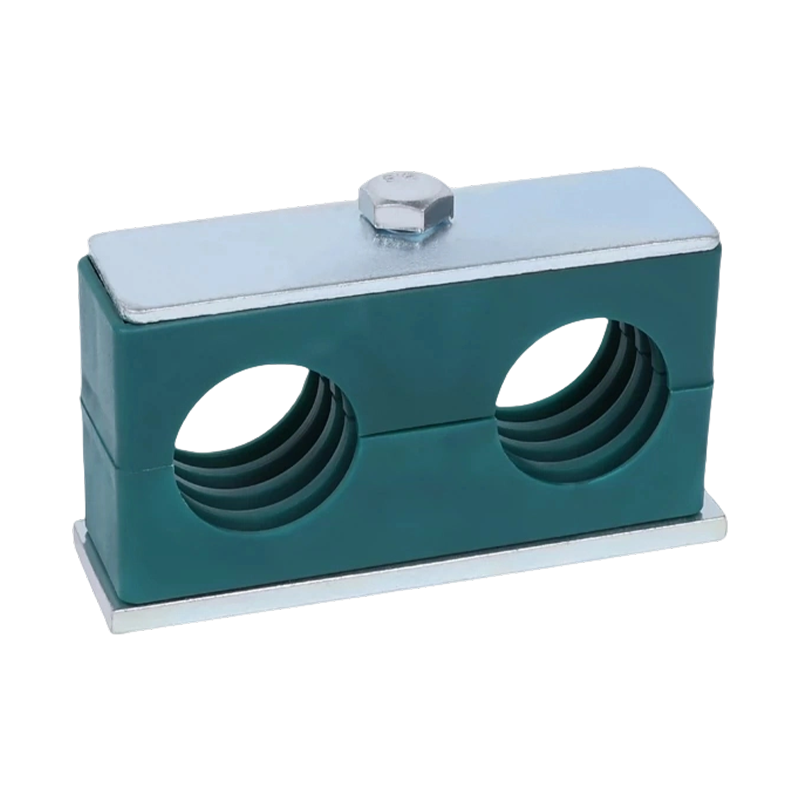
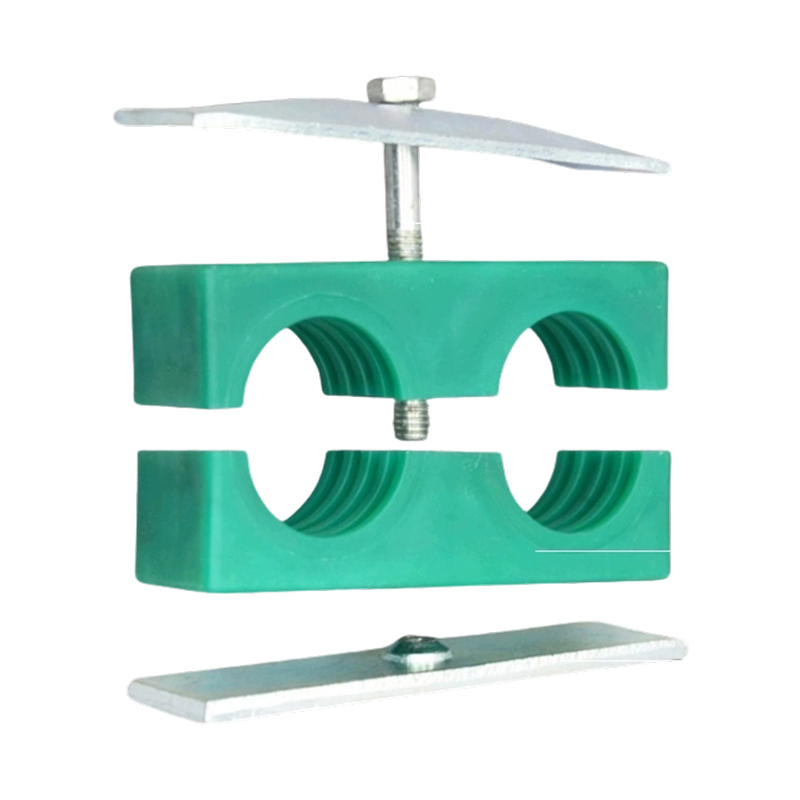
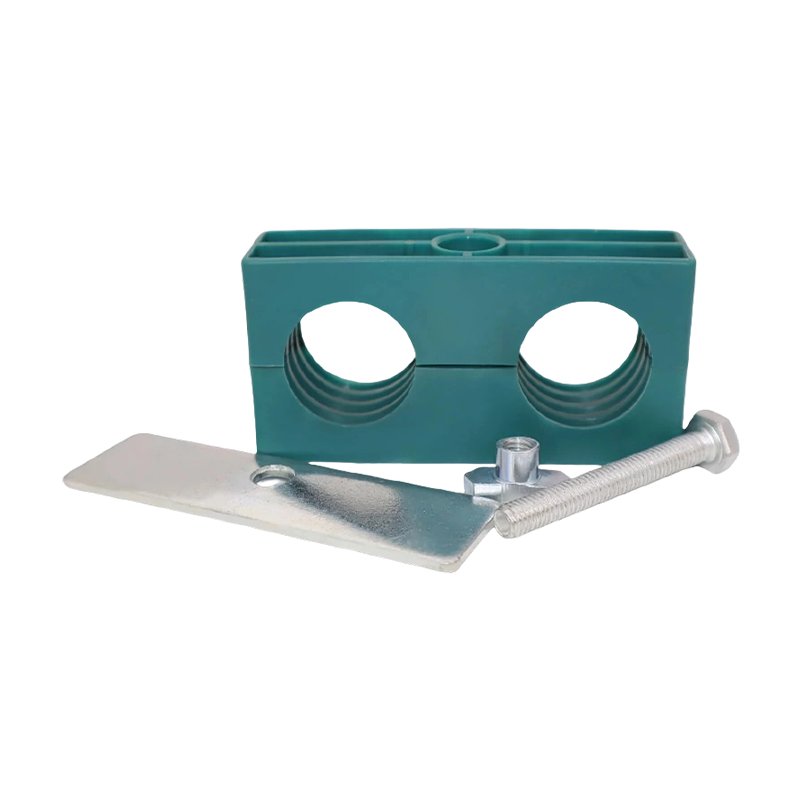
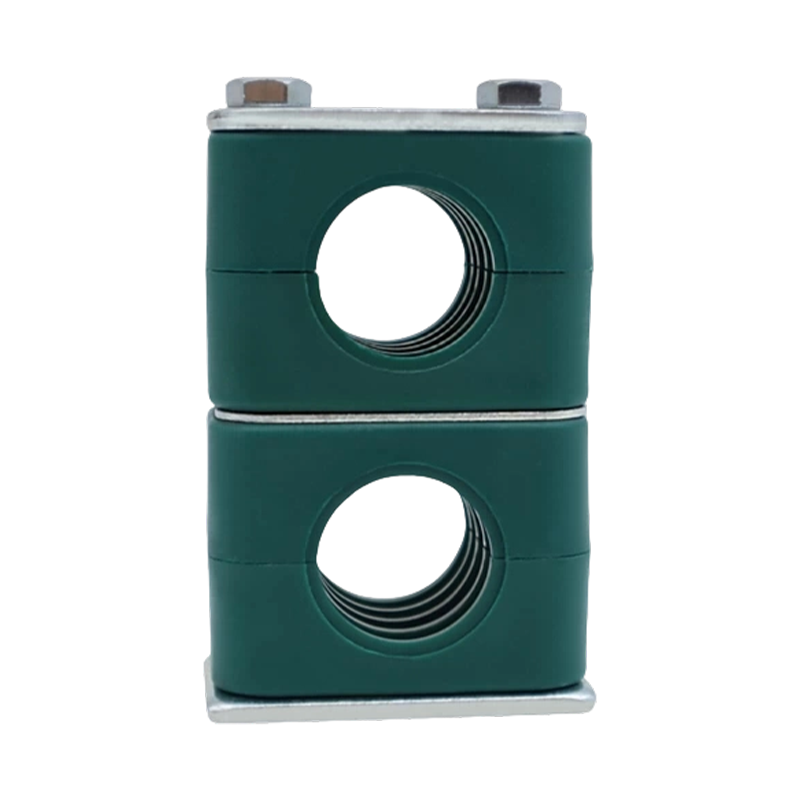
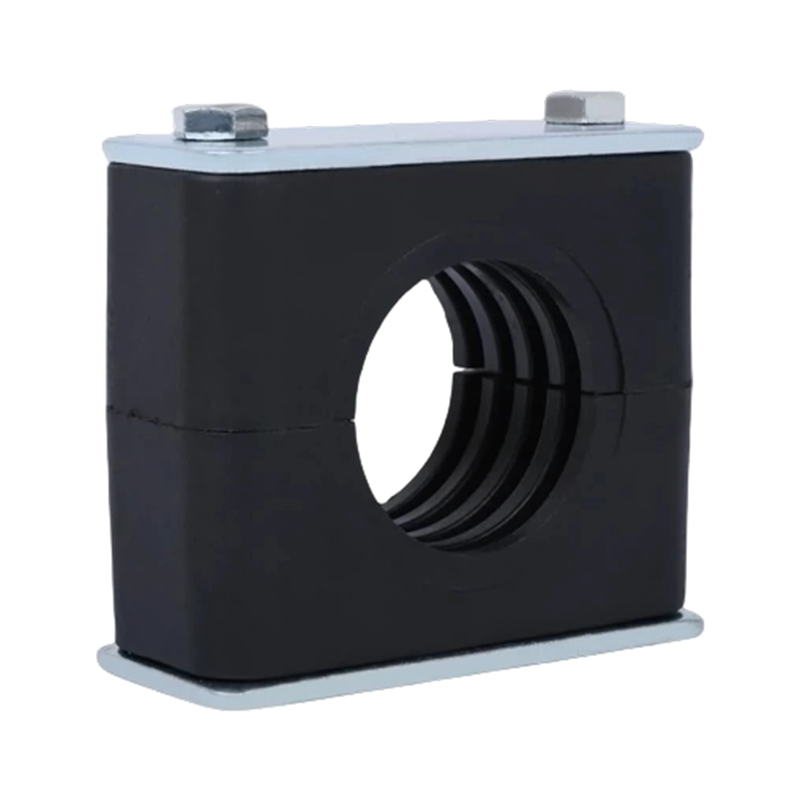
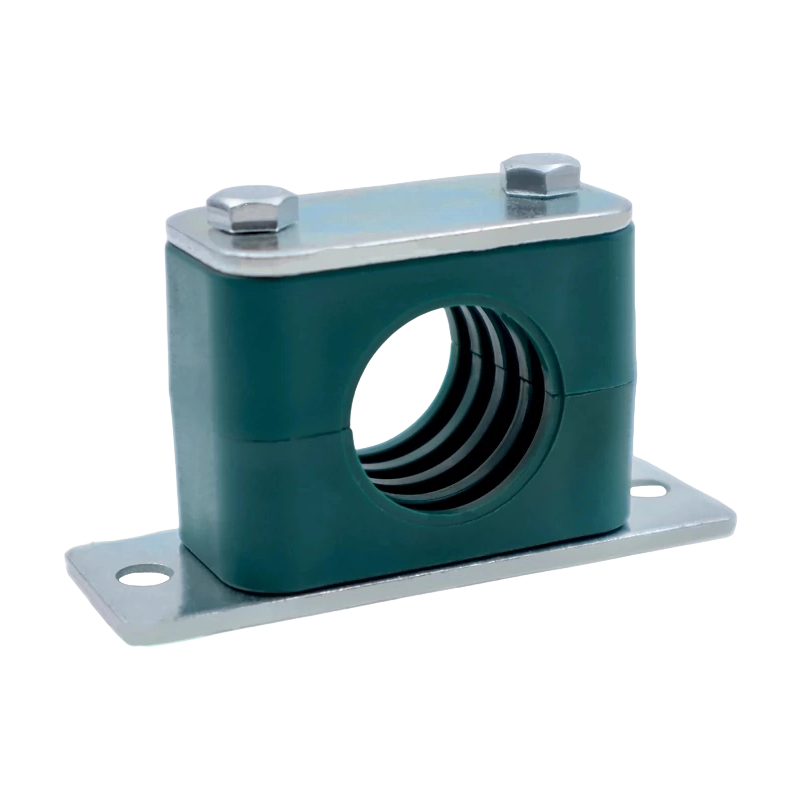
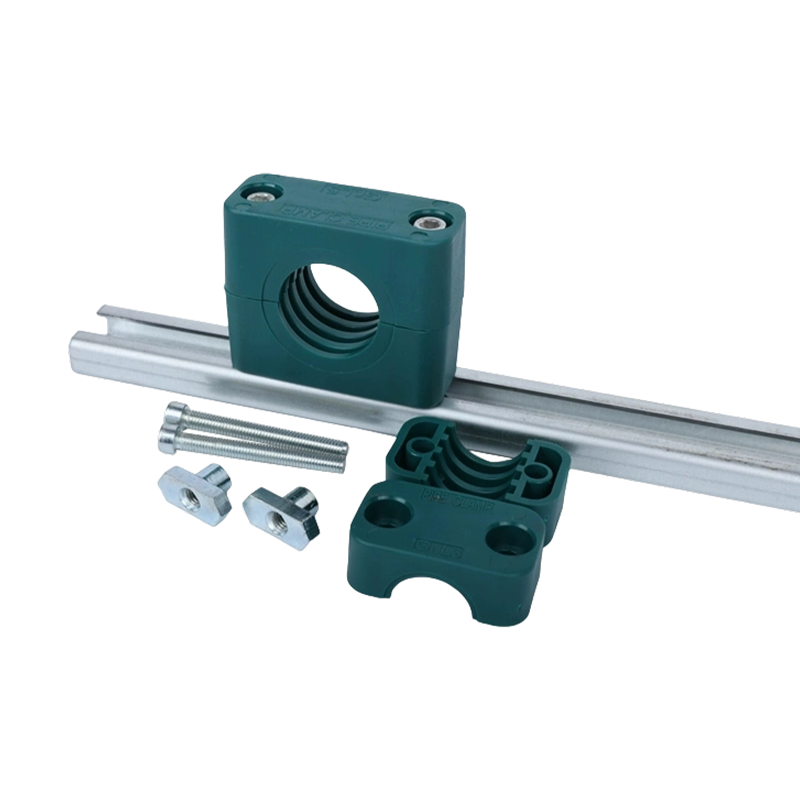
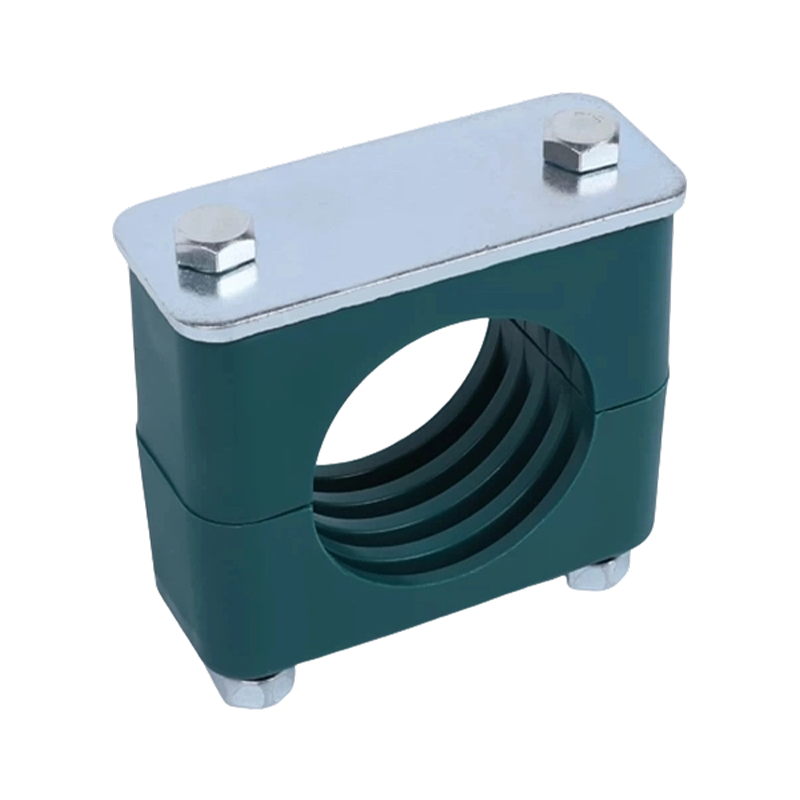
The TTPG1 Series Light-Duty Dual-Hole Plastic Pipe Clamp is specifically designed for marine hydraulic systems and light-duty pipeline fixation. It is made of high-strength nylon material with an integrated dual-hole structure, which can fix two hydraulic hoses or cables simultaneously. This product meets the strict requirements of marine environments for corrosion resistance and anti-aging properties.
Installation Instructions
1. Determine the mounting hole positions (standard spacing: 40mm)
2. Fix with M6 stainless steel bolts
3. Press the lock to install the pipeline
4. Check whether the lock is in place

Product Features
Structural Design
Performance Advantages
Core Parameters
| Parameter Category | Technical Specifications |
| Product Model | TTPG1-□□□ (the last digit indicates applicable pipe diameter) |
| Material | Reinforced Nylon PA66+GF (Marine Grade) |
| Color | Standard Gray / Black (Optional) |
| Applicable Pipe Diameter | 6-32mm (dual holes can fix pipes of different diameters) |
| Operating Temperature | -40℃~+120℃ |
| Pressure Rating | 1.6MPa |
| Certification Standard | DNV-GL Marine Certification |
Application Scenarios
1. Marine Hydraulic Systems
2. Offshore Engineering
3. Industrial Equipment
Quality Assurance
For detailed technical materials and samples, please contact us!
What Are the Main Types of Brass Ball Valves? Brass ball valves are quarter-turn shutoff devices that use a rotating ball with a bore to control fluid or gas flow. The short answer: there are six primary types — full port, standard port (reduced port), two-way, three-way, mini ball valves, and multi-turn ball valves —...
View MoreThe Direct Answer: Another Name for a Ball Valve The most widely recognized alternative name for a ball valve is the quarter-turn valve. This term comes directly from how the valve works: a 90-degree rotation of the handle is all it takes to fully open or fully close the flow path. Beyond that single label, ball valve...
View MoreThe Short Answer: How a Ball Valve Should Be Installed A ball valve should be installed with the handle or actuator in an accessible position, the flow direction aligned with the valve's design (bidirectional for most standard ball valves), proper thread sealant or gaskets applied, and all connections torqued to the m...
View More