2026-07-06
Content
A vacuum valve is a mechanical component that isolates, throttles, or directs gas flow inside a system operating below atmospheric pressure. Unlike standard process valves, a vacuum valve must seal against pressure differentials acting inward rather than outward, which changes how the seat, seal, and actuator are engineered. Choosing the correct valve type for a chamber, pump line, or gauge port directly affects pump-down time, ultimate pressure achievable, and how long the system stays leak-tight between maintenance cycles.
The short answer for most general vacuum work: gate valves handle high-conductance isolation between chambers and pumps, angle valves work well for roughing lines and smaller ports, and butterfly valves are the standard choice for throttling and pressure control. The sections below break down when each type fits, what materials hold up, how sizing and flange standards work, what installation and maintenance actually require, and where each valve family tends to fail first.
Vacuum valve is not a single product category so much as a family of mechanisms united by one requirement: holding a seal against atmospheric pressure pushing inward while allowing controlled or complete flow when needed. That single requirement branches into dozens of design variations depending on the pressure range, the gas chemistry involved, the temperature cycling the system will see, and how often the valve needs to open and close.
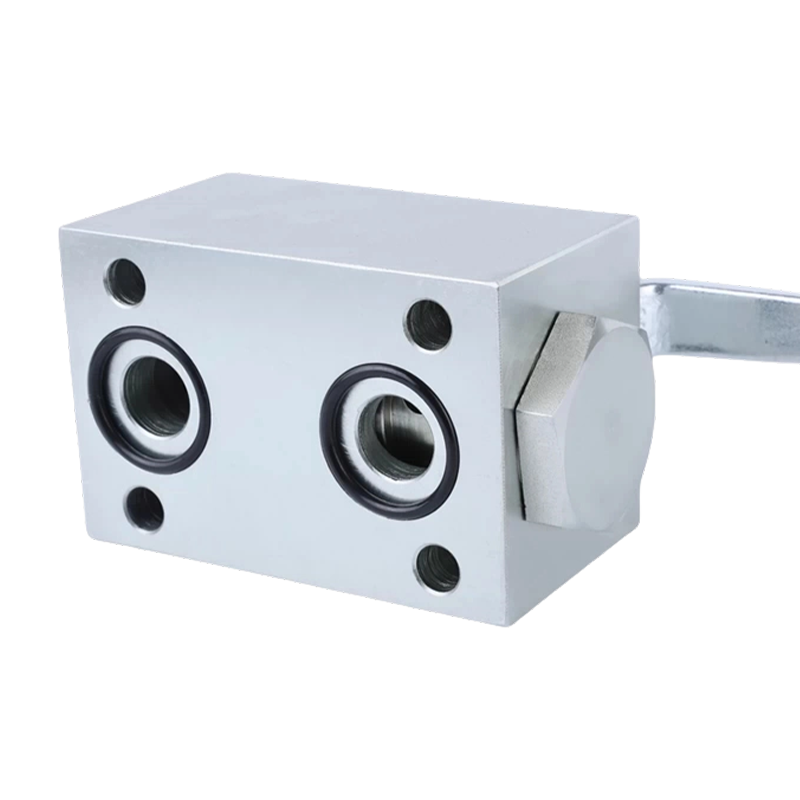
Vacuum valves are grouped by how they open and close relative to the flow path, since this determines conductance, closing speed, and footprint.
A flat gate slides perpendicular to the flow path, giving a full-bore opening with minimal obstruction. This makes gate valves the preferred choice for isolating a chamber from a turbomolecular or diffusion pump, where high conductance during pump-down is critical. Rectangular gate valves are common on large deposition and etch chambers where the port itself is not circular.
The flow path bends at roughly 90 degrees through the valve body. Angle valves take up less linear space than gate valves and are common on roughing lines, foreline connections, and smaller diagnostic ports. Because the seat sits at an angle to the main bore, conductance is somewhat lower than an equivalent gate valve of the same nominal size.
A rotating disc inside the bore can be positioned anywhere from fully closed to fully open, making this valve type suited to proportional throttling and automated pressure control loops. Butterfly valves are also compact axially, which is useful when duct space is tight.
These use a spring-loaded or pneumatically actuated poppet pressed against a seat. They are compact and fast-acting, often used for venting, small chamber isolation, or as safety and interlock valves that must close quickly on a power or air-supply failure.
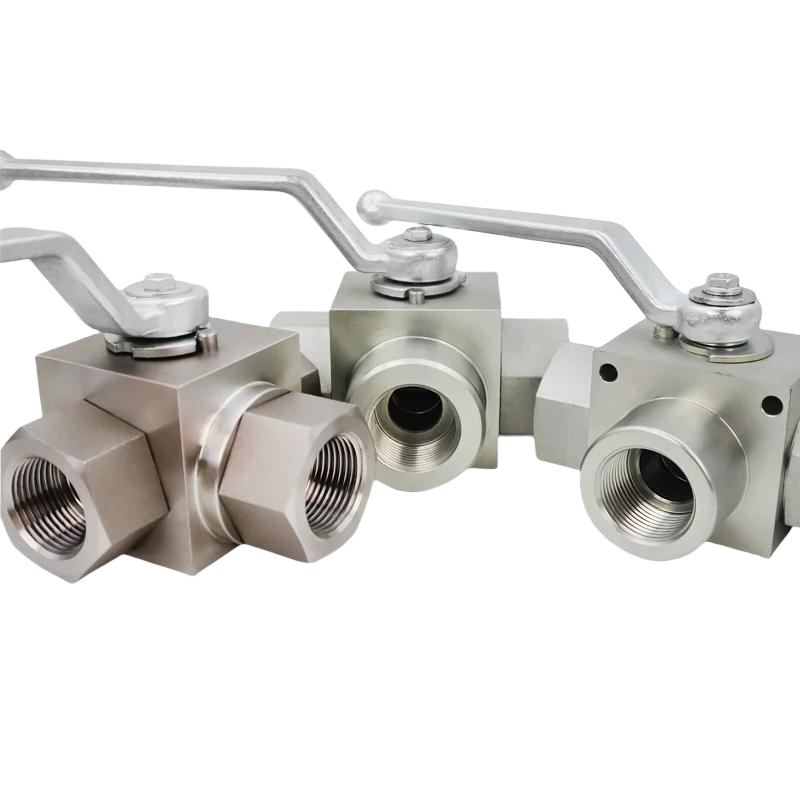
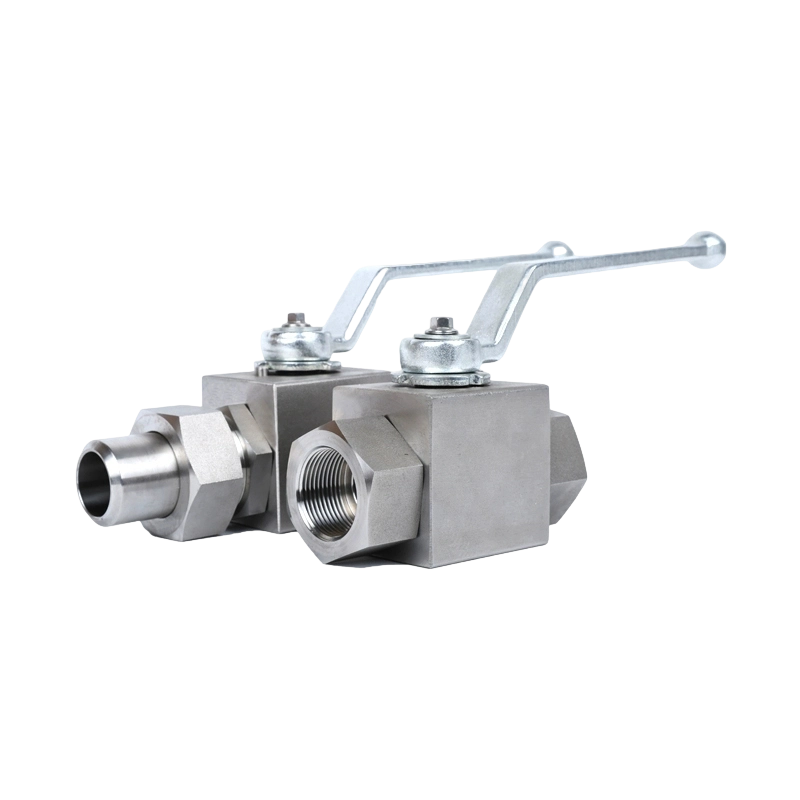
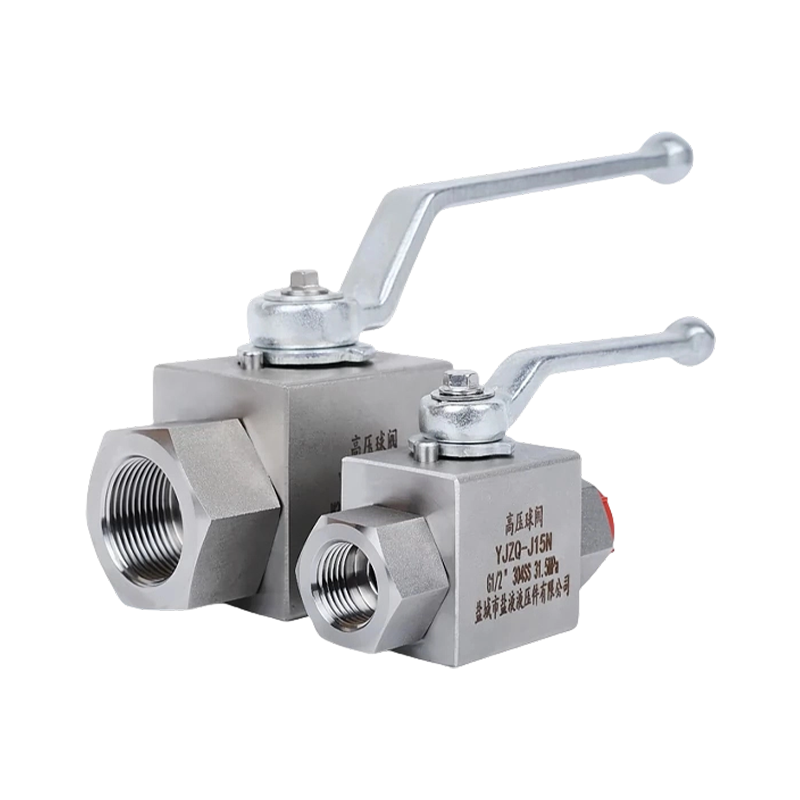
Standard industrial ball valves are occasionally adapted for rough vacuum service where cost matters more than ultimate leak tightness. They are not typically specified for high or ultra-high vacuum because the ball-to-seat interface is harder to seal reliably at low pressure.
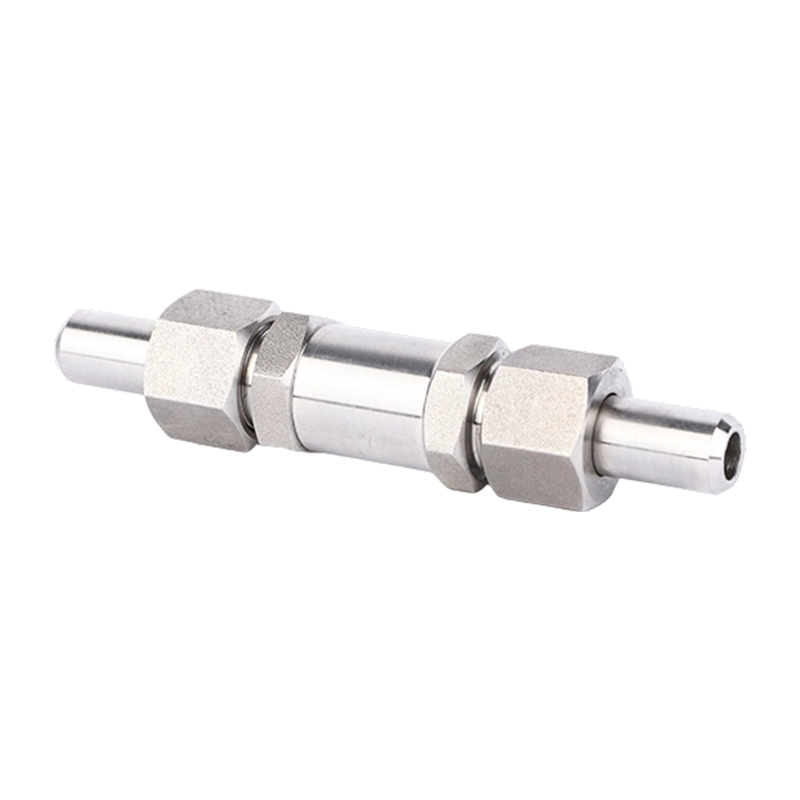
A vacuum check valve prevents backstreaming of air or process gas into a chamber if pump power is lost, protecting sensitive equipment upstream. A vacuum relief valve opens automatically if pressure rises above a set threshold, guarding against overpressure events in sealed vacuum vessels.
The table below summarizes typical use cases so the comparison above translates into a practical starting point for specification.
| Valve type | Typical position | Conductance | Actuation options |
|---|---|---|---|
| Gate valve | Chamber to pump isolation | High | Manual, pneumatic, motorized |
| Angle valve | Roughing and foreline | Medium | Manual, pneumatic |
| Butterfly valve | Pressure throttling | Adjustable | Motorized with position feedback |
| Poppet valve | Venting, small port isolation | Low to medium | Solenoid, pneumatic |
| Check valve | Backstreaming protection | Low | Passive spring-loaded |
Every vacuum valve relies on one of two sealing approaches, and the choice affects both ultimate pressure and expected service life.
For most B2B and industrial applications running in the rough to high vacuum range, roughly 1 to 1e-6 mbar, an elastomer-sealed valve with a well-specified O-ring compound is sufficient and considerably more cost-effective than a metal-sealed design. Metal seals only earn their added cost and complexity once a process genuinely requires ultra-high vacuum performance.
Stainless steel, typically 304 or 316L, is the standard body material for vacuum valves used in semiconductor, research, and pharmaceutical process lines because it resists corrosion and does not contribute particulate contamination. Aluminum bodies are lighter and less expensive, and are common in lower-cost laboratory or general industrial vacuum equipment where corrosion resistance requirements are less strict. Brass and bronze bodies still appear in some legacy rough vacuum equipment but are increasingly uncommon in new installations.
Viton, also known as FKM, is the most widely specified elastomer for vacuum service due to its low outgassing rate and resistance to a broad range of process gases. Nitrile, or NBR, costs less and performs adequately in rough vacuum applications without aggressive chemical exposure. For cryogenic or highly reactive gas service, specialized compounds such as Kalrez are used despite higher cost, because standard elastomers become brittle or degrade quickly under those conditions. Silicone is occasionally used where low-temperature flexibility matters more than chemical resistance.
Electropolished stainless steel interiors reduce the surface area available for gas adsorption, which shortens pump-down time in high vacuum systems. Nickel plating on aluminum bodies improves corrosion resistance without the weight penalty of switching to stainless steel entirely.
An undersized valve throttles the pumping speed regardless of how powerful the pump is, while an oversized valve adds unnecessary cost and can make throttling control less precise.
Actuation method affects reliability, cycle life, and integration with control systems.
Manual valves are the simplest and most reliable option for infrequent operation, such as isolating a chamber before maintenance. They have no external power dependency and fewer components that can fail, which makes them a sensible default for any port that is opened or closed only occasionally.
Pneumatic valves use compressed air to drive the gate, disc, or poppet, and are the standard choice where a control system needs to open or close the valve remotely without operator presence. Response time is typically under one second for smaller bore sizes, and normally-closed configurations are often specified for safety-critical isolation so the valve fails shut if air supply is lost.
Motorized valves add a stepper or servo motor, usually paired with a position sensor, allowing precise partial-open positions. This is essential for pressure control loops feeding back from a capacitance manometer or similar gauge, where the valve continuously adjusts to hold a setpoint. Motorized butterfly valves are the most common choice for this role because the rotating disc naturally supports proportional positioning.
Gate valves isolate process chambers from load-locks and transfer modules, often cycling thousands of times per year, which places a premium on particle-free operation and long seal life.
Large rectangular gate valves and butterfly throttle valves manage chamber isolation and pressure control during sputtering, evaporation, and other coating processes where uniform pressure is critical to film quality.
Angle and butterfly valves regulate chamber pressure during lyophilization cycles, where precise pressure control affects both product quality and cycle time.
Smaller angle and poppet valves isolate mass spectrometers, electron microscopes, and other sensitive instruments from atmosphere during sample loading and venting.
Larger bore gate and butterfly valves handle bulk material drying and packaging lines where robustness and straightforward maintenance matter more than ultra-high vacuum performance.
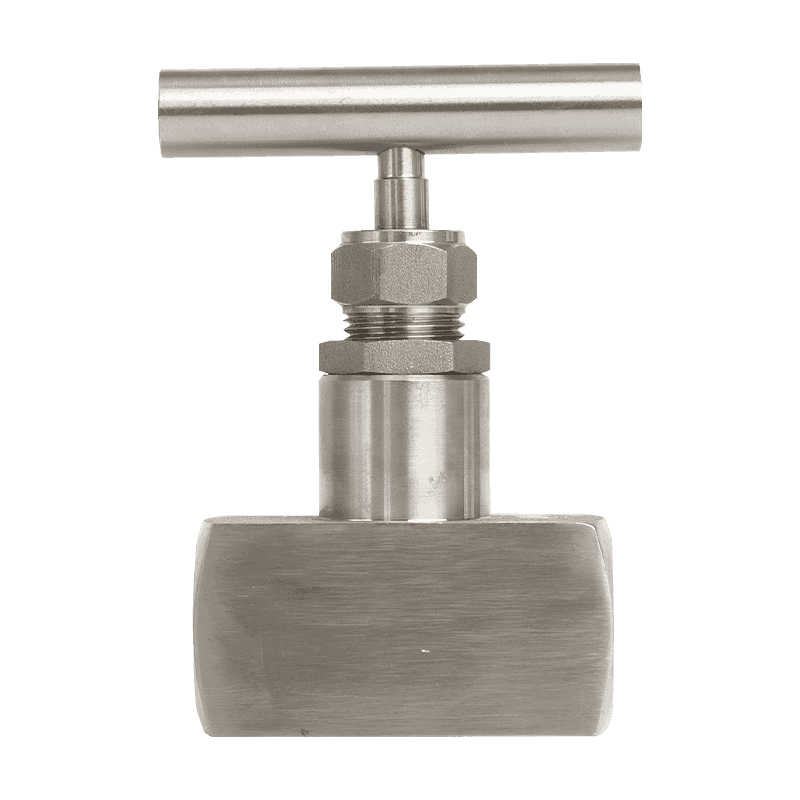
Vacuum valves are mechanically simple but still require periodic inspection, particularly around the sealing surfaces.
A gradual rise in base pressure over weeks or months, without any change in pumping equipment or process load, often points to a slowly degrading elastomer seal rather than a sudden catastrophic leak. Audible hissing at the valve body, visible cracking or hardening of an accessible O-ring, and inconsistent closing torque on a manual valve are all practical indicators that the seal or seat needs replacement.
Cycling a manual valve periodically, even when the system runs in a fixed configuration, keeps the seal from taking a permanent compression set at one position. Keeping the seat clean of particulate contamination, especially in systems handling powders or reactive byproducts, prevents scratches that create permanent leak paths. For pneumatic and motorized valves, checking actuator air supply pressure and motor position calibration on a scheduled basis catches drift before it causes a failed close.
Seal and O-ring replacement is usually straightforward and inexpensive on most valve designs, and should be treated as routine wear-part maintenance rather than a failure event. Body or seat damage from corrosion or particle scoring is a different matter, and typically justifies full valve replacement once repair cost approaches a meaningful fraction of a new unit.
| Symptom | Likely cause | First check |
|---|---|---|
| Base pressure will not drop | Degraded main seal | Inspect O-ring for cracking or debris |
| Valve will not fully close | Insufficient actuator force | Check pneumatic supply pressure |
| Slow or erratic opening | Worn guide rails or bearings | Inspect mechanical linkage for wear |
| Position feedback mismatch | Sensor drift or miscalibration | Recalibrate position sensor |
Even a correctly specified vacuum valve can underperform if installation practices are careless. A few practical points apply broadly across valve types.
Flange surfaces should be inspected for scratches or debris before final assembly, since a compromised sealing surface on the mating flange will leak regardless of how new the valve itself is. Bolts should be tightened in a cross pattern rather than sequentially around the flange, which distributes clamping force evenly and avoids distorting the seal. Cable and air line routing for pneumatic or motorized valves should avoid tight bends that could restrict actuator response over time. Finally, any valve intended for bakeout service should have its wiring, seals, and any attached sensors rated for the planned bakeout temperature before the system is closed up.
Price varies substantially by bore size, actuation type, and seal technology, and the cheapest valve on paper is not always the lowest lifetime cost option.
Manual elastomer-sealed valves are the least expensive category and remain a reasonable choice wherever infrequent cycling and moderate vacuum levels are involved. Adding pneumatic or motorized actuation increases upfront cost but reduces labor overhead in automated processes where manual operation would otherwise require constant operator attention. Metal-sealed ultra-high vacuum valves carry the highest price point of the categories discussed here, reflecting tighter machining tolerances and the added engineering required to achieve consistent bakeable performance. Buyers evaluating total cost of ownership should weigh expected seal replacement frequency, actuator maintenance, and downtime cost against the initial purchase price rather than comparing quotes on price alone.
A standard industrial valve is generally designed to hold pressure inside a pipe against atmospheric pressure outside. A vacuum valve must do the reverse, sealing against atmospheric pressure trying to push inward, which changes seat geometry, seal compression direction, and required closing force.
Most systems use a mix: a gate valve for chamber-to-pump isolation, a smaller angle or poppet valve for venting and roughing, and sometimes a butterfly valve for active pressure control. Using one valve type everywhere usually means overspending on some ports and underperforming on others.
There is no universal interval; it depends on cycle frequency, process gas chemistry, and bakeout exposure. A valve cycled daily in a semiconductor process line will need seal inspection far more often than one that stays closed for months at a time in a static isolation role.
Only if the system needs to reach the lower end of the ultra-high vacuum range, typically below 1e-9 mbar. Bakeout removes adsorbed water vapor and other contaminants from internal surfaces, and a valve that cannot tolerate the required bakeout temperature becomes the weak point of the whole system.
The most common causes are a worn or contaminated seal, a scratched sealing surface on the seat, insufficient closing force from a worn actuator, or thermal cycling that has caused the seal material to lose its original compression memory.
Requirements vary by industry and facility, so specifications should be confirmed directly with the equipment supplier and the facility's own process standards rather than assumed from general industry practice.
Seal and O-ring replacement is typically a straightforward on-site task with the correct spare parts kit. More involved repairs, such as seat resurfacing or actuator rebuilds, are often better handled by the manufacturer or a specialized service provider to preserve the original performance rating.
Lead times vary widely depending on bore size, actuation complexity, and whether the valve is a standard catalog item or a custom configuration, so this is best confirmed directly with the supplier for the specific specification in question.
Recommended Products
Copyright © Yancheng Yanye Hydraulic Parts Co., Ltd. All Rights Reserved
Custom Ball Valve Factory
China Ball Valve Manufacturers




 English
  русский
  Español