2026-04-06
Content
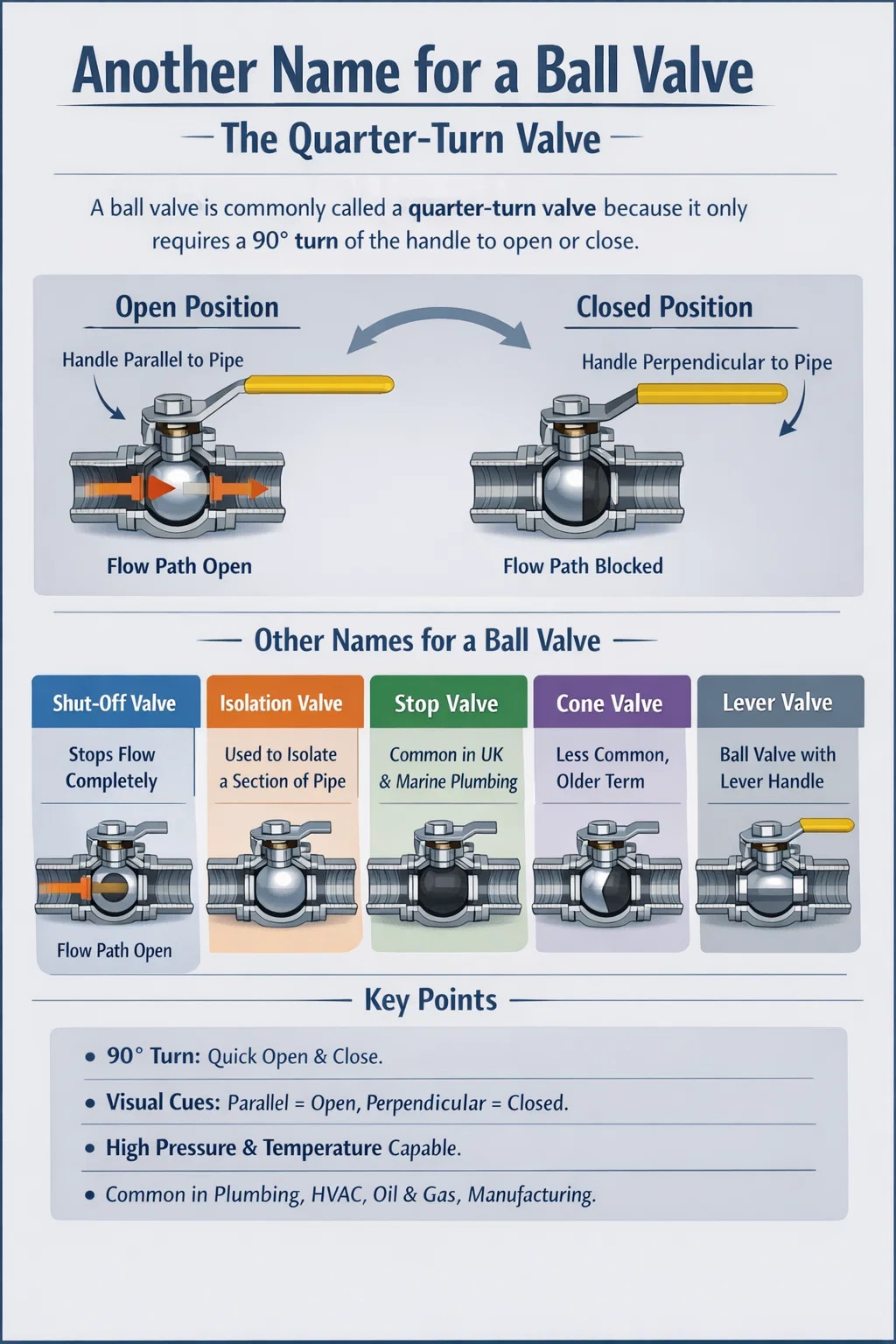
The most widely recognized alternative name for a ball valve is the quarter-turn valve. This term comes directly from how the valve works: a 90-degree rotation of the handle is all it takes to fully open or fully close the flow path. Beyond that single label, ball valves carry several other names depending on their design, industry context, or function — including shut-off valve, isolation valve, stop valve, and cone valve. Each name reflects a specific characteristic of the device, and understanding them helps you communicate accurately with suppliers, engineers, and installation crews.
A ball valve is, at its core, a flow control device that uses a hollow spherical ball with a bore through the center. When the bore aligns with the pipe, fluid passes through freely. When the ball is rotated 90 degrees, the solid side blocks the flow entirely. This mechanism is simple, durable, and fast — which is why ball valves are among the most widely used valve types across residential plumbing, HVAC, oil and gas, pharmaceutical manufacturing, and marine applications.
When someone refers to a "quarter-turn valve" in a plumbing or mechanical context, they are almost always talking about a ball valve. The name is derived from the operating principle: the handle only needs to travel through a quarter of a full circle — exactly 90 degrees — to move the valve from fully open to fully closed (or vice versa). This makes the ball valve dramatically faster to operate than multi-turn valves like gate valves or globe valves, which require several full rotations of a handwheel.
Other valve types also fall under the "quarter-turn" category, including butterfly valves and plug valves. However, in most field and trade settings, when a technician says "quarter-turn valve," they mean a ball valve specifically. The handle position also gives an instant visual cue: when it runs parallel to the pipe, the valve is open; when it sits perpendicular, the valve is closed. That level of visual clarity is one reason ball valves are preferred in emergency shutoff scenarios.
Ball valves operating on this principle can handle pressures up to 15,000 psi (1,000 bar) and temperatures reaching 750°F (400°C), depending on material and design. Their size range typically spans from 0.2 inches to 48 inches in diameter, which makes the quarter-turn ball valve one of the most versatile mechanical components in industrial infrastructure.
Different industries and trades have adopted their own terminology for ball valves based on how they are used. The following names all refer to ball valves or specific types of ball valves:
In residential plumbing and HVAC systems, ball valves are frequently called shut-off valves. This name focuses on the valve's primary function — stopping flow completely. Under sinks, behind toilets, and at water heater connections, the compact ball valve with its lever handle is the standard shut-off device in modern construction. Not all shut-off valves are ball valves (gate valves and globe valves can serve the same function), but ball-type shut-off valves now dominate new residential installations because they are faster to operate and seal more reliably after years of inactivity.
In industrial piping systems, the term "isolation valve" refers to any valve used to isolate a section of pipe for maintenance, inspection, or repair. Ball valves are the preferred choice for isolation duty because they provide a tight, bubble-tight seal and can be operated rapidly. When a maintenance engineer says "close the isolation valve on line 3," they are almost certainly referring to a ball valve. The terminology reflects the purpose rather than the internal mechanism, which is why a ball valve acting as an isolation valve may be called either name depending on the conversation.
In European plumbing standards and in marine engineering, small ball valves with lever handles are frequently called stop valves. The name is straightforward — the valve's job is to stop flow. In UK plumbing, the term "stopcock" is used interchangeably with stop valve, and many stopcocks installed in modern buildings are of the ball-type design. The terminology shift is purely regional and contextual; the underlying hardware is the same quarter-turn ball valve found anywhere else in the world.
Certain engineering references and Wikipedia list "cone valve" as an alternative name for the ball valve. This term is less common in everyday use but appears in some academic and engineering texts. It reflects an older or more descriptive classification where the spherical sealing element was seen as a type of cone-shaped closure mechanism. In practice, you are unlikely to hear a plumber or field engineer call it a cone valve, but the term is technically valid and can appear in older technical documentation.
In field maintenance and casual trade language, ball valves with lever handles are often simply called lever valves. The name comes from the most visible and tactile feature — the flat lever handle that you grip and turn. When a plumber says "turn off the lever valve under the sink," they are describing a standard brass or stainless steel ball valve. This nickname is particularly common among residential plumbers and HVAC technicians who deal with small-diameter valves daily.
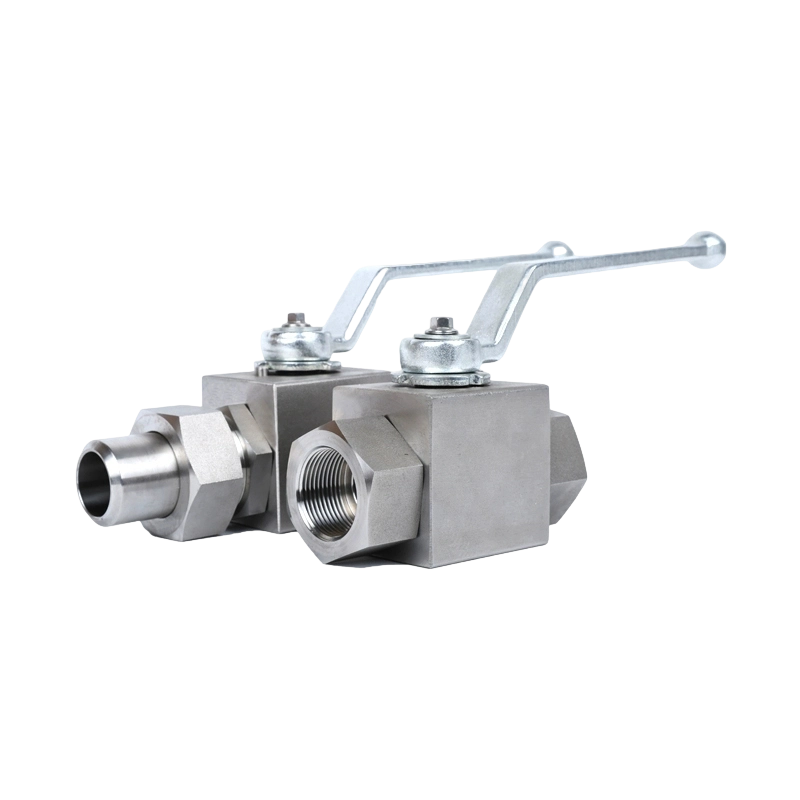
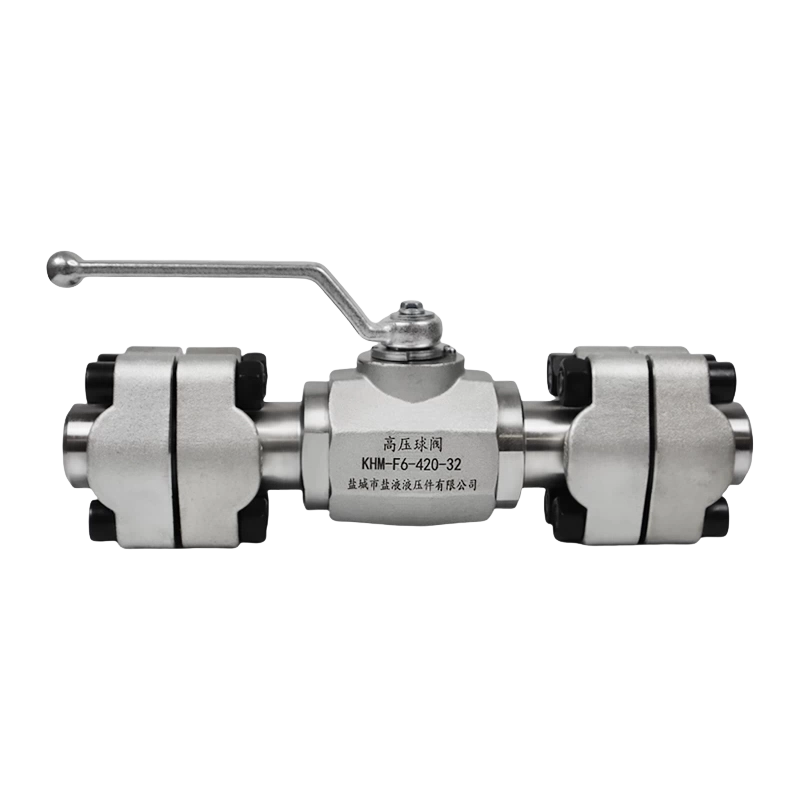
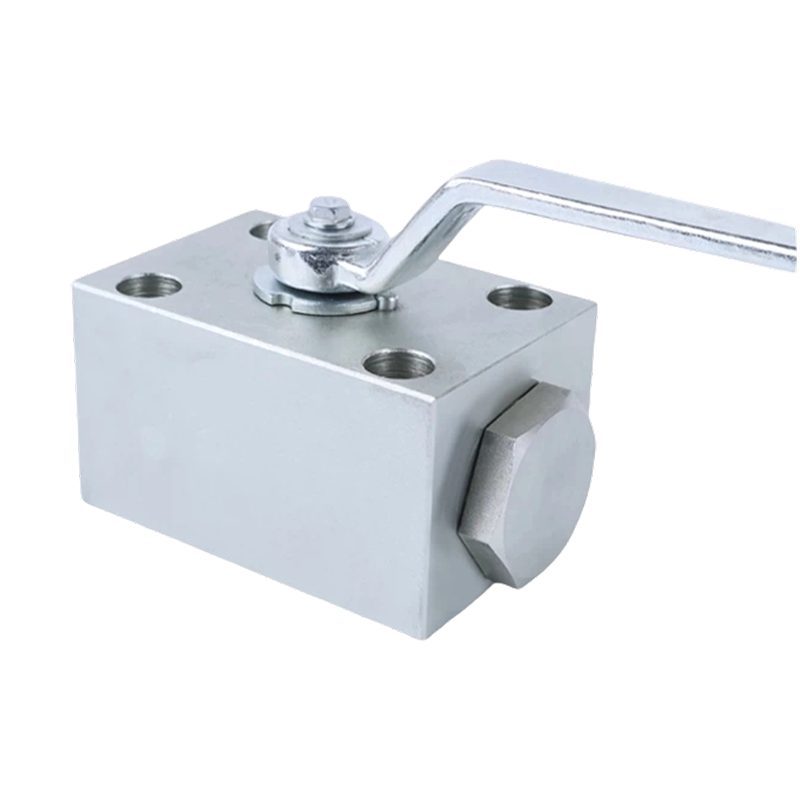
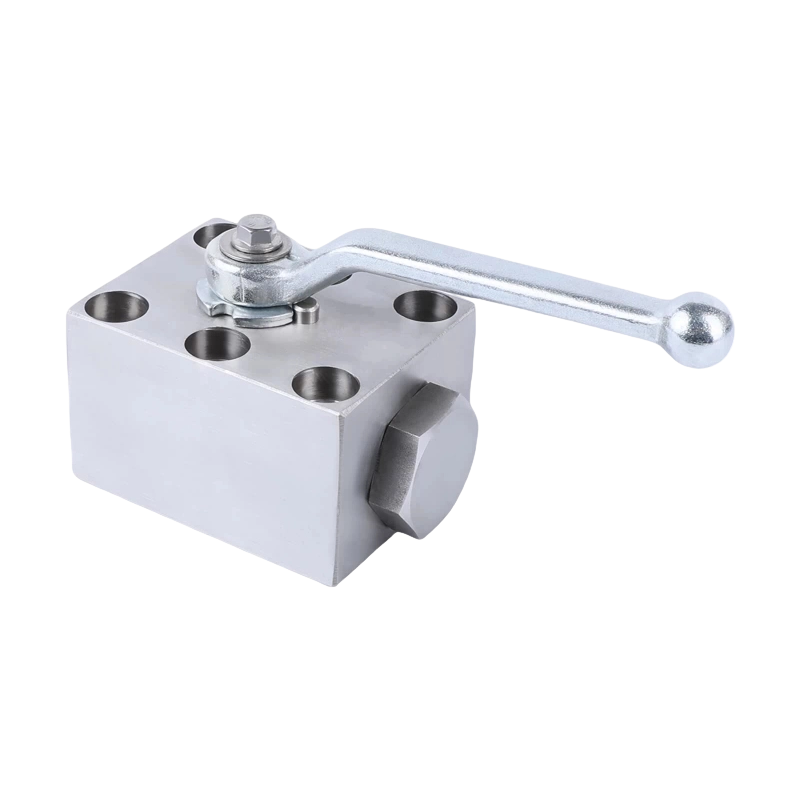
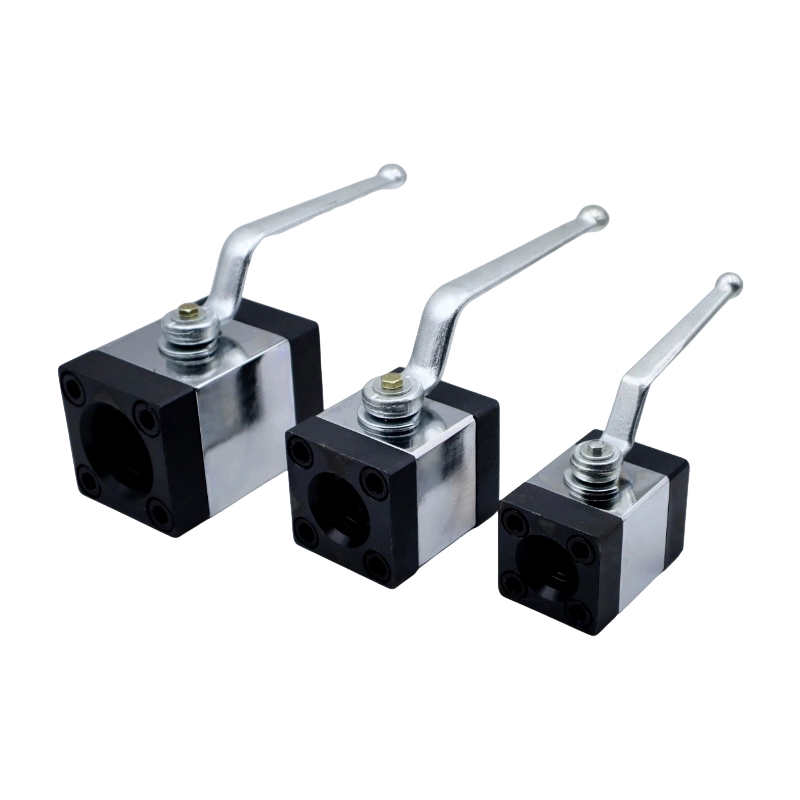
In hydraulic systems, high-pressure ball valves are often labeled as hydraulic ball valves. These are engineered specifically for working pressures commonly exceeding 3,000 psi (210 bar), with maximum ratings that can reach 7,500 psi (520 bar) or higher. The hydraulic designation signals not just pressure capability but also the specific sealing materials, porting configurations, and actuation requirements of hydraulic circuits in machinery, heavy equipment, and industrial presses.
Several design variants of the ball valve are so distinct in their construction or performance that they are referred to by their own specific names. These names are used in technical specifications, procurement documents, and engineering drawings.
| Subtype Name | Also Known As | Key Feature | Typical Application |
|---|---|---|---|
| Floating Ball Valve | Floating sphere valve | Ball attached only to stem; pressure pushes it into the seat | Low to medium pressure pipelines |
| Trunnion Ball Valve | Trunnion mounted valve | Ball anchored top and bottom; reduces operating torque | High-pressure and large-bore pipelines, oil and gas |
| Full-Port Ball Valve | Full-bore ball valve | Bore diameter matches pipe; minimal pressure drop | Fire suppression, pigging lines, slurry transport |
| Reduced-Port Ball Valve | Standard bore valve | Bore smaller than pipe; minor pressure loss, compact and affordable | Irrigation, HVAC, non-critical flow control |
| V-Port Ball Valve | V-notch ball valve | V-shaped seat allows precise throttling control | Flow regulation in process industries |
| Sanitary Ball Valve | Hygienic ball valve | Smooth, crevice-free interior with FDA-compliant seals | Food processing, dairy, pharmaceutical |
| Cavity Filler Ball Valve | Cavity-free ball valve | Extended seats prevent fluid from entering body cavity | Processes where cross-contamination must be avoided |
When engineers write specifications or procurement teams prepare purchase orders, these subtype names carry precise meaning. Ordering a "full-bore ball valve" instead of a "standard ball valve" for a pigging system can be the difference between a functional installation and an expensive rework. Each name in the table above signals a design decision that directly affects system performance, maintenance requirements, and cost.
The multiple names for a ball valve exist because different industries, trades, and regions developed their own vocabularies independently. A residential plumber, a petrochemical engineer, and a marine systems technician may all be working with essentially the same device, but each calls it by the name most common in their professional environment.
In the trades, names tend to be descriptive of what you see or touch. You turn a lever, so it is a lever valve. It shuts off the water, so it is a shut-off valve. Engineers, by contrast, tend to name valves by their internal mechanism (ball valve, plug valve, gate valve) or their operational characteristic (quarter-turn valve, rising-stem valve). Neither approach is wrong — they reflect different priorities in communication. Problems arise when someone on one side of this divide misunderstands a specification written by the other side.
In the United Kingdom and parts of Europe, the term "stopcock" is common for small lever-operated shut-off valves, most of which are ball valves. In North America, the same device is almost universally called a ball valve or shut-off valve. In Australia and some Asian markets, you may encounter "gate valve" used loosely to describe any shutoff device, including ball valves — though this is technically inaccurate since gate valves use a sliding plate mechanism rather than a rotating sphere.
Large engineering procurement documents often classify valves by function rather than mechanism. A valve assigned to isolation duty becomes an "isolation valve" in the valve list, regardless of whether it is a ball valve, gate valve, or butterfly valve. This is why on a plant engineering drawing, the same physical ball valve might be labeled "BV-101" (ball valve) in the piping and instrumentation diagram but called an "isolation valve" in the maintenance procedure for that same line.
Because ball valves share the "quarter-turn" name with butterfly valves and plug valves, it is worth understanding what separates them. Calling all three by the same name can lead to substitution errors in specifications.
Both are quarter-turn valves, but a butterfly valve uses a flat rotating disc rather than a sphere. The disc pivots on a central stem and, when turned perpendicular to flow, blocks the pipe. Butterfly valves are generally less expensive for large diameters, which is why they are common in large-bore water treatment and HVAC systems. However, ball valves provide a tighter, bubble-tight shutoff and are preferred where zero leakage is required. Butterfly valves also create more flow turbulence in the half-open position, making them less suitable for precise flow control in most applications.
A plug valve operates on the same quarter-turn principle as a ball valve but uses a cylindrical or tapered plug with a hole through it rather than a spherical ball. Plug valves tend to have higher operating torque and can be more difficult to operate in larger sizes, but they excel in certain slurry and viscous fluid applications. The two are not interchangeable even though both are quarter-turn designs. When someone says "quarter-turn valve," they mean a ball valve in the vast majority of cases — not a plug valve.
Gate valves require multiple full turns of a handwheel to open or close, making them far slower to operate than ball valves. Some suppliers and plumbers loosely refer to ball valves as "gate valves," but this is technically incorrect. Gate valves use a flat plate that slides up and down across the flow path — a completely different mechanism. The key practical difference: in an emergency, a ball valve can be shut off in under one second; a gate valve may take 10 to 20 handwheel turns. This is why ball valves have largely replaced gate valves in most new residential and commercial plumbing installations.
Ball valves are manufactured in a wide range of materials, and in some industries the material becomes part of the identifying name. Understanding these material-based names helps when specifying or sourcing the correct product.
Each of these material or design descriptors becomes part of the common name used in purchasing and specification. A procurement officer requesting a "316 stainless steel trunnion ball valve DN150 ANSI Class 600" is specifying a single product with high precision. Every term in that string carries meaning that eliminates ambiguity between potentially hundreds of available products.
Knowing the alternative names for a ball valve is practically useful when sourcing the right product. Using the correct terminology — or knowing how to decode the terminology a supplier uses — prevents mismatches, return freight costs, and installation delays.
When visiting a hardware store or plumbing supply house for a basic water line application, asking for a "quarter-turn shut-off valve" or a "lever ball valve" will reliably get you what you need. Specify the pipe size (e.g., ½ inch, ¾ inch), the connection type (push-fit, threaded, compression), and the material (brass for most water supply work). In this context, all three terms — ball valve, quarter-turn valve, and shut-off valve — will be understood by any experienced counter person as the same product.
In industrial procurement, precision matters enormously. Start with the valve type (ball valve), then add the design subtype (floating or trunnion), port configuration (full-bore or reduced-bore), pressure class (ANSI Class 150, 300, 600, etc.), material grade (carbon steel, 316 SS, duplex), and end connections (flanged, butt-weld, socket weld). Omitting any of these from a specification for a critical service valve can result in receiving a product that is technically a ball valve but entirely wrong for the application.
If the service involves food products, pharmaceuticals, or corrosive chemicals, always specify "sanitary ball valve" or "hygienic ball valve" and reference the relevant standard (3-A, FDA, EHEDG). Stainless steel ball valves designed for general industrial service may not meet the surface finish requirements — typically Ra ≤ 0.8 µm for product contact surfaces — needed in hygienic applications, even if they appear similar from the outside. The name signals that additional design requirements beyond basic flow control are in play.
The following points summarize essential technical and practical facts about ball valves that are useful regardless of what name you use to describe them:
Recommended Products
Copyright © Yancheng Yanye Hydraulic Parts Co., Ltd. All Rights Reserved
Custom Ball Valve Factory
China Ball Valve Manufacturers




 English
  русский
  Español