

 English
  русский
  Español



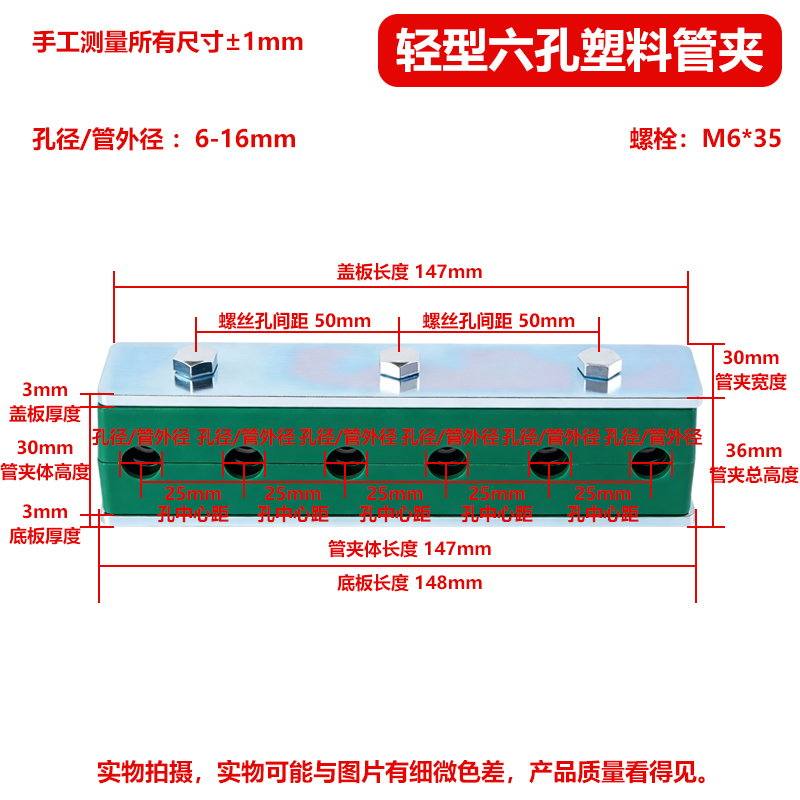
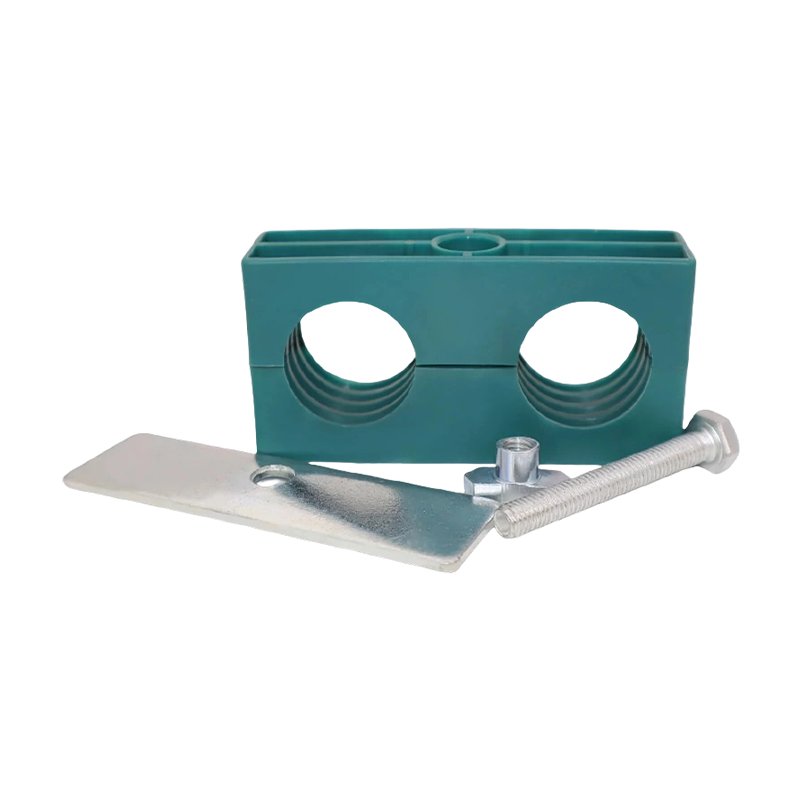
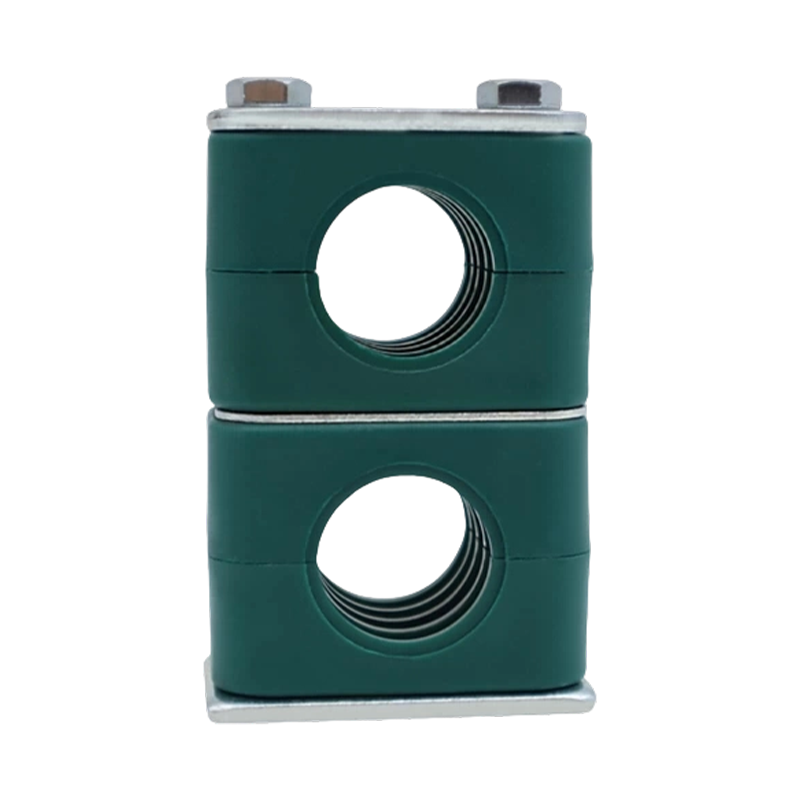
Six-hole Hydraulic Light Duty Multi-hole Plastic Pipe Clamp for Oil Tube DIN 3015 Standard
Six-hole Hydraulic Light Duty Multi-hole Plastic Pipe Clamp for Oil Tube DIN 3015 Standard
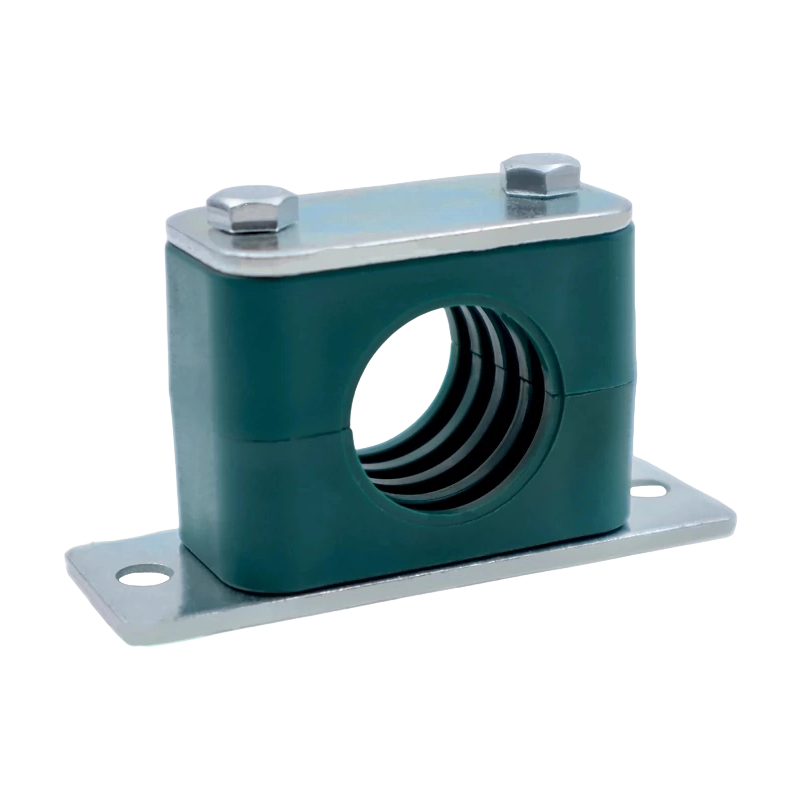
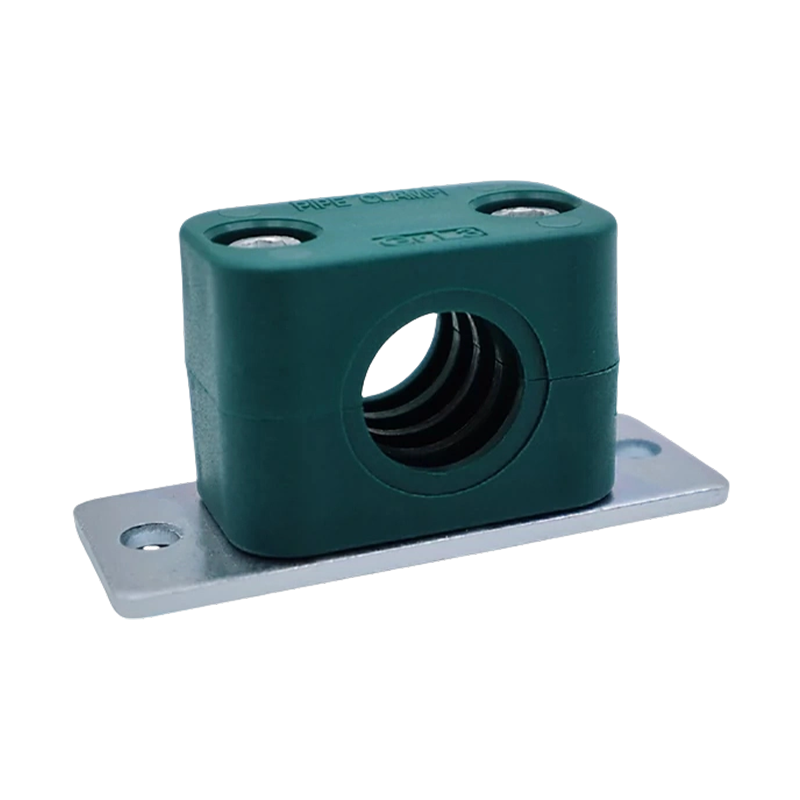
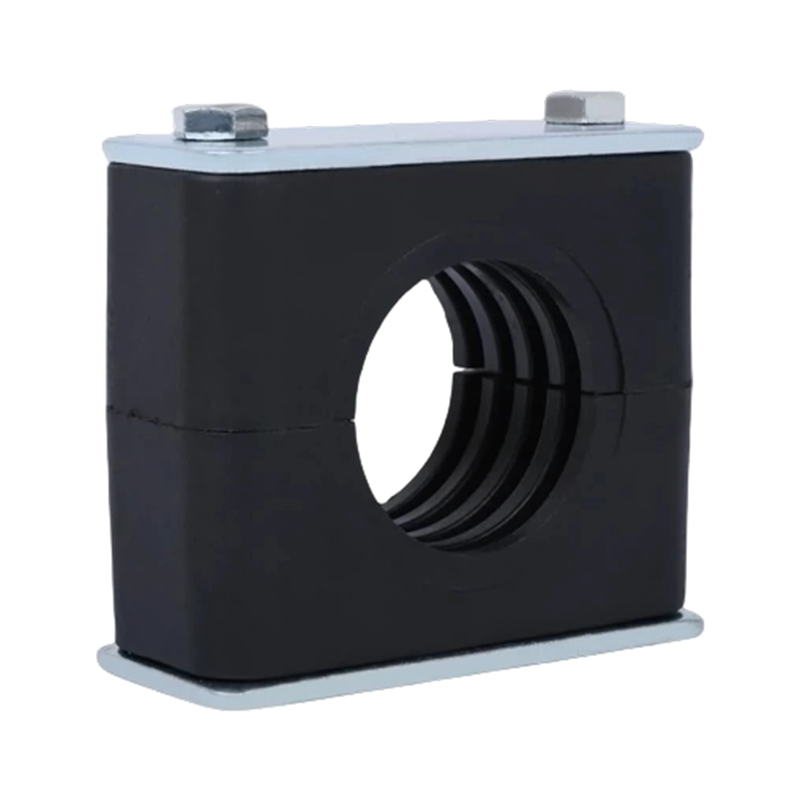
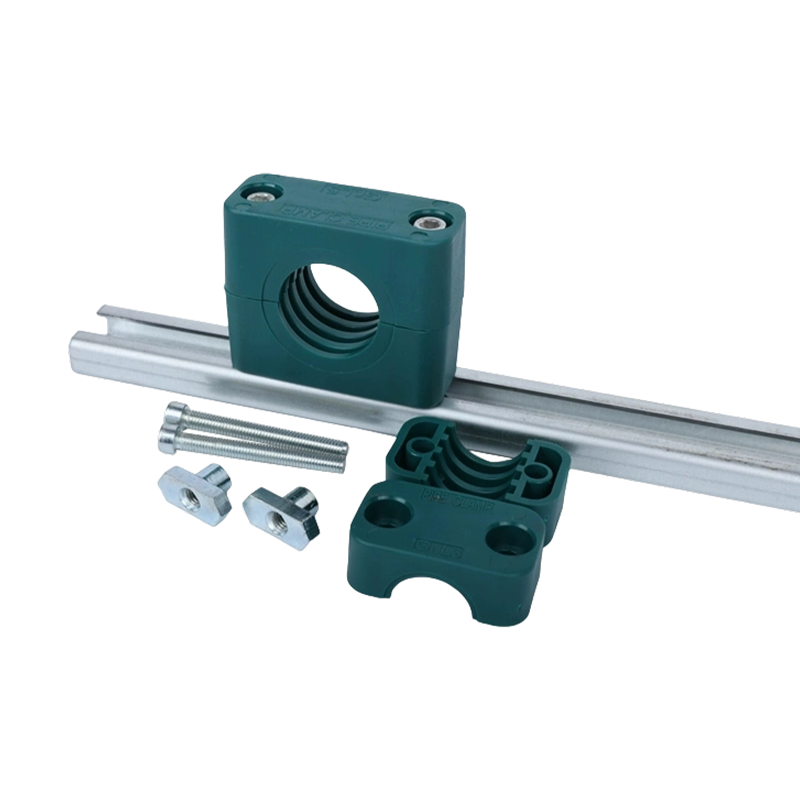
This Six-hole Hydraulic Light Duty Multi-hole Plastic Pipe Clamp is engineered to securely fasten and organize multiple oil tubes or hoses in industrial hydraulic systems, adhering to the DIN 3015 standard for reliability and compatibility. Designed for lightweight applications, it features a compact, modular design that optimizes space utilization while maintaining robust clamping performance.
Key Features:
-
DIN 3015 Compliance:
-
Strictly follows the German industrial standard DIN 3015, ensuring compatibility with a wide range of industrial and mobile hydraulic systems .
-
Suitable for oil tubes with outer diameters ranging from 6 mm to 25.4 mm (1/4" to 1"), accommodating diverse pipeline configurations .
-
-
Lightweight & Compact Design:
-
Constructed from high-performance flame-retardant polyamide (PA-V0) or polypropylene (PP), offering excellent chemical resistance, UV stability, and durability in harsh environments .
-
The multi-hole design reduces component count by up to 30% compared to single-line clamps, lowering installation time and system weight .
-
-
Enhanced Safety & Functionality:
-
Equipped with V4A stainless steel fasteners (material code W5) for corrosion resistance in marine or offshore applications .
-
Integrated anti-corrosion elastic strips prevent electrolytic corrosion on stainless steel pipes, critical for offshore oil and gas operations .
-
Maintains secure pipe positioning even under extreme conditions, with a metal cage structure providing fire resistance (plastic body may burn but retains structural integrity) .
-
-
Versatile Applications:
-
Ideal for oil and gas pipelines, hydraulic systems, machinery, and transport infrastructure where vibration damping and noise reduction are essential .
-
Supports parallel pipe layouts, simplifying maintenance and system expansions .
-
-
Technical Specifications:
-
Temperature Range: -25°C to +80°C, suitable for continuous operation in fluctuating environments .
-
Clamping Force: Adjustable via metric ISO or UNC-threaded bolts, ensuring secure fixation under hydraulic pressure .
-
This clamp combines lightweight engineering, fire safety, and long-term corrosion resistance, making it a cost-effective solution for demanding industrial and maritime applications. For customized configurations (e.g., mixed diameter support), tailored solutions are available upon request .
Note: Ensure proper alignment and torque tightening per DIN 3015 guidelines to maximize performance and longevity.