


 English
  русский
  Español

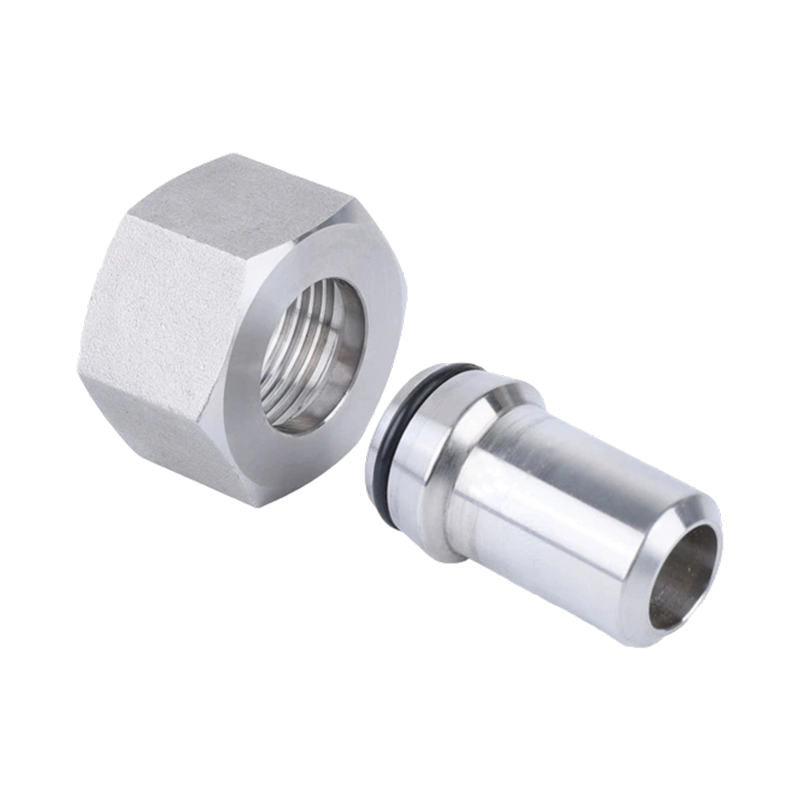
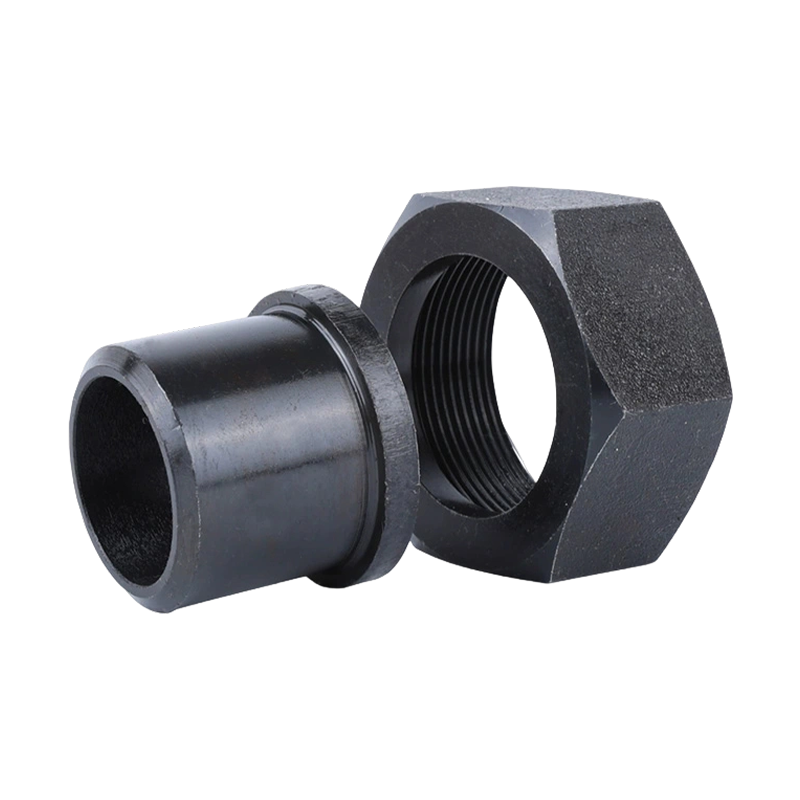
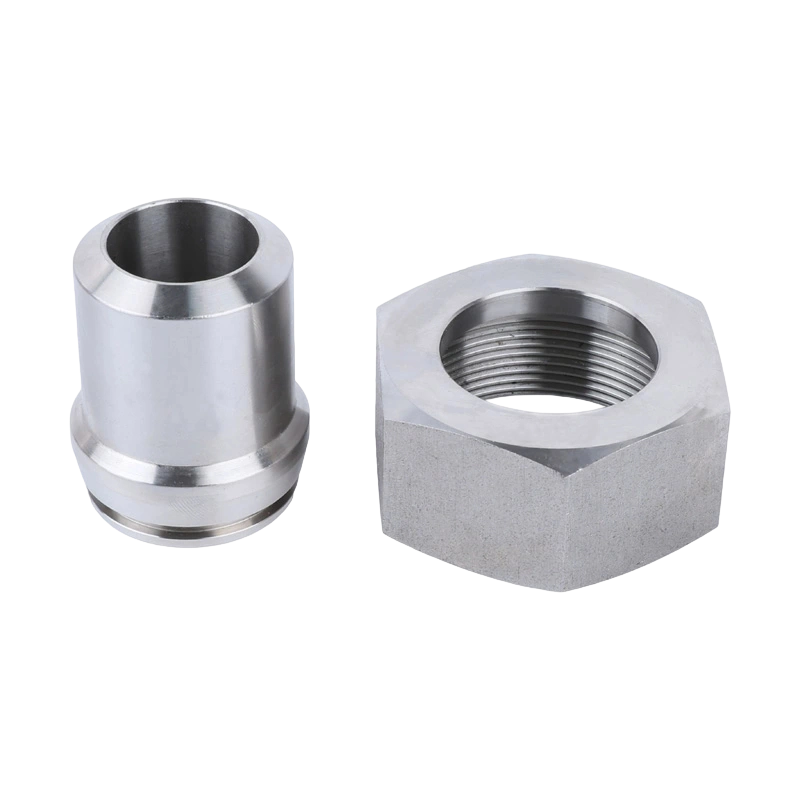
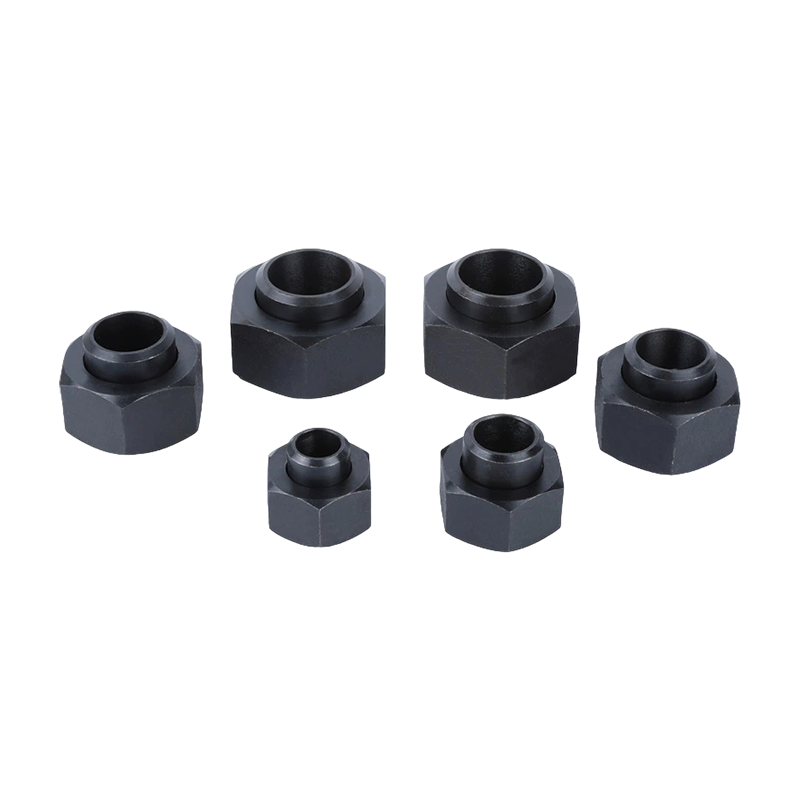
KHB-YJZQ Series Welded Pipe Nuts, Carbon Steel/Stainless Steel Welding Nuts, Butt Weld/Socket Weld Pipe Fittings
Special Connector for High-Pressure Valves · Double Processes of Butt Welding / Socket Welding
 HOME / PRODUCTS / Valve Switching and Accessories Series / KHB-YJZQ Series Welded Pipe Nuts, Carbon Steel/Stainless Steel Welding Nuts, Butt Weld/Socket Weld Pipe Fittings
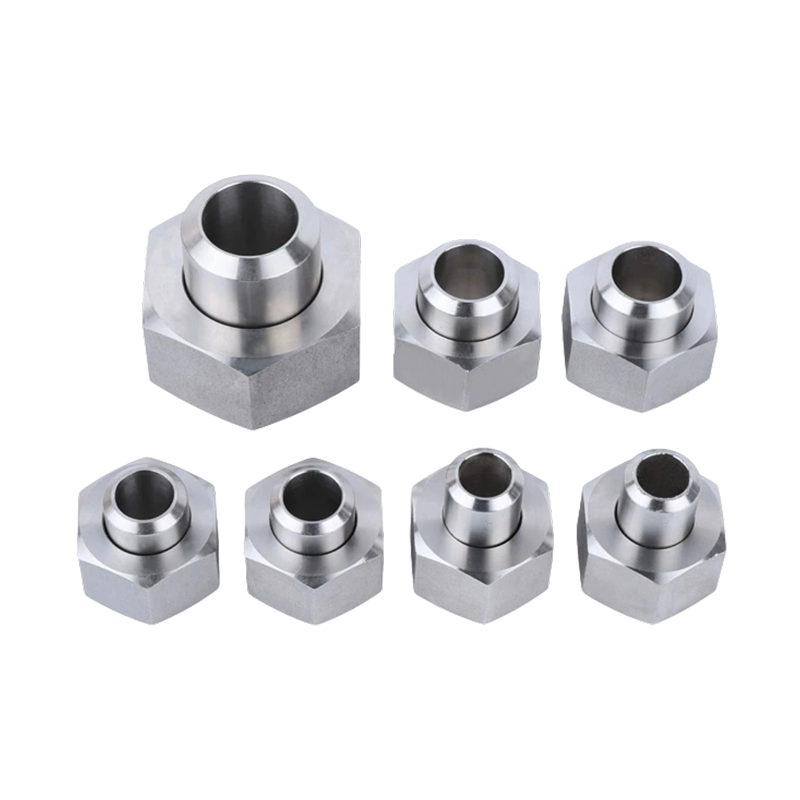
Product Overview
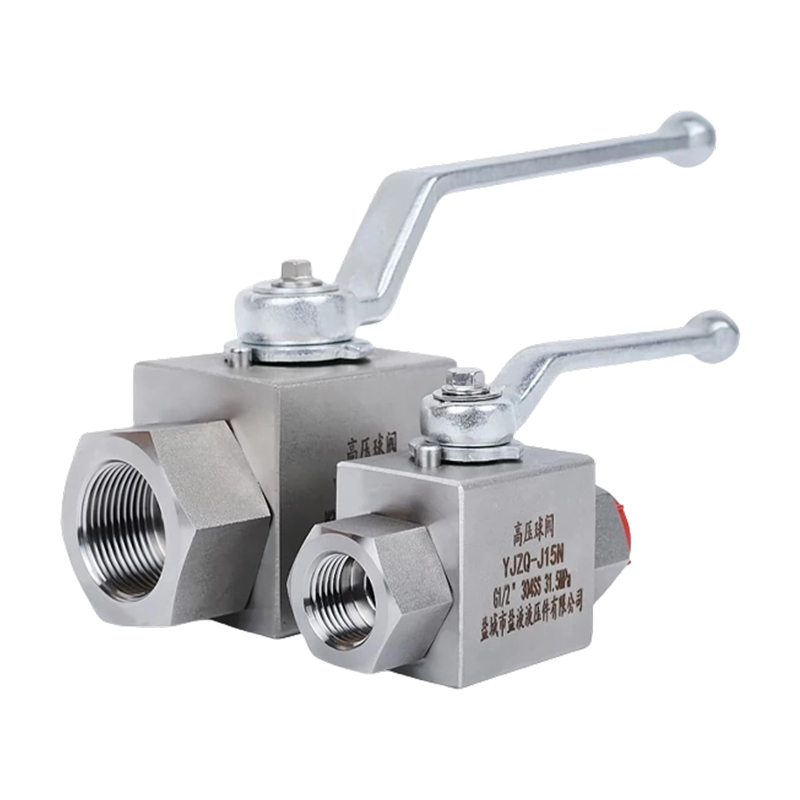
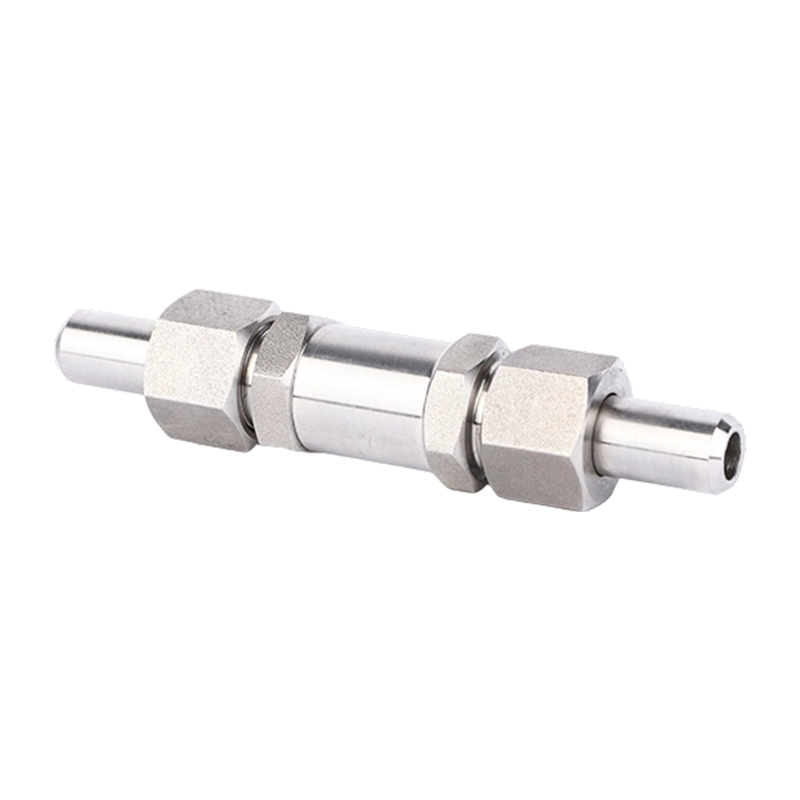
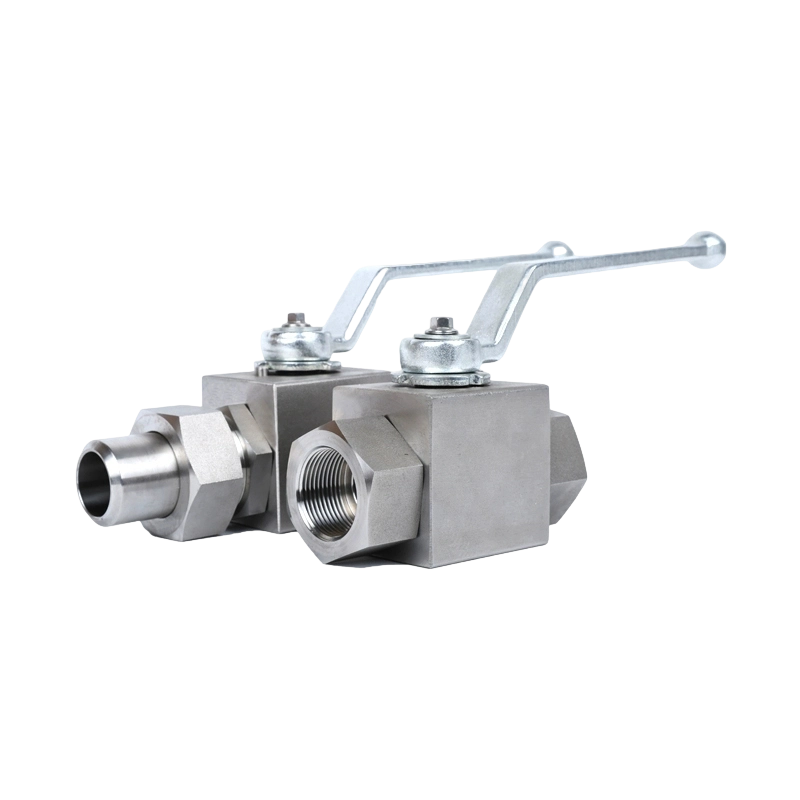
KHB-YJZQ Series Welded Pipe Nut is a core connecting accessory specially designed for high-pressure valves and pipeline systems. Manufactured from high-quality carbon steel or stainless steel, the product supports two connection methods: Butt Welding (BW) and Socket Welding (SW), ensuring a permanent and reliable sealed connection between the valve and the pipeline. It is suitable for high-pressure, high-vibration and harsh working conditions.
Technical Parameters
| Parameter | Specification |
| Material | Carbon Steel, 304 Stainless Steel, 316L Stainless Steel |
| Pressure Rating | 31.5MPa (consistent with matching valve) |
| Welding Method | Butt Welding (BW), Socket Welding (SW) |
| Sealing Form | 24° Taper Seal, Ferrule Seal |
| Applicable Standard | Metric Thread, NPT Thread, etc. |
Application Scenarios
Selection Guide
1. According to the Valve Model: Provide the specific valve model to match the corresponding pipe nut
2. Select Material by Medium: Stainless Steel (304/316L) is a must for corrosive environments
3. Select Welding Method by Working Condition: Butt Welding: For ultra-high pressure, large-diameter pipelines, requiring smooth flow channels
4. Socket Welding: For general high-pressure systems, with convenient installation
Core Advantages
| Advantage | Description |
| High-Strength Connection | Precise matching with valve interface, pressure-bearing capacity up to 31.5MPa and above |
| Dual Welding Processes | Butt Welding (smooth flow channel) / Socket Welding (easy installation), adapting to different needs |
| Flexible Material Options | Carbon Steel (economical and durable), 304/316L Stainless Steel (corrosion-resistant) |
| Zero Leakage Guarantee | Precision-machined sealing cone surface, forming a metal hard seal |
Quality Commitment
Need precise matching? Please provide your valve model or interface drawing, and we will recommend the most suitable pipe nut accessory for you! [Technical Consultation] [Download Drawing] [Apply for Sample]
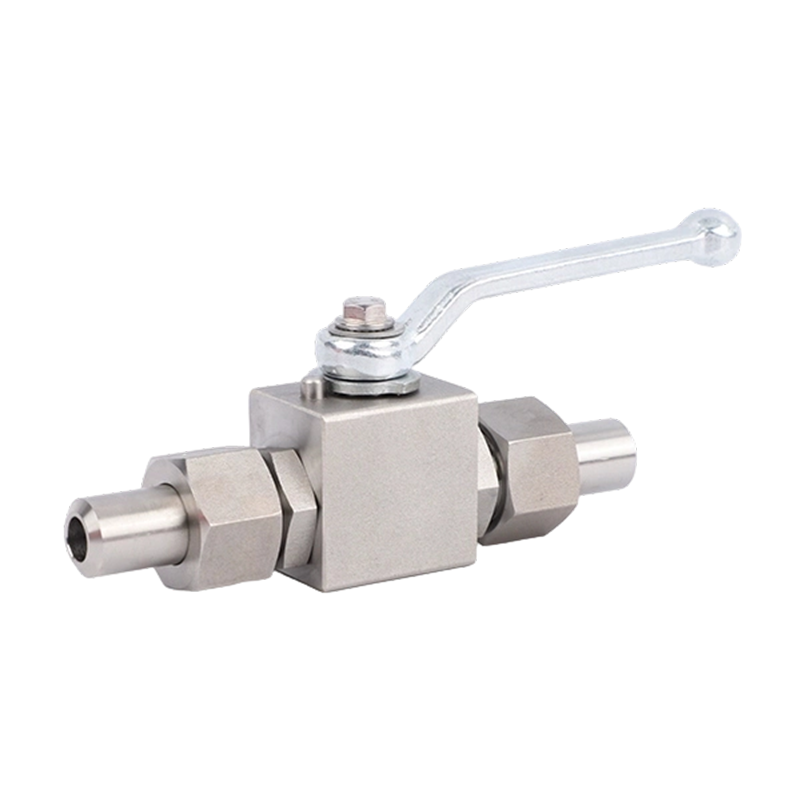
A petrochemical facility in the Gulf region had to dispatch two operators per shift to manually throttle six high-pressure letdown valves. Each adjustment took roughly four minutes, and the downstream pressure drifted by up to 12 percent between corrections. After retrofitting those valves with pneumatic actuators and...
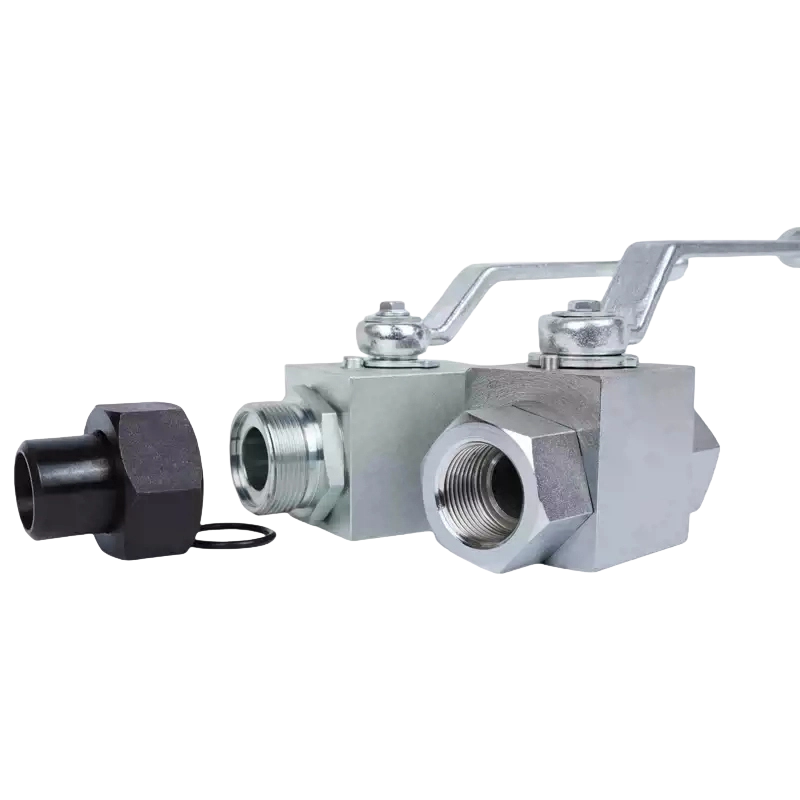
View MoreA pneumatic actuated ball valve is the most cost-effective way to automate on-off control in industrial fluid lines that already have a compressed-air supply. It is simply a quarter-turn ball valve driven by a pneumatic actuator that rotates the ball 90 degrees to open or close the line. The three decisions that deter...
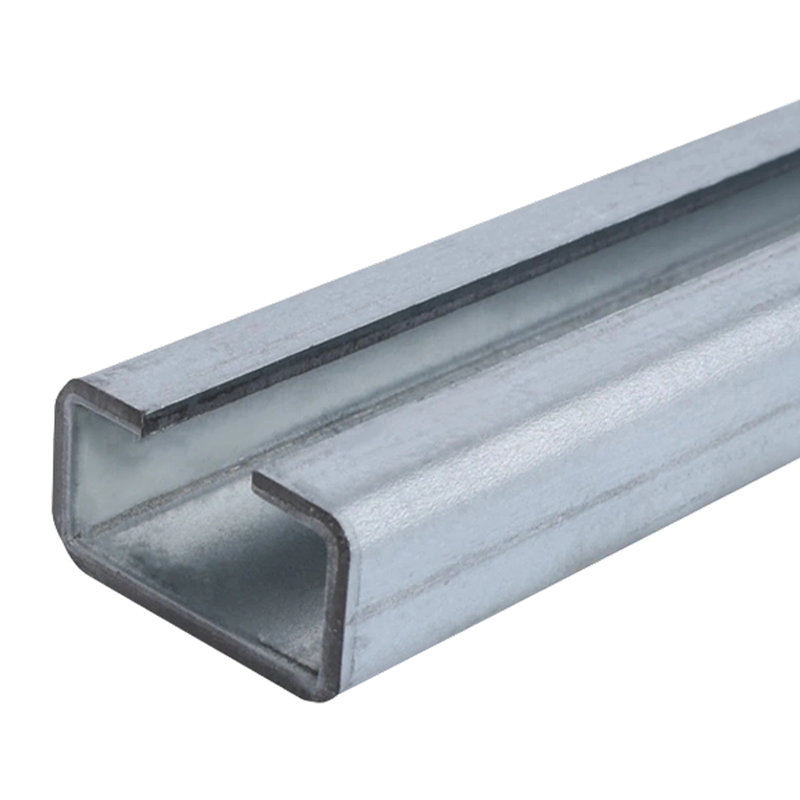
View MoreThe straightforward answer is that most two-way ball valves are bidirectional, but flow direction still matters for three-way valves, unidirectional seat designs, and high-pressure applications where reverse flow can damage the sealing elements. This article explains exactly when flow direction is critical, how to ide...
View More
Copyright © Yancheng Yanye Hydraulic Parts Co., Ltd. All Rights Reserved